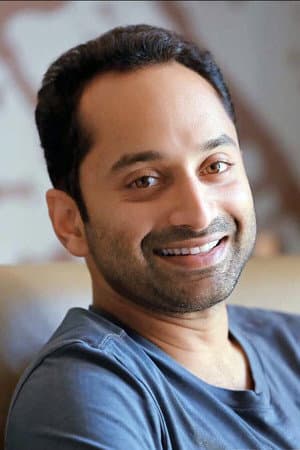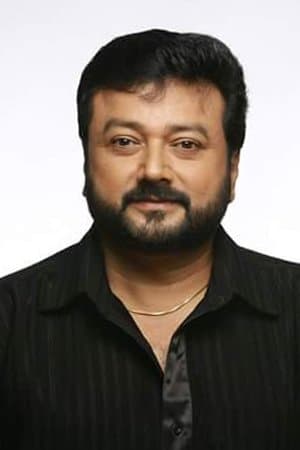
Jayaram Subramaniam, known on screen simply as Jayaram, was born in 1965 and has worked for decades as a performer. He is best known for Malayalam-language cinema, the industry centred in Kerala, and he has appeared in Tamil films at intervals across that career. The two languages sit in neighbouring southern Indian states, and performers have long moved between them. For a reader outside the region, that movement is the key to his reputation: he is a leading name in one industry and a familiar, versatile presence in another. The Government of India recognised his contribution to the arts with the Padma Shri, one of the country's civilian honours, in 2011.
His background helps explain the range. He came to films with a grounding in mimicry and in the chenda, a cylindrical percussion drum central to Kerala's temple and performance traditions. That training in rhythm and imitation shows in how he handles dialogue and timing. Tamil cinema has used him in several registers: the comic lead, the family man, the supporting figure in a large ensemble, and the antagonist. The breadth is unusual even by the standards of an industry that prizes flexibility.
A Body of Work Built Across Two Film Industries
The Tamil filmography begins, in the confirmed list, with Periya Idathu Mappillai in 1997, where he plays Gopalakrishnan. Thenali followed in 2000 as Dr Kailash, and Panchatanthiram in 2002 as Ayyappan Nair, both comedies in which his timing carries the part. These early titles established something important: a performer from another language industry could hold the centre of a Tamil comedy without the audience feeling the seams. Comedy in Tamil cinema is its own craft, built on verbal dexterity and reaction, and he arrived already fluent in it.
Aegan in 2008 cast him as Albert Adiya Patham, and Thuppakki in 2012 as Major V. Ravichandran. The shift in that pairing is worth noting. By the time of Thuppakki, he was working inside a large, star-led action picture, providing a substantial second presence rather than the comic lead. Supporting roles inside a larger cast are a thread through the list, and the Ponniyin Selvan diptych is the clearest example: in Part I in 2022 and Part II in 2023 he plays Alwarkkadiyan Nambi, a figure in a historical epic about succession and conspiracy in the Chola kingdom. Ensemble work of that kind demands a performer who can make an impression in limited screen time, and it is a skill distinct from carrying a film alone.
The Tamil Filmography, Film by Film
The Greatest of All Time in 2024 gave him the part of Nazeer, in a story about a former member of a counter-terrorism unit drawn back into service. Retro in 2025 cast him as a character nicknamed Chaplin Lolly. Three titles from 2026 round out the list, and together they show how varied the work remains.
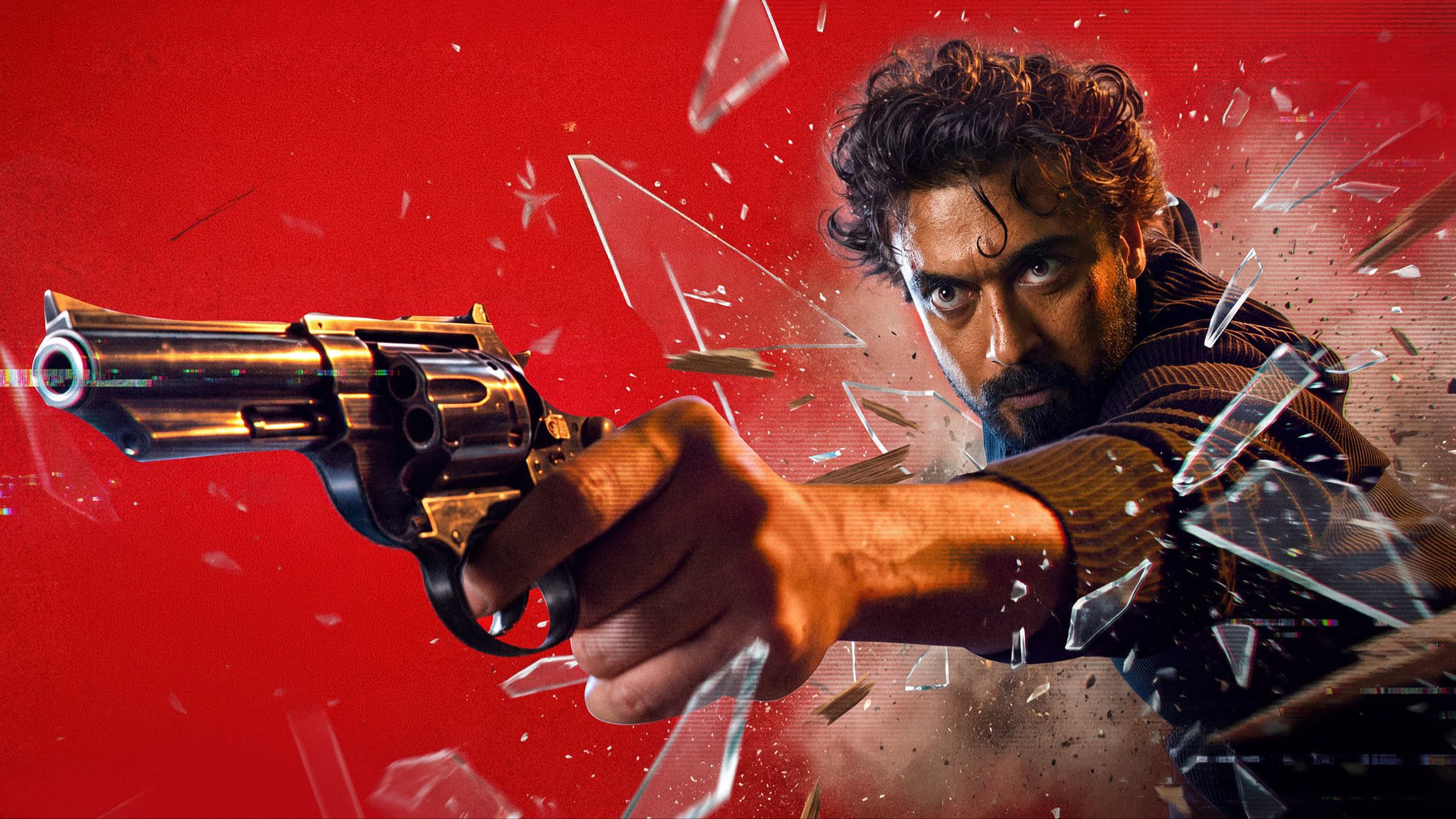
Kara casts him as Muthu Selvan, a thief who returns to crime when predatory banks trap his father in debt. The premise places the character between two pressures, the pull of an honest life and the obligation to family, and it is the kind of role that asks for restraint rather than showmanship. G.D.N casts him as Ambalapara Krishnan. Parimala and Co casts him as Parimala, in a dark comedy about a chaotic family whose tangled relationships tip into absurd and emotionally charged scenes. That last title is a useful measure of how far the comic register has travelled: the humour is edged with tension and drama rather than built on gags alone.
The Roles He Returns To, and Why the Name Matters
Certain parts recur. Comedy is the foundation, and it is a broad term covering the verbal play of his early Tamil films and the darker, tension-edged humour of Parimala and Co. He also gravitates to men under pressure of family or duty: the father in debt in Kara, the family man of the earlier comedies. And he takes substantial supporting parts in star-led pictures, where a dependable second presence steadies the film around its lead. Across nearly three decades of Tamil work, that pattern holds: he is rarely the loudest element, and the films are usually better for it.
For a reader outside the region, Jayaram is a useful entry point into how southern Indian cinema actually works. Careers are rarely confined to one language, and an established performer can anchor comedies at home while appearing in the historical epics and thrillers that travel furthest. His Tamil filmography spans nearly three decades, from family comedy to a Chola court to a modern action story. The name is worth knowing because it marks the bridge between two industries that audiences abroad often treat as separate. Following one performer across that bridge teaches more about the business than any single film can.
For background on the honours cited here, see the official Padma Awards portal, and for a general overview of the industries involved, the Encyclopaedia Britannica entry on Indian cinema is a reasonable starting point.