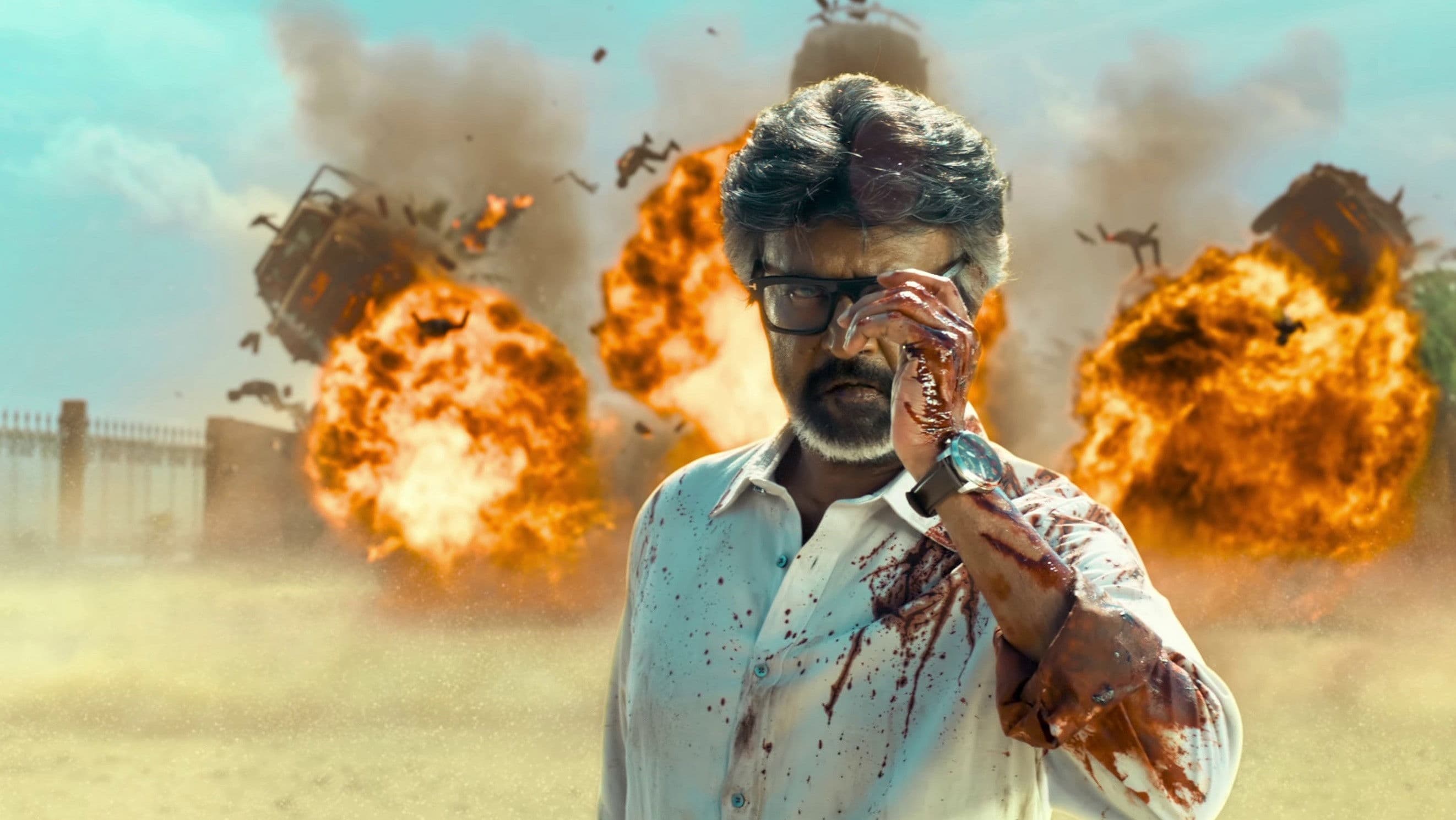
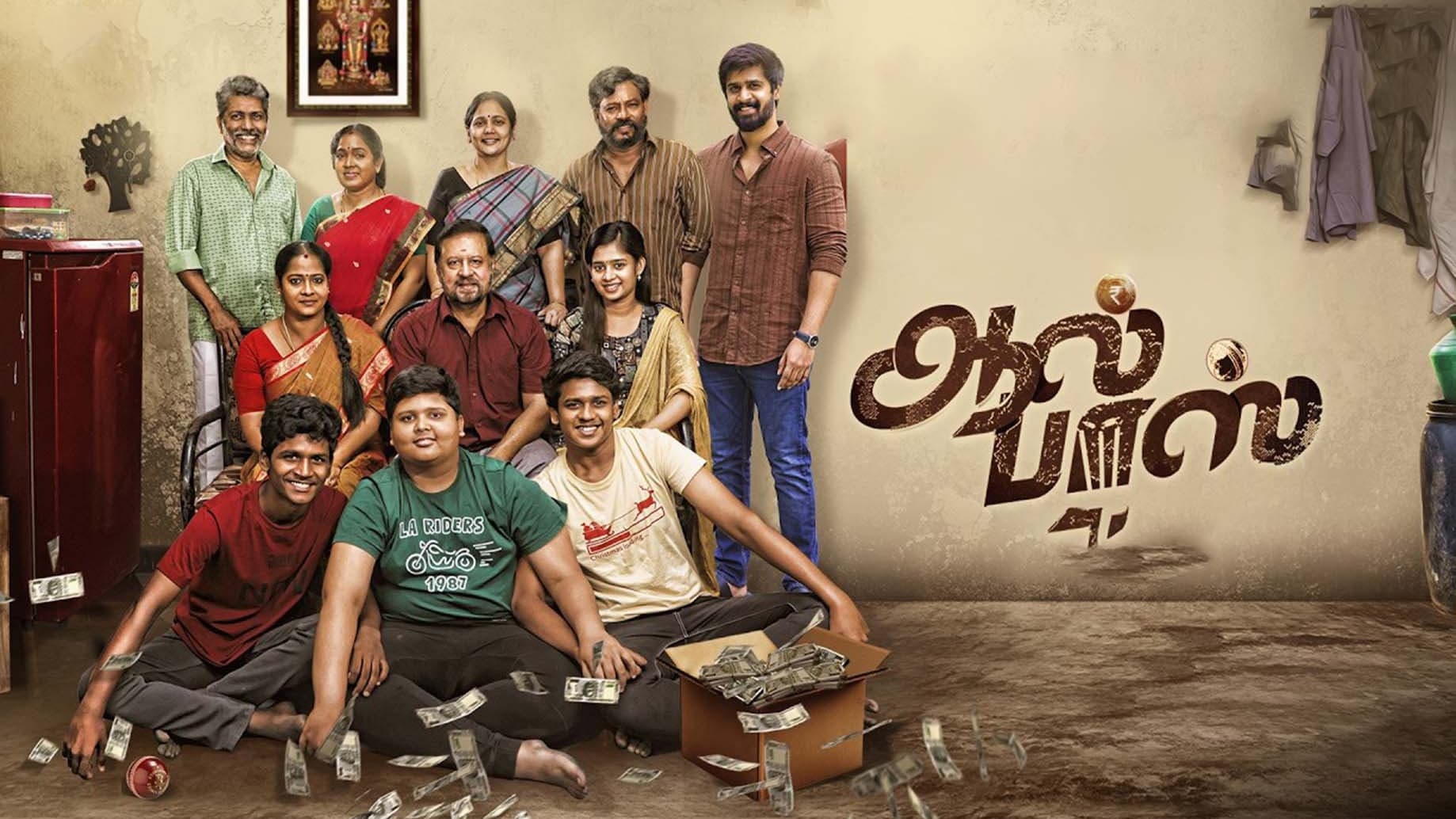
The narrative is a familiar one. A village (always a village, with good-natured elders and a corrupt villain who cheats at the local temple festival) is under the iron grip of a tyrannical land-grabber. Into this fray comes a younger brother, a hot-headed but good-hearted young man who wants to set things right. But he is constantly held back by his elder brother-the titular “Thalaivar”-a man of cooler temperament and mysterious past. The elder brother, a pillar of the community, refuses to stoop to violence. The younger brother, naturally, does not understand why.
Much of the first hour is dedicated to this conflict: the hot-headed sibling’s reckless schemes versus the wise brother’s cautious counsel. We are treated to extended flashbacks of their childhood, a dead mother, a promise made, and a single regret that haunts the elder. Meanwhile, the villain’s cronies escalate their atrocities, targeting the younger brother’s love interest (a spirited college student who gets precisely one scene of agency before becoming a damsel-in-distress) and the village well. The plot then predictably spirals toward a series of confrontations that force the elder brother to finally reveal his true identity-and his terrifying, dormant skills. The climax is a long, wet, rain-drenched showdown where every grudge is settled and every tear is shed.