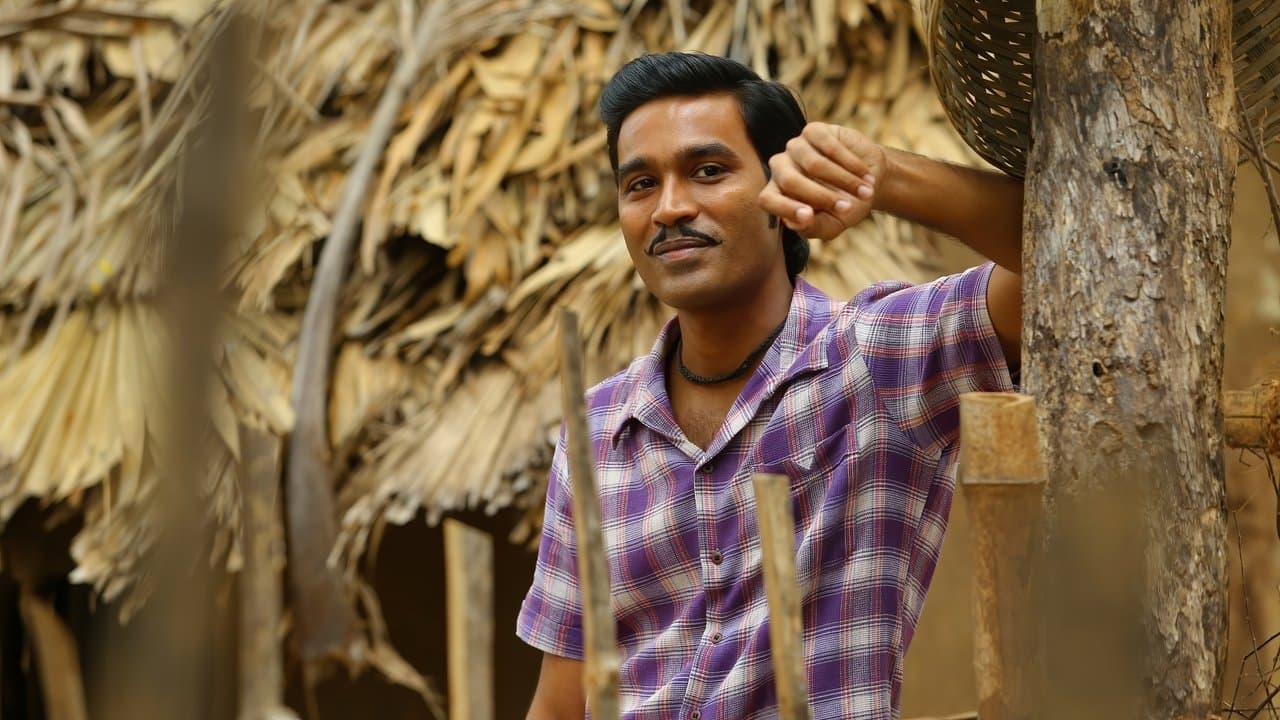
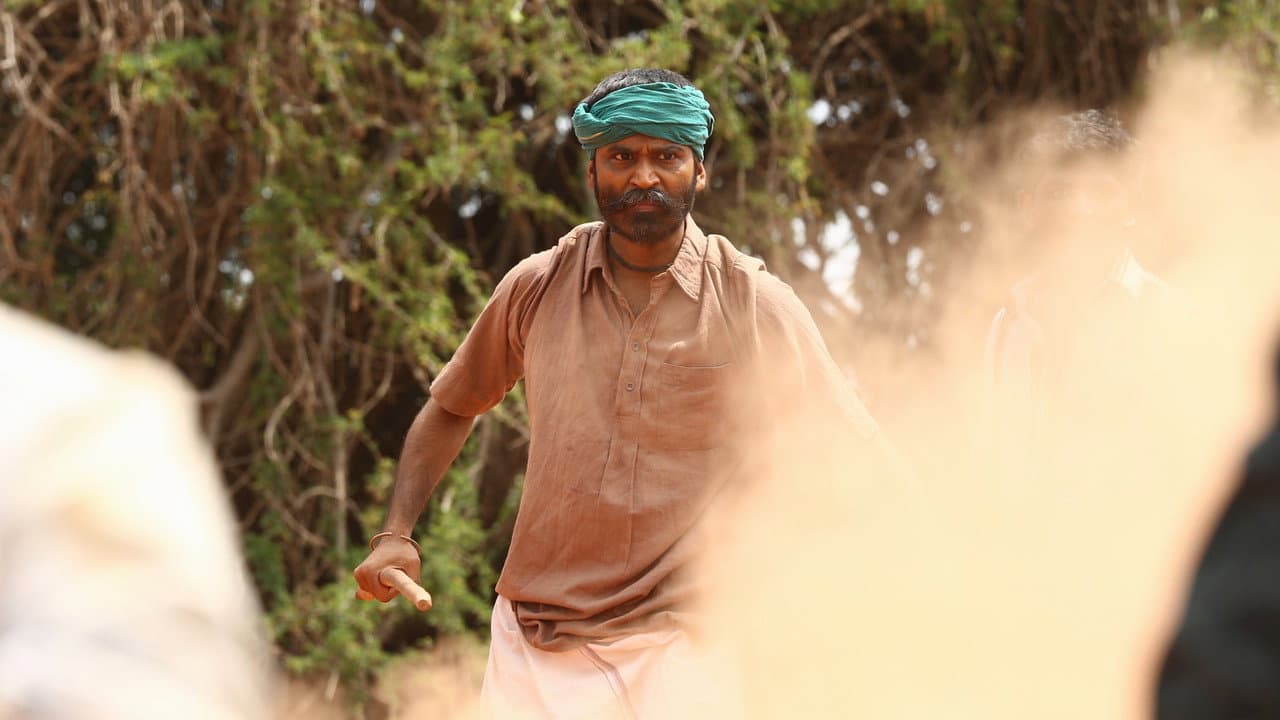
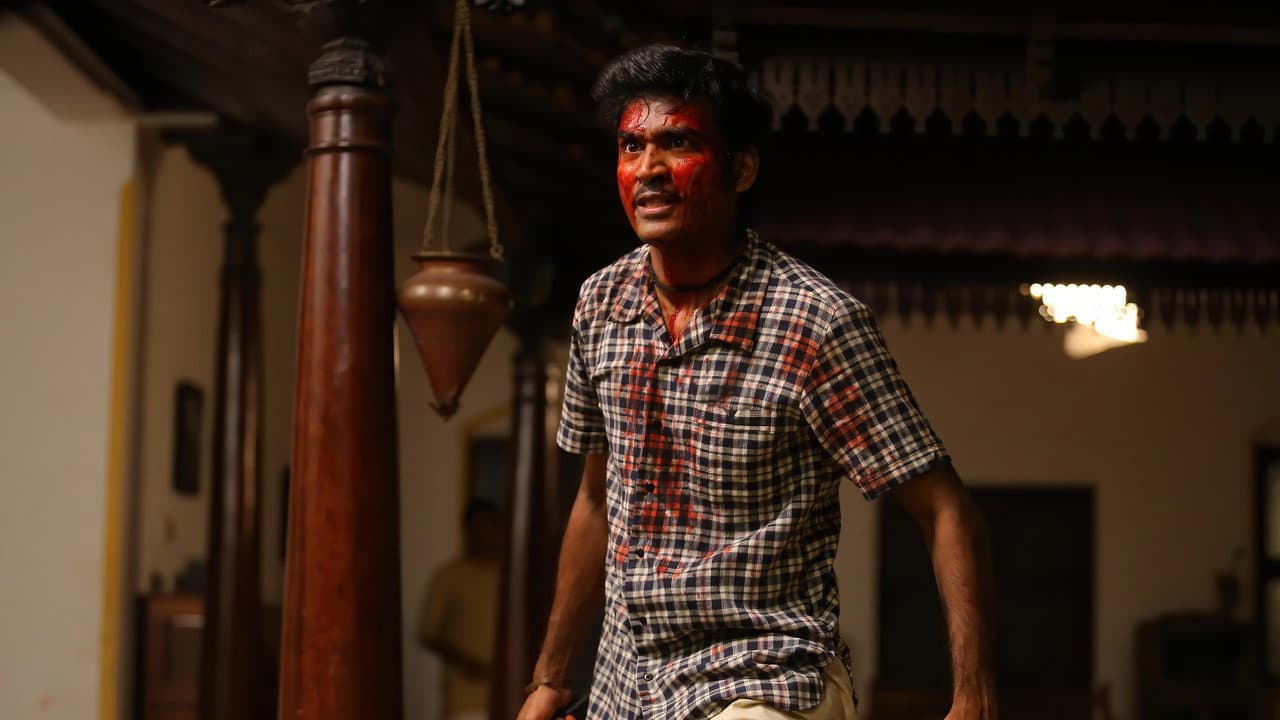
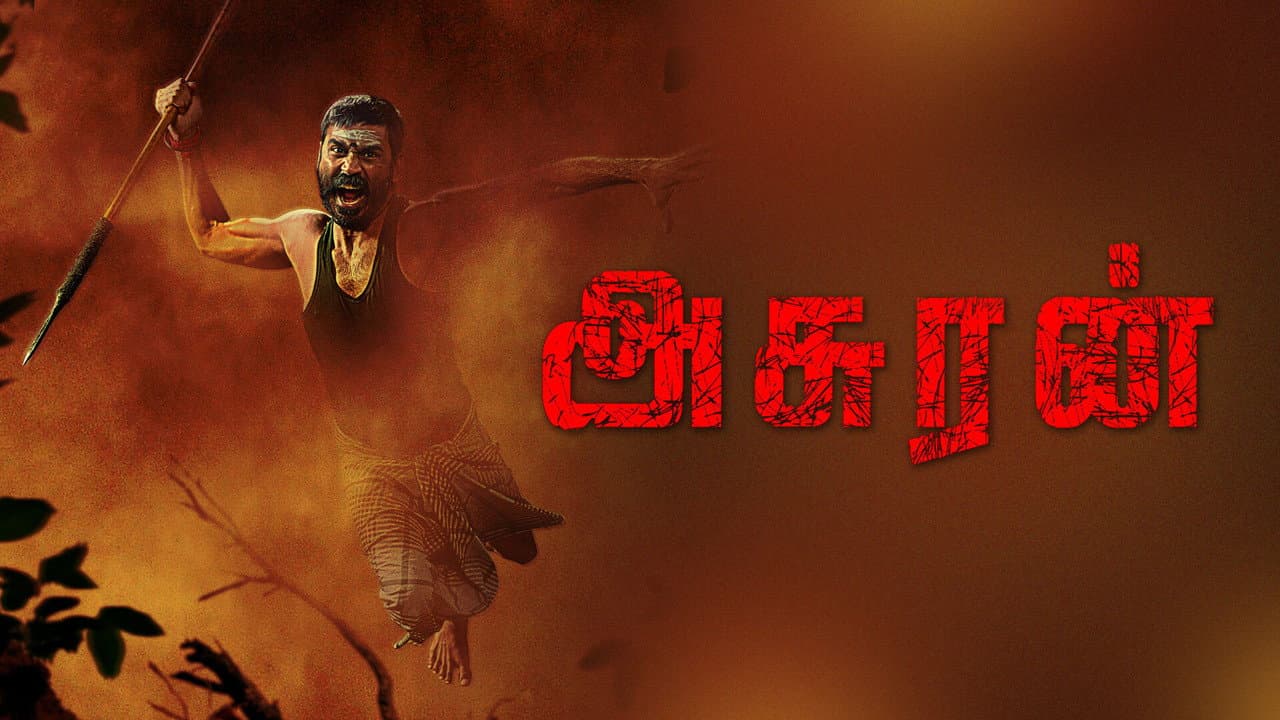
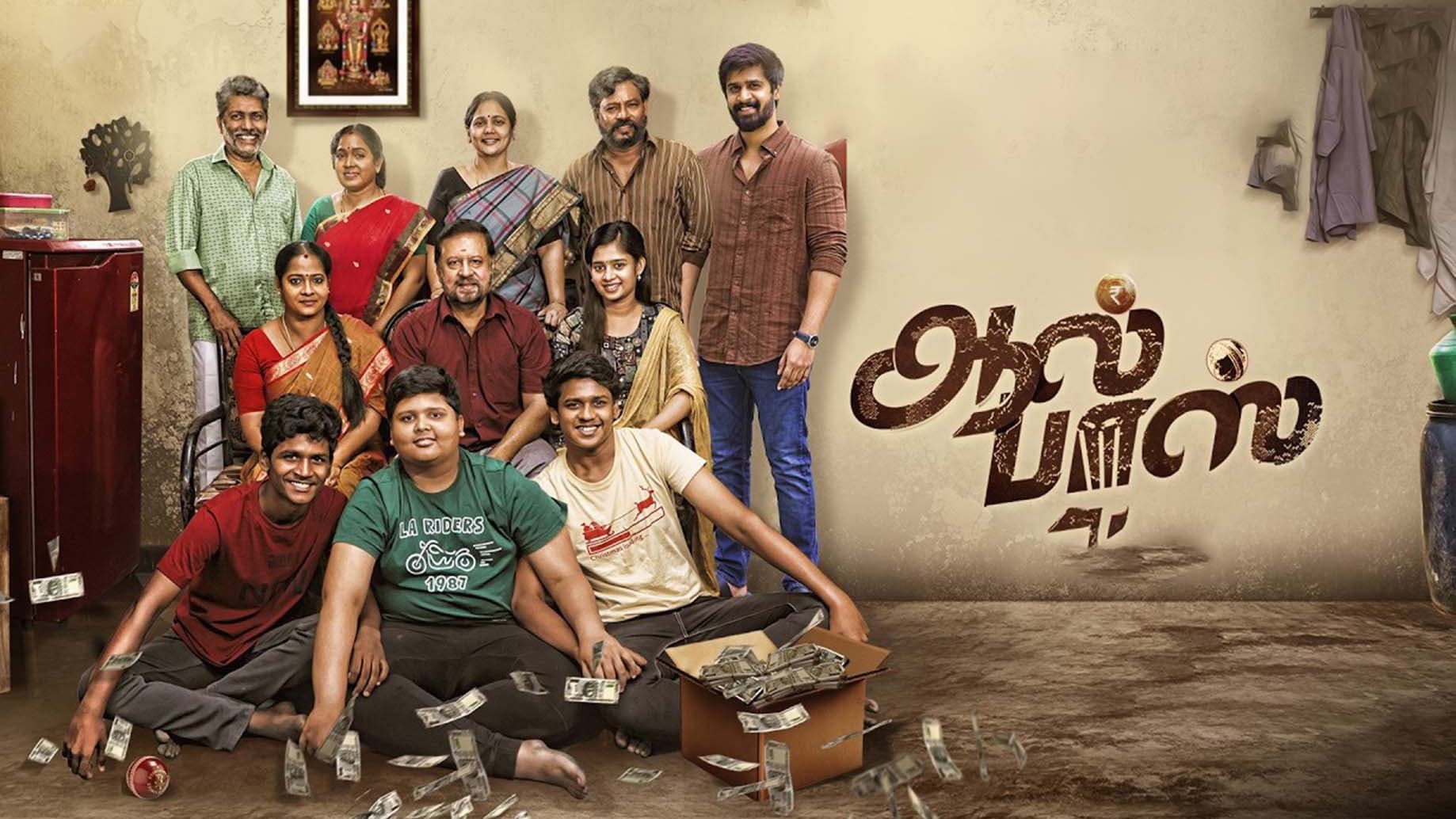
The film opens on the run. Sivasaamy (Dhanush), a wiry, weathered farmer, and his family are fleeing through the scorched fields of rural Tamil Nadu. His teenage son, Chidambaram (Ken Karunaas), has just killed a wealthy landowner from a dominant caste-a rash, violent act born from years of humiliation and a flashpoint of injustice. The premise, laid out in the official overview, is deceptively simple: can a pacifist father save his hot-blooded son? But Vetrimaaran unfolds the story in a fractured timeline, cutting between the present-day chase and a harrowing flashback spanning decades. We see young Sivasaamy as a landless laborer, his father Murugesan (Pasupathy) crushed by an exploitative system, and the slow, corrosive cycle of violence that eventually erupts. The narrative isn’t just about one killing; it’s about an entire history of oppression that makes that killing inevitable. The family’s flight becomes a metaphor for a community always running, never resting. And the father’s pacifism? It’s not weakness-it’s a tragic, deliberate choice born from the wisdom of having seen too many men die for their pride.

Asuran Movie Review: Dhanush's Powerful Performance
Director
Vetrimaaran
Language
TA
Release
2019-10-02
Runtime
141 min
Quick Verdict
A searing, emotionally devastating masterpiece that blends family dynamics with brutal social commentary. Dhanush delivers a career-defining performance, and Vetrimaaran’s direction is relentless. It’s not an easy watch-it’s designed to disturb-but for those seeking cinema with a pulse and a conscience, "Asuran" is essential. Highly recommended, though prepare for a gut punch.
Story
Review
Vetrimaaran’s genius here is his refusal to simplify. The upper-caste villain, Venugopal Seshadri (Prakash Raj), isn’t a cartoonish monster but a system enforcer-polite, entitled, and murderous when his privilege is threatened. The film doesn’t demonize all upper-caste people; it demonizes a structure. And the downtrodden aren’t saints. Sivasaamy’s son, Vel Murugan (Teejay), is hot-headed and reckless, and the film holds him accountable for his actions. Dhanush, in a role that earned him multiple Best Actor awards, completely disappears into Sivasaamy. He moves with the stooped, tired gait of a man who has bent too many times. His eyes, often downcast, occasionally flash with a fury he has spent a lifetime suppressing. The scene where he tells his son, “Don’t be like me-be angry, but be smart,” encapsulates the film’s moral complexity. Manju Warrier, as the resilient wife Pachaiyammal, is a force of nature-her quiet strength and unyielding loyalty provide the emotional bedrock. The cinematography by Velraj is stark and beautiful, capturing the scorching sun and the cracked earth as characters in themselves. The background score by G.V. Prakash Kumar pulses with a tribal, percussive beat that feels ancient and urgent. The action, when it comes, is brutal and brief-not choreographed dances but ugly, desperate survival. If there’s a flaw, it’s that the middle act, in flashback, can feel repetitive, as each humiliation piles on. But that repetitiveness is the point: this is how caste cruelty operates, a slow drip that eventually drowns.
Pros & Cons
Pros
- Dhanush’s performance is a masterclass in physical and emotional transformation
- Vetrimaaran’s layered, non-linear storytelling deepens the political context
- Manju Warrier delivers a powerful, understated performance that matches Dhanush
- Brutally honest depiction of caste violence without melodrama
- Stunning cinematography and a haunting, percussive score
- No moral shortcuts-the film respects the audience’s intelligence
Cons
- The flashback-heavy structure can feel slow for viewers expecting non-stop action
- Some may find the relentless tragedy emotionally exhausting
- The teenaged son’s character arc feels slightly underwritten compared to the father
- Certain supporting characters, like the police inspector (Balaji Sakthivel), border on symbolic rather than fully fleshed-out
Rating Breakdown
Final Verdict
"Asuran" is not a film you casually enjoy; it’s a film you endure and emerge from changed. It operates on two levels: as a gripping family drama about a father’s love and a son’s rage, and as a sharp political allegory about caste and resistance. Vetrimaaran doesn’t offer solutions-there are no heroic speeches or neat resolutions. The ending is as ambiguous as it is devastating, suggesting that the cycle of violence might pause but never truly break. Dhanush’s Sivasaamy, in his final moments, is both a victor and a ghost, a man who survived but lost everything that made life worth living. For Tamil cinema, this film set a new benchmark for how to handle social issues with art and integrity. Seven years later, as conversations around caste and privilege only grow louder, "Asuran" feels less like a period piece and more like a prophecy. Watch it. Let it haunt you. That’s the point.
Cast

Dhanush
Sivasaamy

Manju Warrier
Pachaiyammal

Ken Karunaas
Chidambaram

Teejay
Vel Murugan

Pasupathy
Murugesan
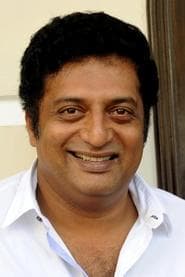
Prakash Raj
Venugopal Seshadri

Ammu Abhirami
Mariyammal

Balaji Sakthivel
Inspector

Subramaniam Siva
Murugan
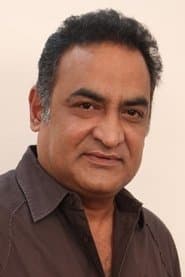
Aadukalam Naren
Vaddakooran

Pawan
Venkatesan

Bala Hasan
Rajesh Narasimman
Gallery