The name Rajinikanth carries a weight in Tamil cinema that is hard to translate for anyone who did not grow up around it. Born Shivaji Rao Gaikwad, he is a performer, producer and screenwriter whose work sits largely in the Tamil language industry, and his career now stretches across five decades of film. For a reader outside the region, the simplest way in is this: very few performers anywhere have held a mass following for so long while working almost entirely in one language. This piece, Rajinikanth: A Career In Tamil Cinema, traces the shape of that body of work rather than the noise around it.
That following did not arrive all at once. The career is best understood as a long transformation, from a supporting antagonistic role to the centre of the frame, and then from the centre of the frame to something closer to a screen mythology. What connects the work is a recognisable style of delivery. Dialogue in a Rajinikanth film is often written to be performed rather than simply spoken. The mannerisms around it, the pauses, the gestures, the sheer confidence, matter as much as the plots themselves. That style is why his films are watched as events rather than as ordinary releases.
The Screen Presence That Built a Career
He made his cinematic debut in a supporting antagonistic role in K. Balachander's Tamil drama Apoorva Raagangal (1975). Villain and anti-hero parts followed, and the confirmed filmography shows how quickly the range widened. Aaru Pushpangal (1977) and Mangudi Minor (1978), in which he played Kumar, sit in this early stretch. The latter is a family tragedy built around a train accident that separates four people from one another. Aarilirunthu Arubathu Varai (1979), with Santhanam at its centre, belongs to the same period of testing what a leading man could be. For readers new to the industry, it helps to know that "anti-hero" here means a central figure who lacks conventional heroic virtue, a role that lets a performer command the frame without playing the good man.
The move to lead roles is tied to his work with the director S. P. Muthuraman. Bhuvana Oru Kelvi Kuri (1977), Murattu Kaalai (1980) and Nallavanukku Nallavan (1984) all came from that partnership. That last film shows the template clearly. A young man named Manickam is reformed by a kind benefactor, Gangadharan, and put in charge of his business, only for Gangadharan's son to seek revenge. The outsider brought inside, then tested. Siva (1989), with its lead character known as Tiger, carried that template forward into the action mode that would define the next phase.
The Films and What Each One Added
Arunachalam (1997) gave him a double part as Arunachalam and Vedhachalam. Baba (2002), where he played Baba and Mahavatar Babaji, is notable as a film he produced and also wrote the story and screenplay for. That behind-the-camera credit matters. It shows an interest in shaping the material and not only performing it. In an industry where sheer force of presence often blurs the line between the performer and the material, a writing credit is a statement of authorship.
Sivaji: The Boss (2007), with Sivaji Arumugam at its centre, and Enthiran (2010), in which he plays both Dr. Vaseegaran and the robot Chitti, mark the arrival of spectacle as a core part of the enterprise. Enthiran is worth describing plainly for anyone who has not seen it. A scientist builds a powerful robot in his own image. A scientific body rejects the machine for lacking human behaviour and emotion. A lightning strike changes that, and the robot's feelings for the scientist's fiancée, Sana, turn him against his creator. 2.0 (2018) returned to the same characters and added Kutti. Jailer (2023), with Muthuvel Pandian, the man the film calls Tiger, showed the older-performer-as-quiet-force idea still working at scale.
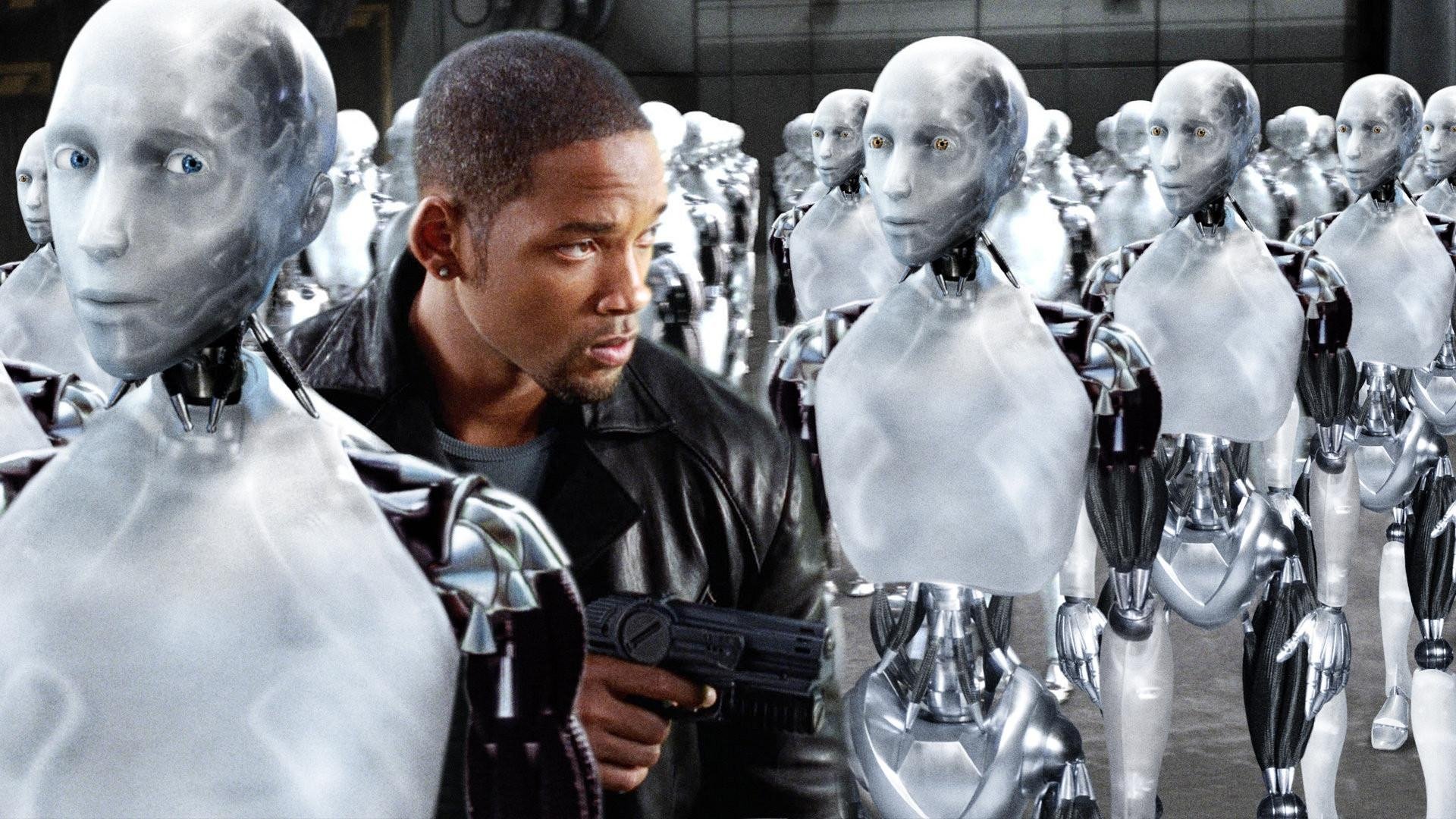 Photo: TMDb
Coolie (2025) closes the confirmed list, and its shape is instructive. Deva lives quietly until a close friend dies in suspicious circumstances. His search for the truth pulls him into a hidden gang and a web of crime, betrayal and old secrets. The film is not a departure so much as a distillation: a man with a past, drawn back into the world by loyalty.