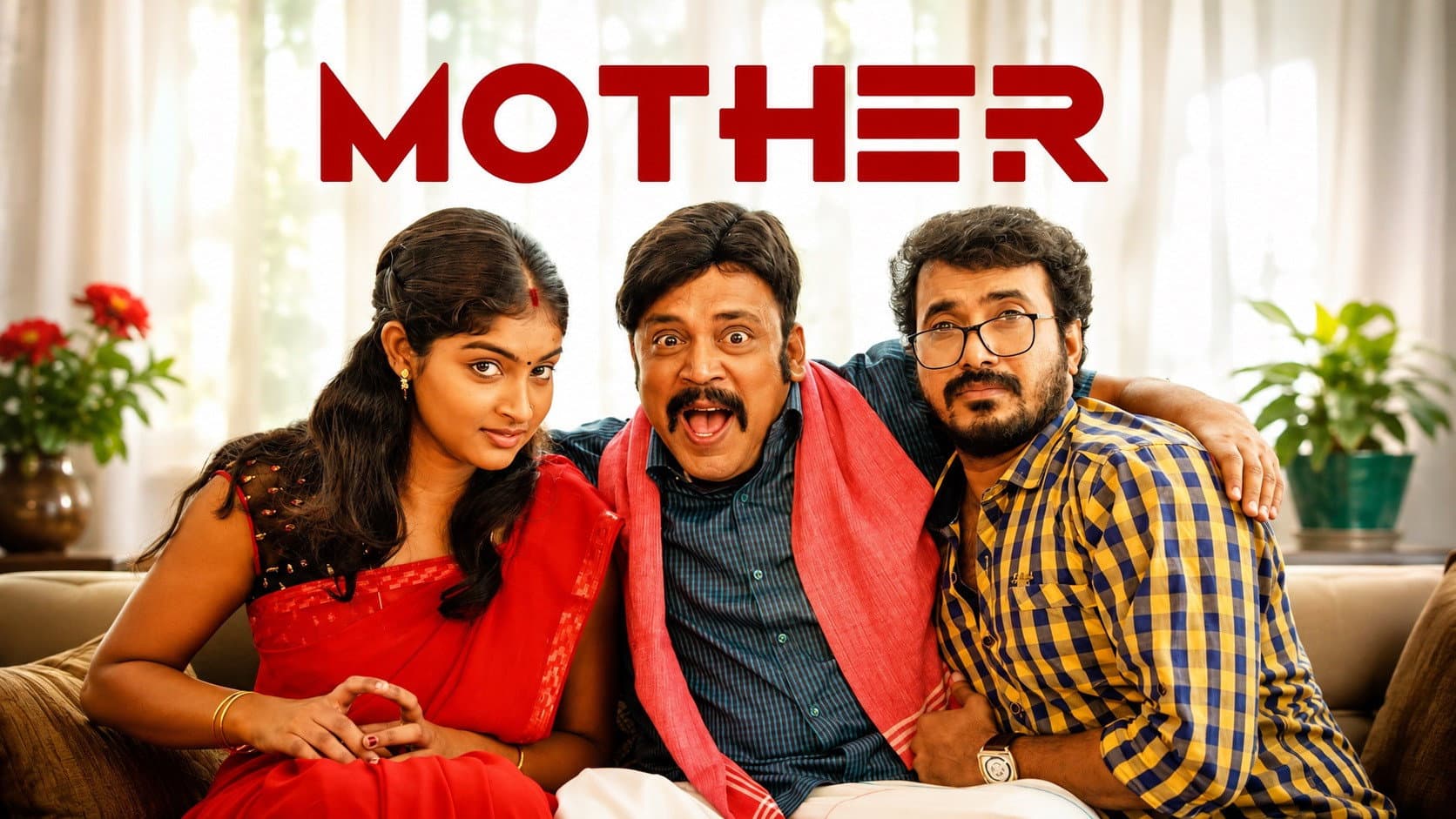
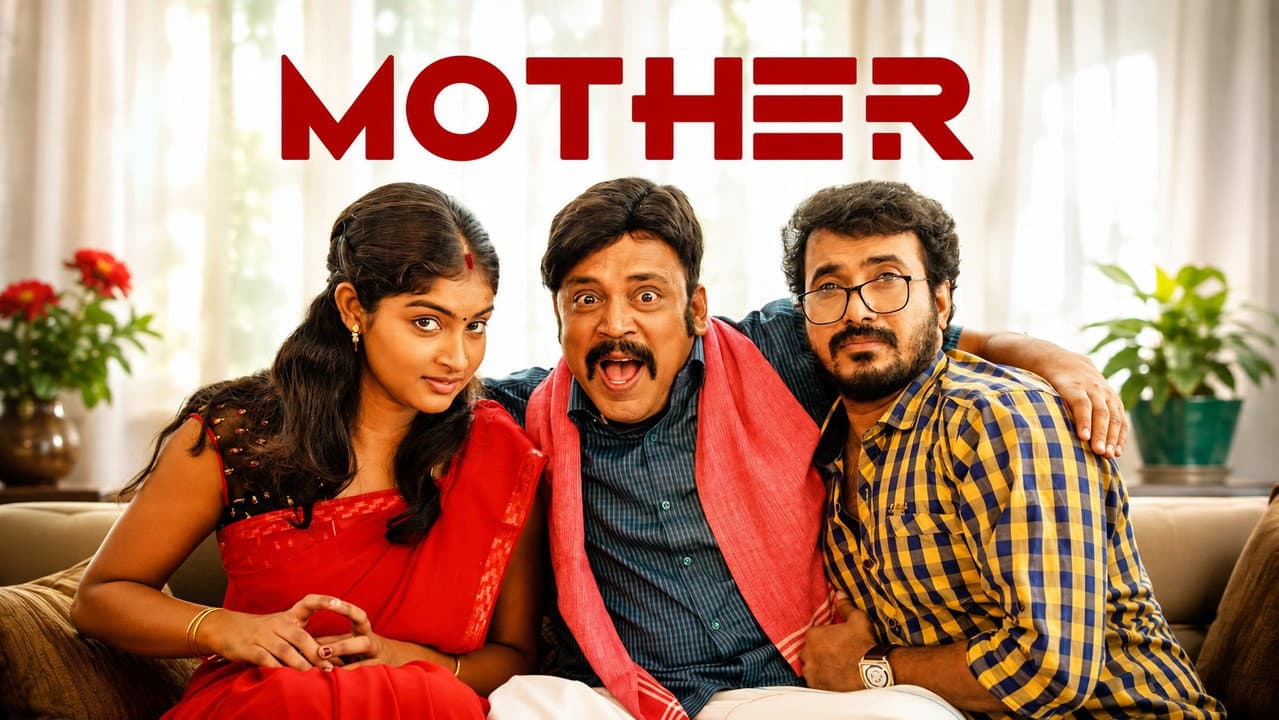
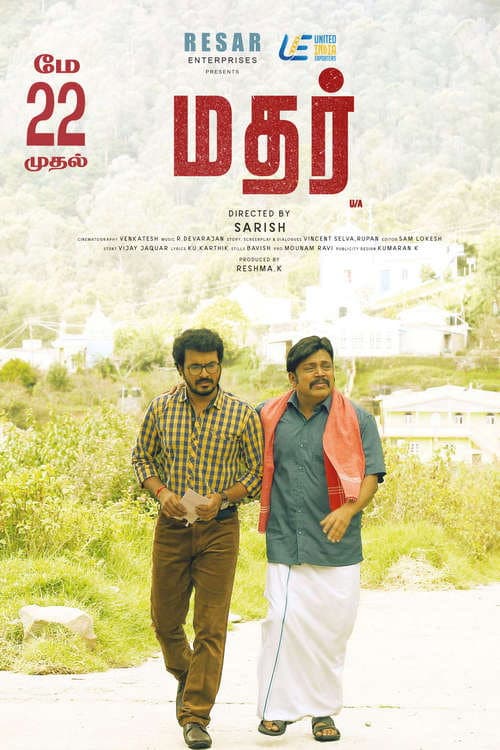
In an industry often defined by its sprawling spectacles and larger-than-life heroes, a quiet film arrived in August with a far gentler proposition. Mother, a Tamil family drama released on August 21, 2026, slipped into theatres with little fanfare, yet it carries with it a subject that resonates across generations and demographics: the boundless, often unspoken love of a mother.
Clocking in at 96 minutes, the film is a compact, intimate portrayal of the dynamics that define a household. It follows the emotional contours of a family bound not by dramatic circumstances, but by the everyday sacrifices that go unnoticed until they are needed most. The narrative explores the profound depth of a mother's love and the selfless choices she makes, choices that ripple through the lives of those around her. It is, by all accounts, a story rooted in the relatable, the familiar, and the quietly moving.
What distinguishes Mother is not just its subject matter but the scale of its production. The film opted for a limited theatrical release through digital cinema networks, including SDC, a route increasingly taken by smaller productions seeking to reach audiences without the backing of a major studio. This distribution model, while modest, speaks to a growing trend in Tamil cinema where content-driven narratives carve out their own space, often outside the traditional theatrical ecosystem.
At the helm of the cast is Thambi Ramaiah, a seasoned actor whose presence brings a certain grounded authenticity to the project. Known for his ability to inhabit characters with warmth and an understated gravity, his involvement signals a performance that likely anchors the film's emotional weight. Sharing the screen is Arthika, an actress whose role as the central maternal figure forms the heart of the narrative. Together, they bring to life a story that, according to its official overview, captures "core familial bonds" and the "profound dynamics" inherent in motherhood.
The film is directed by Sarish, a name that may not yet be widely recognized but who here takes on a story with a deliberate, perhaps restrained, touch. Directing a family drama of this nature requires a sensitivity to silence and subtlety, and Mother's tight runtime suggests a story told without excess, focusing instead on the beats that matter.
Love it or critique it, the film's very existence highlights a particular segment of Kollywood that often goes underreported: the small-scale, emotionally driven drama that does not aim for the box office crown but for the heart. Mother does not seek to overwhelm with visuals or grandiosity. Its 96 minutes are dedicated to the quieter moments, the glances, the sacrifices, and the unspoken understandings that define the maternal relationship.
The film's genre is officially listed as Drama and Family, and it is entirely in Tamil. It does not stray into other languages or industries. It is a Kollywood product, rooted in the storytelling traditions of Tamil cinema, even as it adopts a production and release strategy that is distinctly modern.
Notably, Mother currently holds a TMDb rating of 0 out of 10, which is not a reflection of its quality but rather an indication of the limited number of user votes it has received. In the realm of online film databases, a zero rating often simply means the film has not yet been discovered by the broader internet audience. For a release of this size, that is not unusual. It is a reminder that not every film is made for the algorithm; some are made for the heart.
In an age where cinema is often measured by its opening weekend numbers or its streaming views, Mother stands as a reminder that there is room for stories that ask for nothing more than a quiet hour and a half of your attention. It is a film about sacrifice, about the lengths a mother will go for her family, and about the quiet heroism that exists within ordinary homes. It may not be loud, but it is speaking. And for those who listen, it has something to say about the bonds that hold us together.