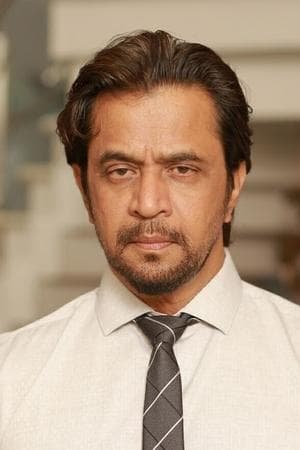
Few performers in Tamil cinema arrive with a skill set as clearly defined as Arjun Sarja's. Before the camera, before the dance numbers and the fight choreography, there was a teenage boy watching Bruce Lee and deciding to learn how to move like him. That decision, made at sixteen, explains a great deal about the career that followed. This piece traces Arjun Sarja: A Career In Tamil Cinema through its confirmed titles, from a late 1980s entry to the large productions of the present decade, and looks at what holds the body of work together.
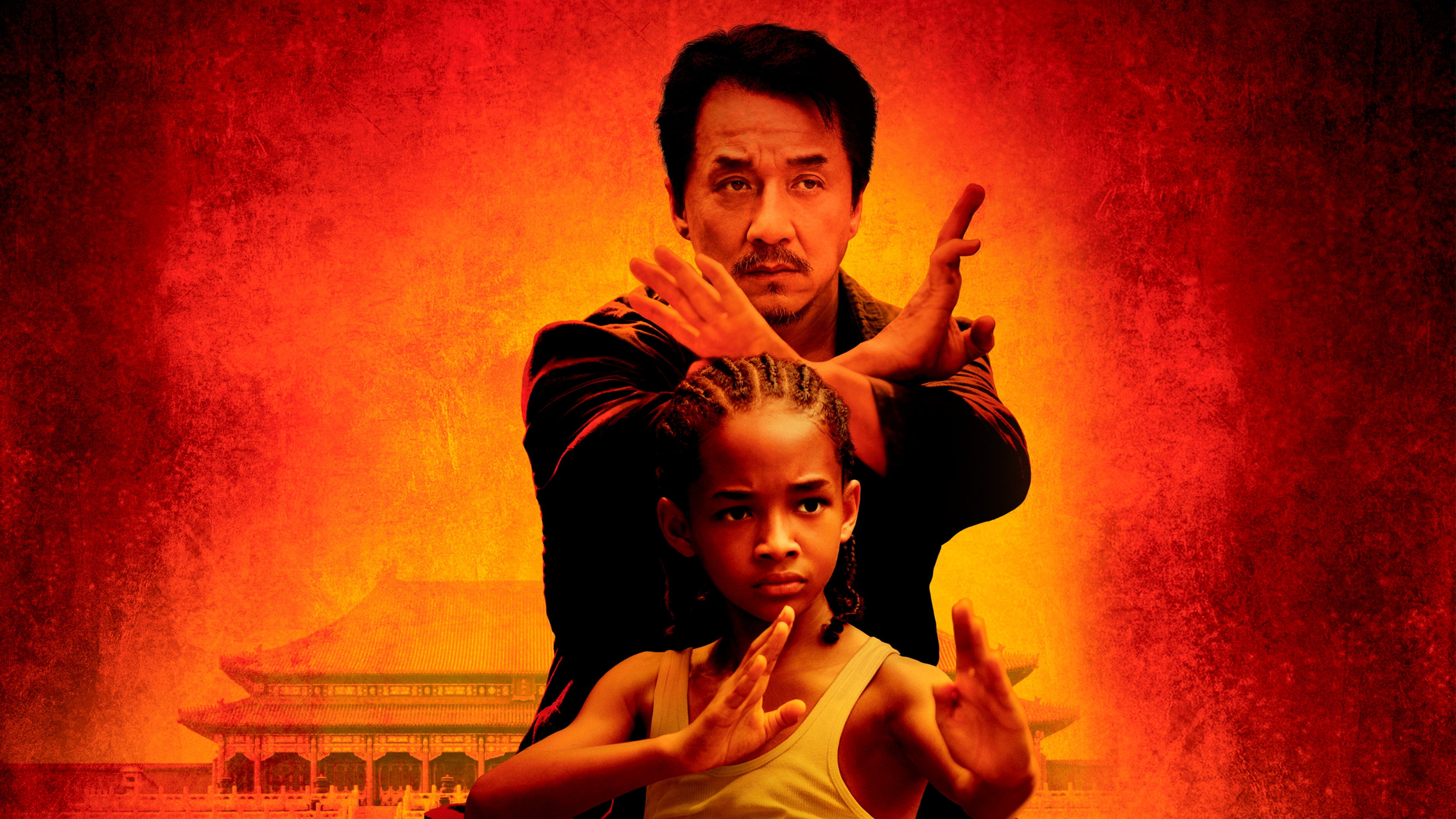 Photo: TMDb
The Martial Arts Foundation and the Action Identity
From Madhugiri to the Madras Industries
Arjun Sarja was born in Madhugiri, in the erstwhile Mysore State, into a Kannada family. His father was Shakthi Prasad, a Kannada film performer, and his mother, Lakshmi, worked as an art teacher. The household therefore combined performance and visual craft, but it was cinema from outside the family that pointed the way forward. Inspired by Bruce Lee's 1973 film Enter the Dragon, Sarja began training in karate at the age of sixteen and went on to hold a black belt.
For readers outside the region, that black belt deserves a note. It is not a title handed out for screen work or publicity. It is a rank earned through graded examination, tested in front of instructors, and it represents years of repetition rather than a single achievement. That distinction matters here. When Arjun Sarja throws a strike on screen, the training behind it predates the film.
A Debut and an Early Screen Presence
The earliest confirmed title in the filmography is Dhayam Onnu (1988), in which he appears as Arun. A second early credit, Mettupatti Mirasu (1994), lists him as Chinnadurai. Between these two titles the career takes shape: an entry in the late 1980s followed by a stretch of work rooted in the region's own storytelling traditions. What those films did at the time is not the point. What matters is that the foundation was laid in Tamil cinema specifically, in its own idiom and its own market.
The Breakthrough That Set the Template
Gentleman (1993) is the pivot. Directed by Shankar, the film opened to positive reviews, became a blockbuster, and brought Sarja the State Award for Best Actor. Two terms are worth unpacking. A blockbuster, in industry shorthand, is a commercial success of the highest order, the kind that reshapes how a performer is cast afterwards. A State Award is a government honour rather than an industry popularity prize, conferred by a state rather than by a body of peers in the trade. Together they mark the moment Sarja stopped being a promising newcomer and became a leading man with a template: controlled physicality, confrontation, resolve.
The Filmography: Roles That Repeat and Roles That Shift
The Director Who Also Stands In Front of the Camera
Ezhumalai (2002) is the clearest example of a rare pattern in Tamil cinema: the same person credited as director and as lead. The word director here means the individual who controls a film's creative execution, from staging to final cut, and holding that job while also playing the title role is a recognised but uncommon arrangement in the industry. Kondattam (1998), with Sarja as Raja, and Kaattu Puli (2012) sit alongside it as further leading roles. Kaattu Puli places a family on a picnic that turns into a fight for survival in a forest, where they cross a gang stealing organs. That is the premise, plainly stated, and nothing more needs adding.
The Action Lead in Middle Age
Mankatha (2011), with Sarja as Prithviraj, and Irumbu Thirai (2018) show that the physical, confrontational register does not fade with time. In Irumbu Thirai he carries a dual credit as Sathya Murthy and White Devil, and the premise turns on a scam: Kathiravan, a major in the Indian army dealing with anger management issues, borrows money using false documents, loses the entire balance, and follows the trail to White Devil, a master hacker. A hacker, for anyone unfamiliar with the term, is someone who breaks into computer systems. The film's reception is beside the point. What it demonstrates is range within a single register.