Five days after its release, the most striking thing about Manoj Sivakumar's Nizhalilirundhu Velicham is how much weight it carries in just twenty-three minutes. The Tamil short film, which opened on October 23, has quickly become a talking point among audiences drawn to intimate, character-driven drama. The title translates to "Light from Darkness," and that's precisely the terrain the film mines - not through grand gestures, but through the quiet, accumulating weight of rejection and the fragile lifeline of human connection.
At its centre is Vinith, played by Pugazh, a man whose life has been worn down by successive rejections. The film's premise is deceptively simple: when push comes to shove, when the world keeps closing doors, what keeps a person tethered? Here, the answer arrives in the form of an unwavering bond - the kind that doesn't announce itself with fanfare but simply refuses to let go. Sivakumar, who also appears in the film as Barani, directs with a restraint that suggests he understands the material's emotional architecture. There's no melodrama on display, no manufactured catharsis. Instead, the story unfolds as a slow, deliberate examination of what it means to be pulled back from the brink.
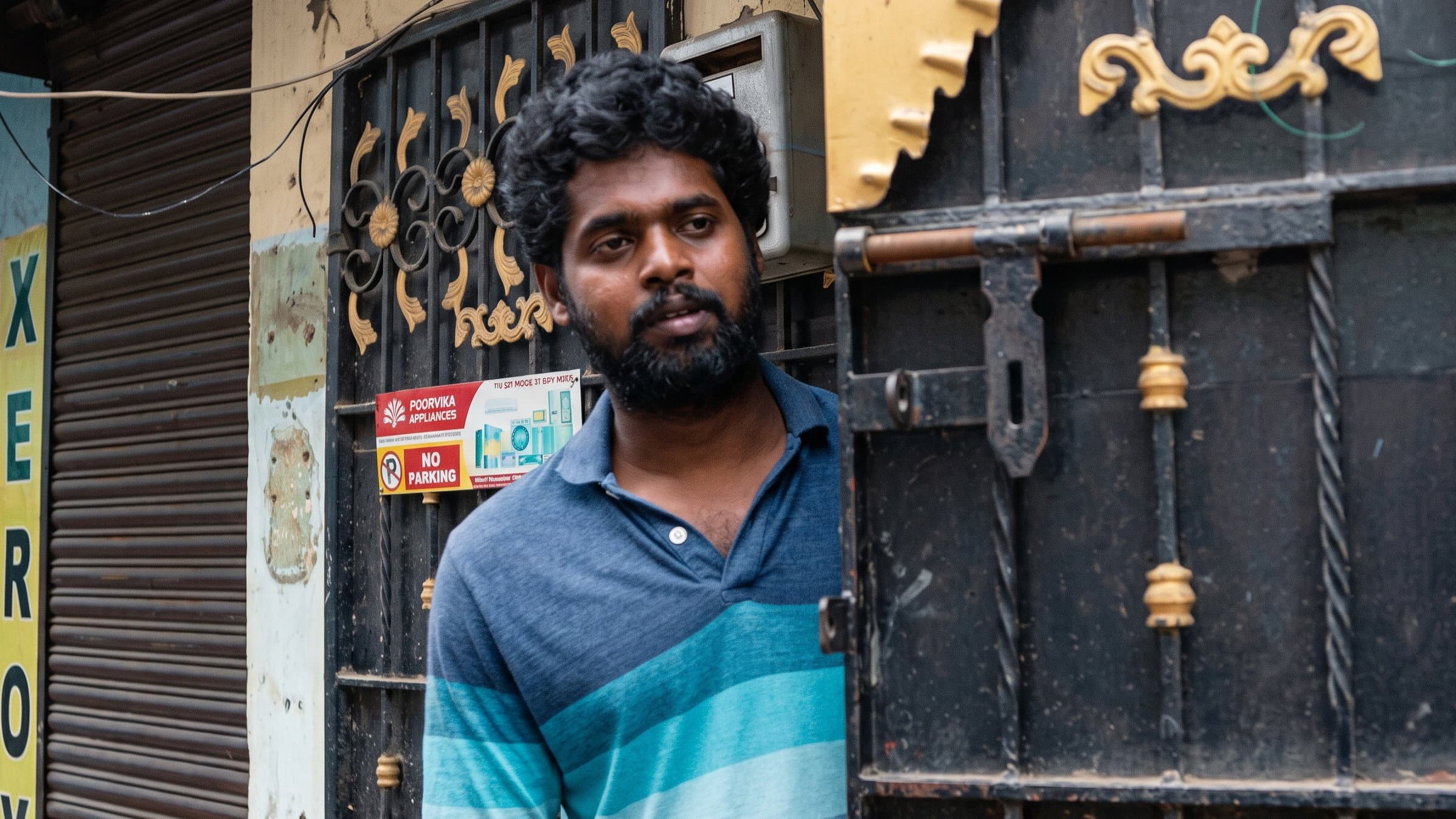
Pugazh, best known for his work in comedy, delivers what many are calling a career-redefining performance. His Vinith is not a man who wears his pain on his sleeve; it's there in the silences, in the way he carries himself, in the small defeats that have accumulated over time. Opposite him, Roshan plays Kavin, the friend whose presence becomes the film's emotional anchor. The chemistry between the two - unforced, lived-in - forms the film's beating heart. Senthil, as Appa, brings a paternal gravity to the proceedings, while Sivakumar's own turn as Barani adds another layer of texture to the ensemble.
The film's title is instructive. "Nizhalilirundhu Velicham" - light from darkness - suggests a journey rather than a destination. This is not a story about instant salvation; it's about the gradual, often painful process of finding one's way back. Sivakumar's direction honours that process. The pacing is unhurried, the camera patient, allowing moments to breathe in ways that longer films often can't afford. In twenty-three minutes, the film achieves an emotional resonance that many features struggle to sustain over two hours.
What's particularly notable is how the film treats rejection - not as a single catastrophic event but as a cumulative force. Vinith's breaking point isn't the result of one betrayal but of many small ones, each chipping away at his resolve. The film understands that despair is rarely dramatic; it's mundane, quiet, and relentless. Against that, the unwavering bond that pulls him back becomes something like a quiet miracle - not a solution, but a reason to keep going.
The Tamil film industry has seen a resurgence of interest in short-form storytelling in recent years, with filmmakers using the format to explore intimate, character-driven narratives that might struggle to find footing in the commercial feature space. Nizhalilirundhu Velicham fits squarely into that tradition. It's a film that trusts its audience to sit with discomfort, to find meaning in the unspoken, and to recognise the profound in the ordinary.
Sivakumar, a relatively new voice in Tamil cinema, shows a maturity behind the camera that belies his experience. His direction is confident but never showy, and his writing - the film's script is credited to him as well - demonstrates an ear for dialogue that sounds lived rather than written. The film's emotional beats land because they're earned, not forced.
As Nizhalilirundhu Velicham continues its run, it's worth noting that the film arrives without the machinery of a major studio behind it. There are no box-office figures to report, no marketing blitz to dissect. What there is, instead, is a small, deeply felt film that has found its audience through word of mouth - and that, in itself, feels like a kind of light from darkness. For Tamil cinema, it's a reminder that sometimes the most powerful stories are the ones that ask us to sit quietly and listen.