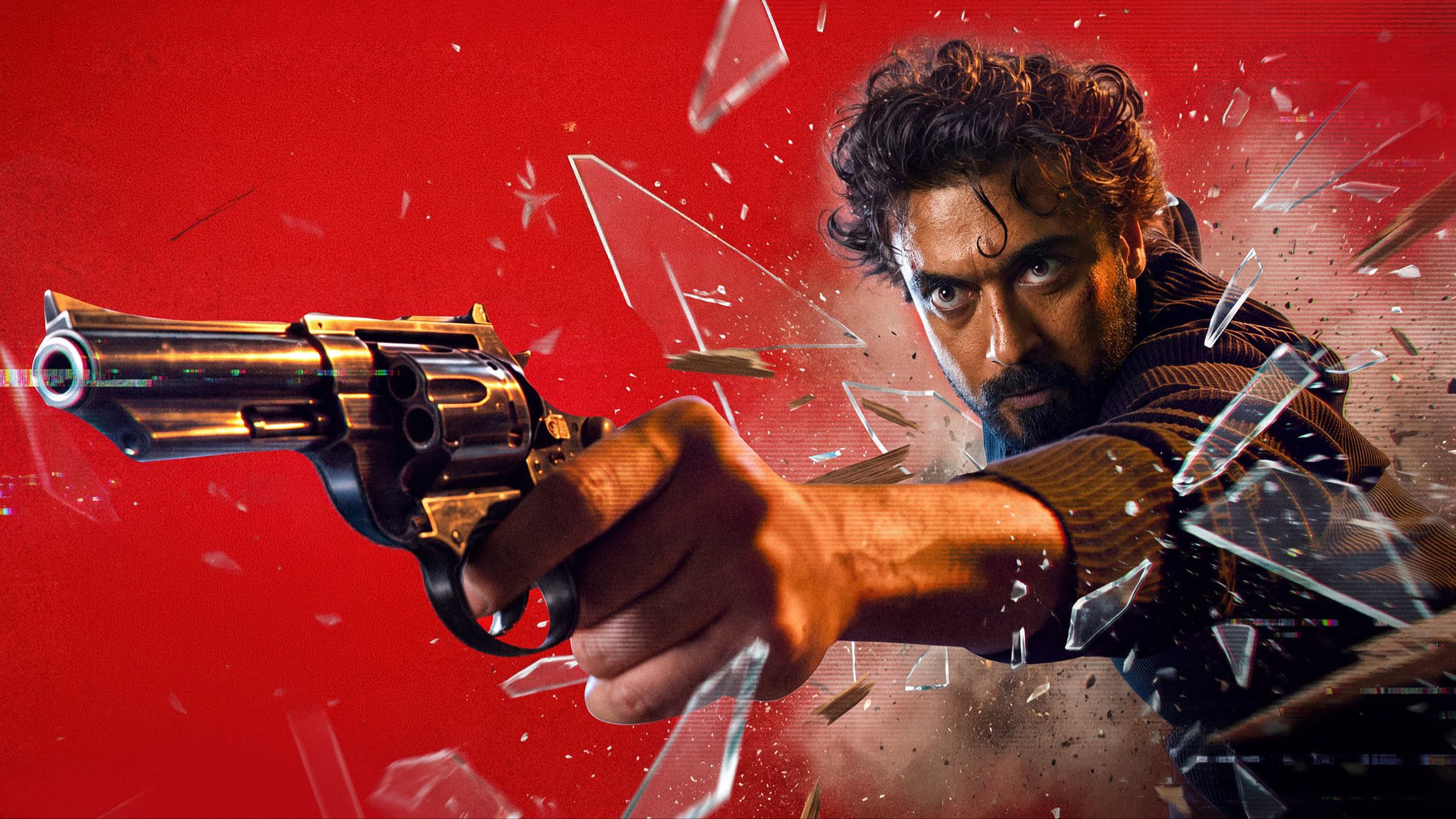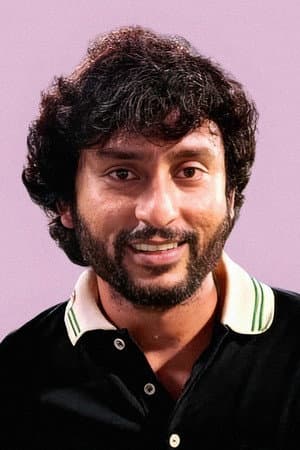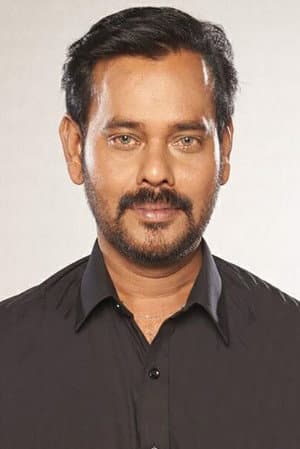
Some careers in Tamil cinema start in a casting office or on a theatre stage. Natarajan Subramaniam's started behind a camera. Most viewers know him as Natty. He came to performing from Paramakudi in Tamil Nadu with years of camera work already behind him, and that history shapes everything he does in front of the lens. In his case, Natarajan Subramaniam: A Career In Tamil Cinema is a story about two crafts that feed each other.
The vocabulary is worth setting out early. A cinematographer designs and operates a film's camera and lighting, and in practice decides how a scene looks. Natty did that work before audiences knew his face. He shot the music videos for the band Euphoria's first album, and he was cinematographer on three projects by Anurag Kashyap: Last Train to Mahakali (1999), Paanch (2003) and Black Friday (2004). His advertising work runs to more than 1,500 ad films. That volume matters. Short-form commercial work demands speed and a clear visual idea, and those habits carry straight into feature films. He arrived in front of the camera having spent years composing images for other people.
The Roles, Film By Film
Katham Katham (2015) marks an early credited appearance. Namma Veettu Pillai (2019) is the film that put him in front of a wide mainstream audience, with him playing Ayyanar, a supporting part in a large ensemble picture. That is the usual shape of a breakthrough for a performer of this kind: not a lead, but a face placed among many, in a film big enough to carry it to everyone.
A Run Of Character Work
The fuller roles followed. In Yugi (2022) he is Sedhu. In Bakasuran (2023) he is Major Arulvarman, in Maharaja (2024) Inspector S. Varadharajan, in Kanguva (2024) Koduvan. Maharaja gives the clearest sense of what he can do with a small part. The plot follows a barber seeking vengeance after his home is burglarized. He tells the police his "Lakshmi" has been taken and leaves them unsure whether he means a person or an object, and they jeer at his request until they learn what they are really looking for. His Inspector is one of the officials who has to make sense of that claim, and the role calls for a policeman's patience rather than a hero's flourish. Bakasuran and Kanguva put him in heavier, more physical registers. See Saw (2025) casts him as Mugilan.
The 2026 Cluster
Karuppu (2026) gives him Chief Metropolitan Magistrate M.D. Rajanayagam, in a story where the guardian deity Vettai Karuppu takes the guise of a lawyer to battle a corrupt legal system preying on the powerless. In Idhayam Murali (2026) he is Thangam Mama, in a film about unrequited love and how certain feelings stay embedded over years. TN 2026 (2026) is set in Pollachi, where a powerful landlord named Sivalingam Mandradiyar becomes obsessed with a rising actor, Kulkanth Kumar, believing him the next M.G.R. and pouring his wealth into shaping the man's career and political future. Vadam (2026) lists him as Rathnavel, and Dark (2026) as AC Balachandar. One line covers the cluster: he plays men inside institutions, courts, police and money, rather than outsiders looking in.
What He Returns To, And Why The Name Travels
Three threads run through the body of work. The first is authority figures. Magistrates, inspectors, officers and majors recur, and the interest lies in what such men do when the system around them falters. The second is the craft overlap. A cinematographer turned performer understands where the camera is and what a frame needs. That suits ensemble pictures with many moving parts, where knowing your place in the composition keeps a scene clean. The third is scale. He moves between small character-driven films and large commercial ones without the work changing register, which is harder than it sounds.
Placement matters too. Tamil cinema is a large, largely language-defined industry centred in Chennai, and a career like this one, built on distinctive supporting parts rather than leads, is how much of its texture is made. For readers outside the region, that is the useful thing to hold on to: the industry's scale is carried by performers who are recognisable without being billed above the title. A viewer who knows the face from Maharaja or Namma Veettu Pillai is already watching a body of work that began behind the lens, and understanding that origin explains the poise in front of it.