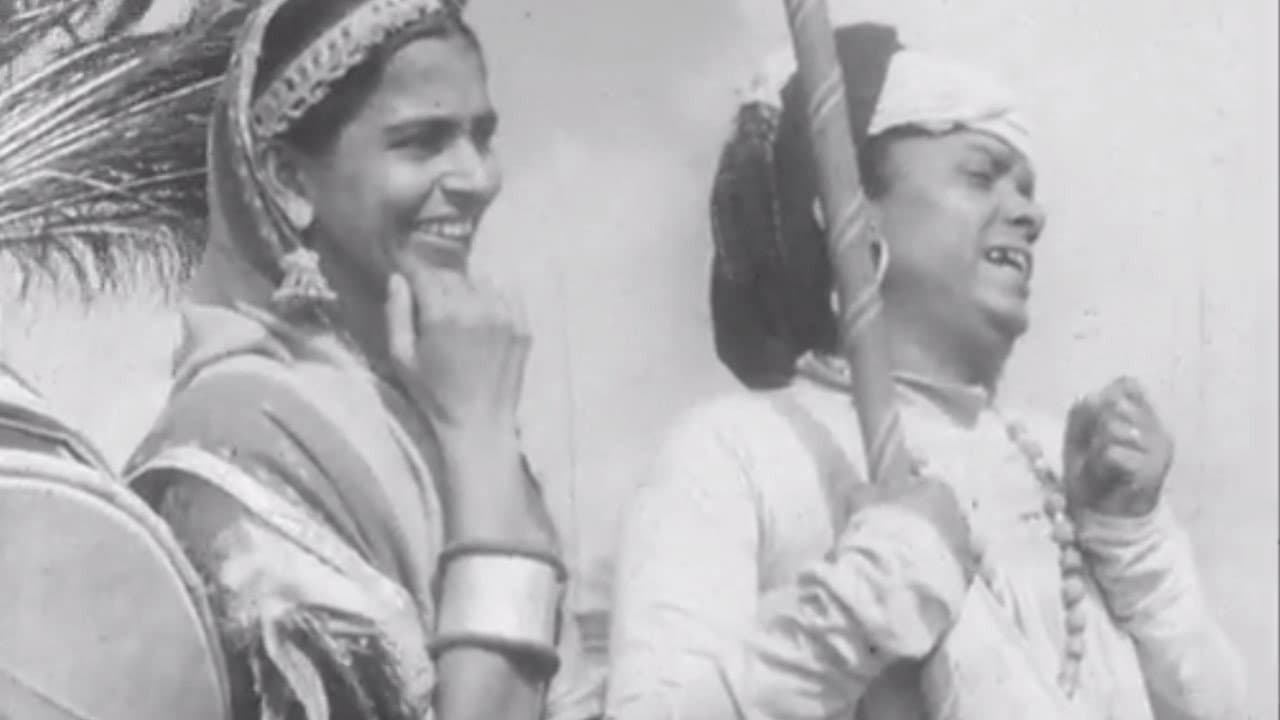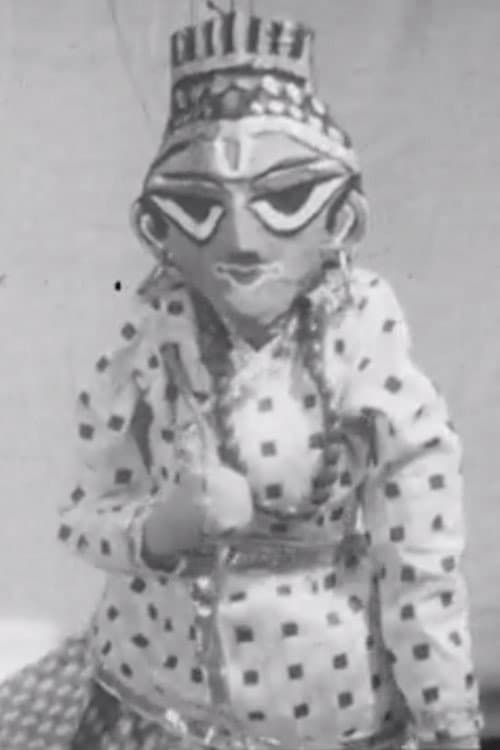
Audiences who turned out for Ramayana this week found something far removed from the star-driven spectacles dominating Tamil screens, and the response suggests the detour was worth it. The 26-minute documentary from director Robin Hardy, first released on January 1, 1965, captures the Little Ballet Troupe of Bombay staging a "puppet ballet" interpretation of the Hindu epic. Social media chatter since the screenings has been overwhelmingly warm, with fans celebrating the film's revival in unmistakably enthusiastic terms - one widely shared reaction summed up the mood as "the fans celebrated it to the finish, boss."
That reaction is notable for a film that runs barely half an hour and carries Genres: Documentary classification rather than the conventional drama label. It is an English-language work, and it enters the current conversation through the Kollywood industry, a detail that has itself become a talking point among viewers curious about how a six-decade-old English documentary found fresh traction with Tamil cinema audiences.
A Different Kind of Epic on Screen
The appeal, according to those who attended, lies in the novelty of the form. Hardy's camera does not attempt a narrative retelling of the Ramayana in the usual sense. Instead, it documents puppeteers and performers of the Little Ballet Troupe as they bring the epic to life through marionettes and choreographed movement, treating the ancient story as a vehicle for craft rather than spectacle. For viewers accustomed to large-scale mythological productions, the film's quiet, observational approach appears to have landed as a genuine discovery rather than a nostalgia exercise.
The casting information for the film is not documented, and the performers captured on screen - both the visible troupe members and the unseen artists operating the puppets - remain uncredited in available records. That anonymity has not dampened enthusiasm; if anything, audiences have treated the film as a window into a tradition that rarely receives the spotlight.
Reception and the Question of Ratings
One anomaly worth flagging for readers who rely on aggregate scores: the film currently registers a 0-out-of-10 rating on TMDb, a figure that reflects the near-total absence of logged user votes rather than any assessment of quality. Given the small footprint of a 1965 short documentary, the score carries little weight, and the current wave of audience appreciation stands in sharp contrast to that empty data point. The disconnect is a useful reminder that crowd-sourced numbers often say more about visibility than about merit.
What the current screenings have demonstrated is a word-of-mouth energy that no rating could manufacture. Viewers have described the experience as something to be shared, with the celebratory tone of the reactions suggesting a communal event rather than solitary viewing. For a film that has spent decades in the margins of film history, that response represents a meaningful second life.
Why a 1965 Documentary Is Resonating Now
The timing is not accidental. Interest in traditional performing arts has been climbing among younger audiences, and the Ramayana remains a source text that each generation reinterprets. Hardy's film sits at an unusual intersection of documentary, puppetry and mythology - three strands that rarely meet on screen. Its brevity, at just 26 minutes, also makes it approachable for viewers sampling older material between new releases.
Hardy, who would later become known for very different work, approaches the troupe with a documentarian's patience. There is no voice-over grandstanding and no attempt to modernize the source. The film trusts the puppetry to carry the emotional weight, and contemporary audiences appear to have responded to exactly that restraint.
The Kollywood Connection
The film circulates under the Kollywood industry banner in its current listing, and that framing has driven much of the conversation. Tamil audiences have long held a proprietary relationship with the Ramayana on screen, and encountering an English-language documentary treatment from the mid-1960s offers a fresh vantage point. The enthusiasm in the reactions - the sense of having collectively discovered something - is characteristic of a fanbase that takes mythology seriously and rewards sincerity.
Whether this momentum translates into wider availability remains to be seen. No distributor announcements or expanded screening plans have been confirmed, and the film's archival status means access will likely stay limited. For now, the story is simpler: a small, half-century-old documentary about puppets and prayer found an audience that was ready for it, and the fans, as the saying goes, celebrated it to the finish.
For readers tracking the film, the essentials bear repeating. Ramayana, directed by Robin Hardy, is a 26-minute English-language documentary from 1965, produced in association with the Little Ballet Troupe of Bombay, and it remains the rare epic retelling where the smallest performers - the puppets - do the heaviest lifting.
Source: Filmibeat Tamil