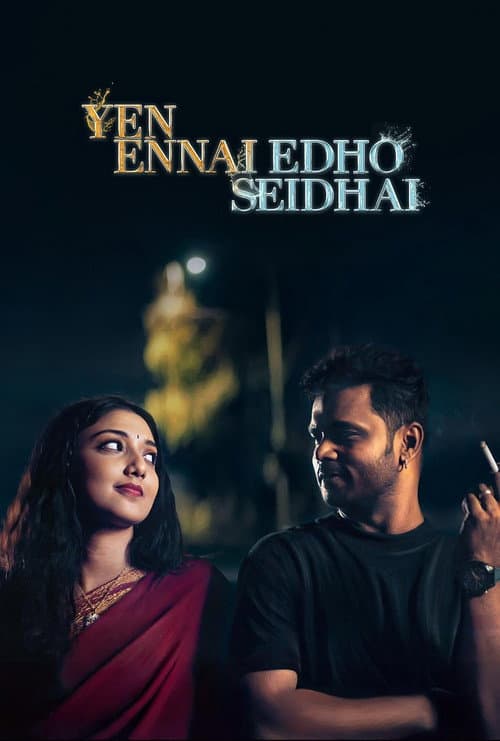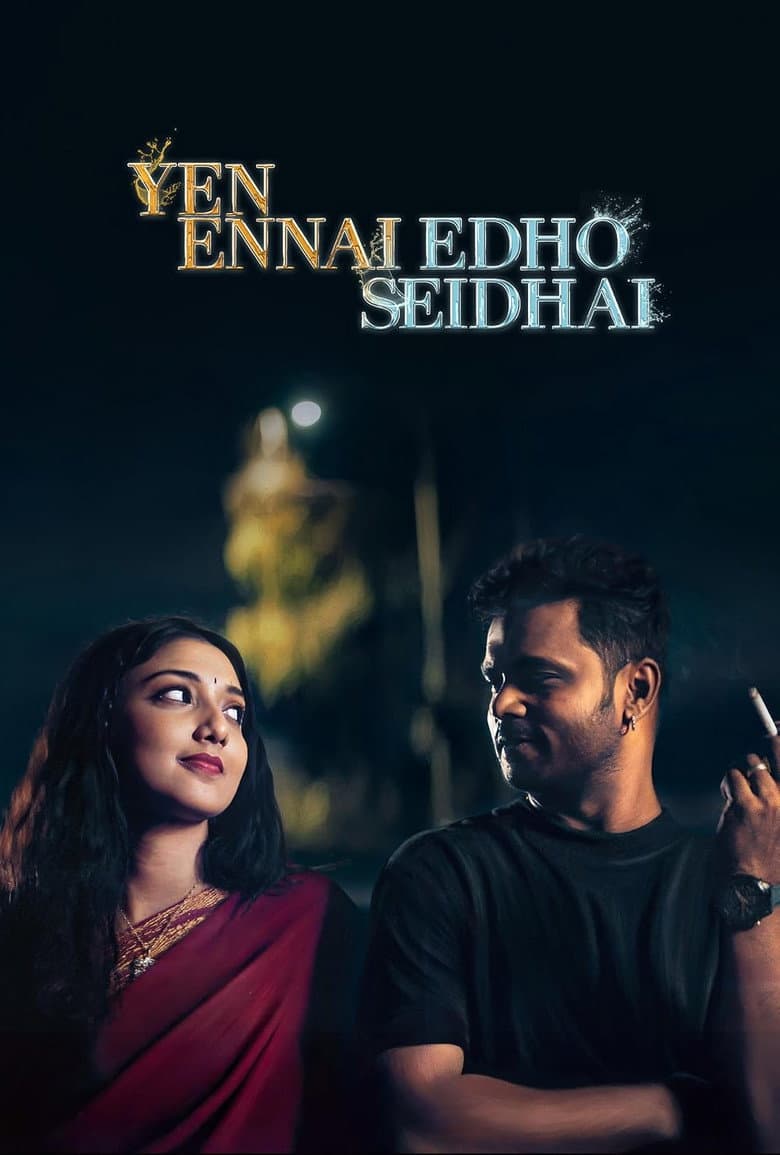
The air in the theater felt thick with unspoken grief on Friday night. When the final frame of Yen Ennai Edho Seidhai faded to black, a collective exhale rippled through the audience. No one rushed for the exits. We sat there, pinned to our seats by a story that had somehow reached into our own chests and rearranged something vital. Just three days into its theatrical run, Dominic Rosario Raj Anthony’s latest labor of love is not merely a film; it is an intervention.
At its deceptive core, the plot sounds simple: a broken man, a patient woman, and the slow, unglamorous work of healing. But to call it a romance would be like calling the ocean a puddle. Our protagonist, played with raw, disarming vulnerability by the director himself, is not your typical Kollywood hero. He does not punch walls or deliver thundering monologues. Instead, he inhabits a kind of emotional paralysis, a young man so deeply trapped in darkness that the simplest act of existing feels like a betrayal of some internal wound. The opening act is deliberately suffocating, a visual and sonic landscape of muted grays and hollow silences that mirror his psychological prison.
Then enters Madhu, portrayed by the luminous Madhumita Das. And here is where Yen Ennai Edho Seidhai transcends its genre. Madhu is not a manic pixie dream girl, nor a savior with a megaphone. She is quiet, observant, and achingly present. Her love is not a thunderclap; it is a steady drip of water on stone. She does not try to fix him, but rather stands beside him in the rubble, patiently pointing out the pieces of himself he has forgotten. Das delivers a performance of profound maturity, grounding the film’s more ethereal themes in a tangible, earthly warmth. When she speaks, it feels like she is softly negotiating with a frightened animal, coaxing it back from the edge.
What strikes you most is the director’s fearless patience. Dominic Rosario Raj Anthony, who also steers the ship, understands that trauma is not a plot point to be resolved in a montage. The 150-minute runtime (yes, it is a long sit) is earned through meticulous, almost novelistic pacing. He allows scenes to breathe, letting silences stretch until they become uncomfortable, then revelatory. One sequence, a wordless dinner scene where the protagonist shatters a glass and flinches as if expecting a blow, is a masterclass in visual storytelling. The camera holds steady, and we are forced to witness his shame without the safety of a cutaway. It is devastatingly effective.
Supporting turns from seasoned stalwarts Jeeva Ravi and Regin Rose lend a gravitas that anchors the narrative in reality. The ensemble, including Alam Shah, Navya Suji, Mathangi Sathish, and Riya Manoj, function not as mere props but as the ecosystem that either suffocates or sustains our leads. Each glance, each hesitant gesture from these peripheral characters, contributes to the film’s central thesis: healing is rarely a solitary act.
Visually, the cinematography performs its own quiet miracle. The palette does not explode into garish color when hope arrives; instead, light shifts by degrees, like dawn bleeding into a long night. Early scenes are drenched in shadow and rain, while the latter half introduces amber tones and the blue of a clear sky, never overstated, always felt. This restraint extends to the score, which wisely avoids melodramatic swells, opting instead for minimalist piano and ambient textures that hum beneath the dialogue, feeling more like a heartbeat than a soundtrack.
The film’s power lies in its refusal to offer easy catharsis. There are no grand speeches where the protagonist declares himself cured. Instead, recovery is shown in micro-movements: a hand reaching out for the first time, a genuine laugh that catches him off guard, the courage to look Madhu in the eye without flinching. It is in this honest, unglamorous depiction of recovery that Yen Ennai Edho Seidhai finds its soaring, humanistic truth. It suggests that love’s greatest power is not in erasing pain but in building a bridge across it, guiding someone from self-destruction not with force, but with the simple, relentless promise of a tomorrow.
We have seen countless Tamil dramas about loss, and even more about romance. But rarely have we seen them merged with such surgical honesty. Yen Ennai Edho Seidhai is not an easy watch; it is a demanding, emotionally rigorous journey. But for anyone who has ever felt untethered, or who has loved someone lost in their own head, it is an essential one. It leaves you with a strange, aching hope, whispering that even the most fractured soul can be taught, gently and patiently, to let the light back in. Go see it. Let it work on you. And when the lights come up, you might find, like I did, that a small piece of your own darkness has been quietly escorted out the door.