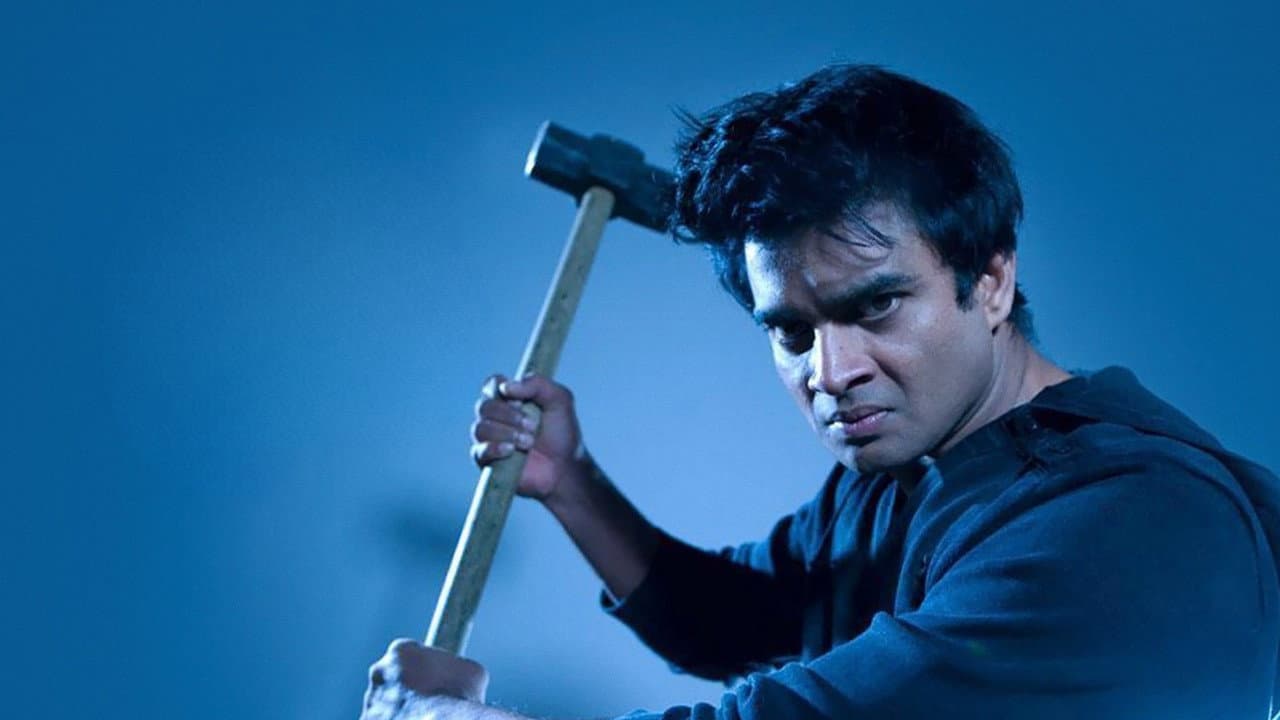
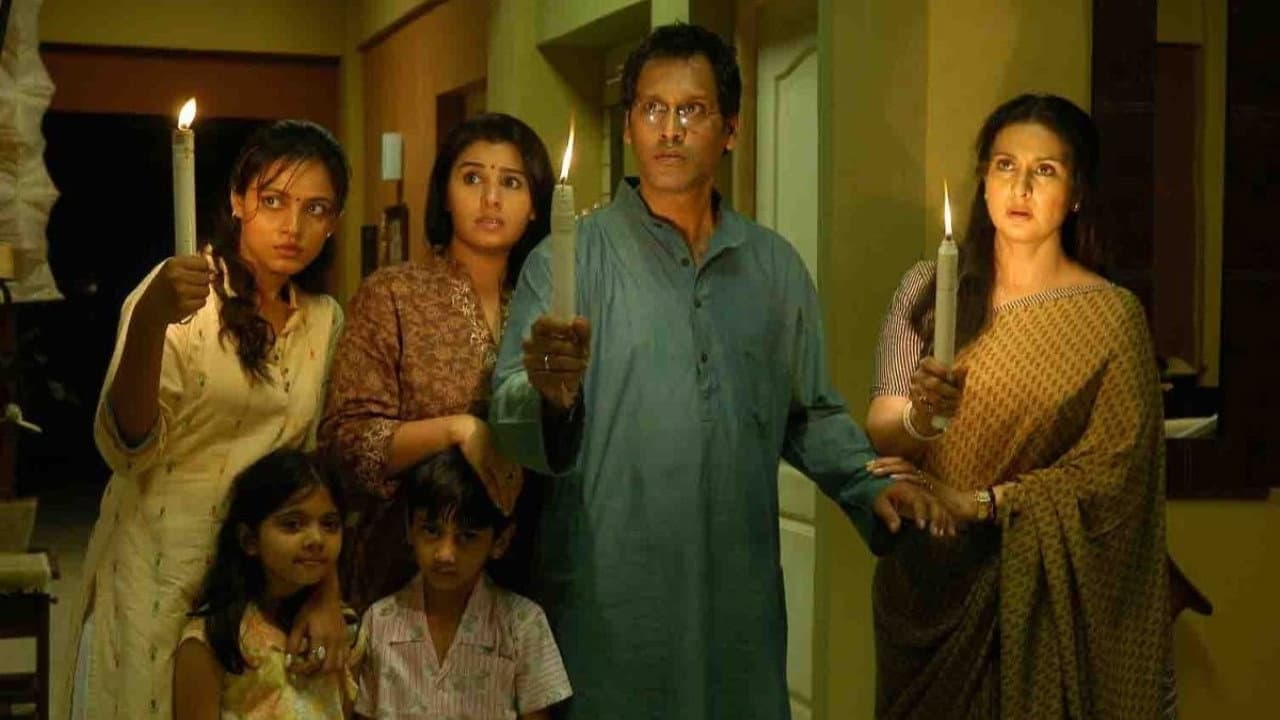
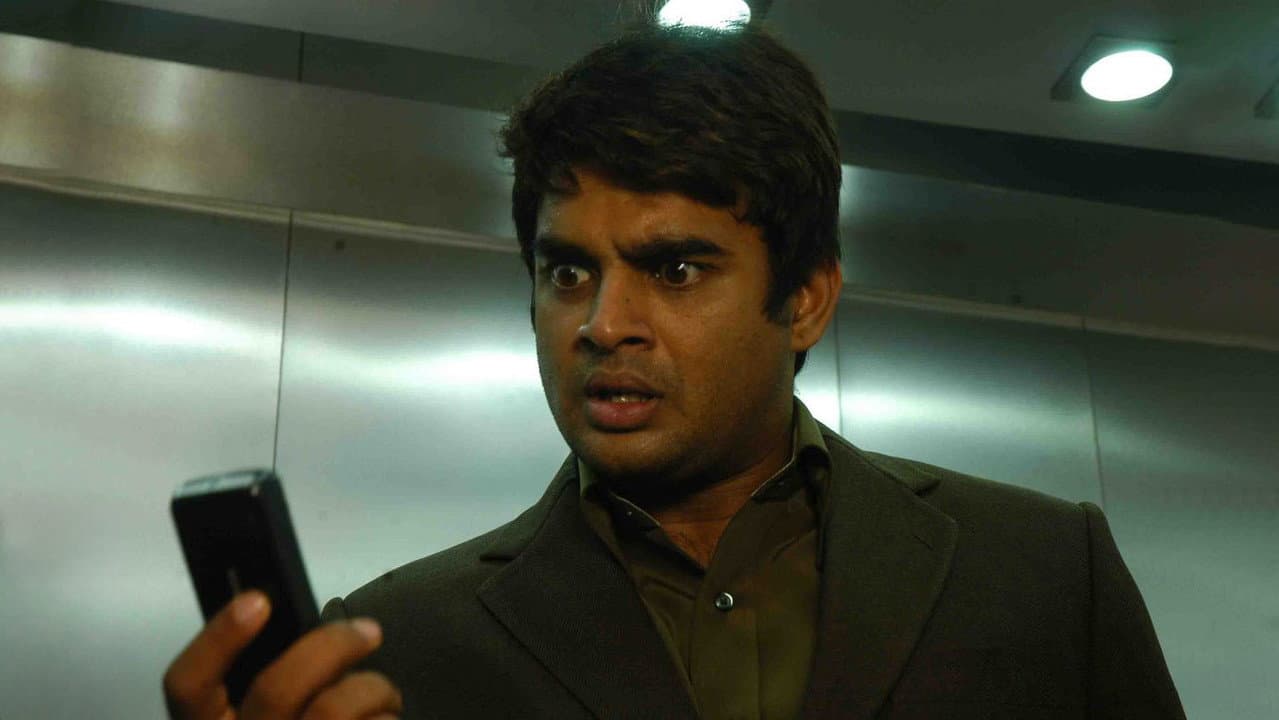
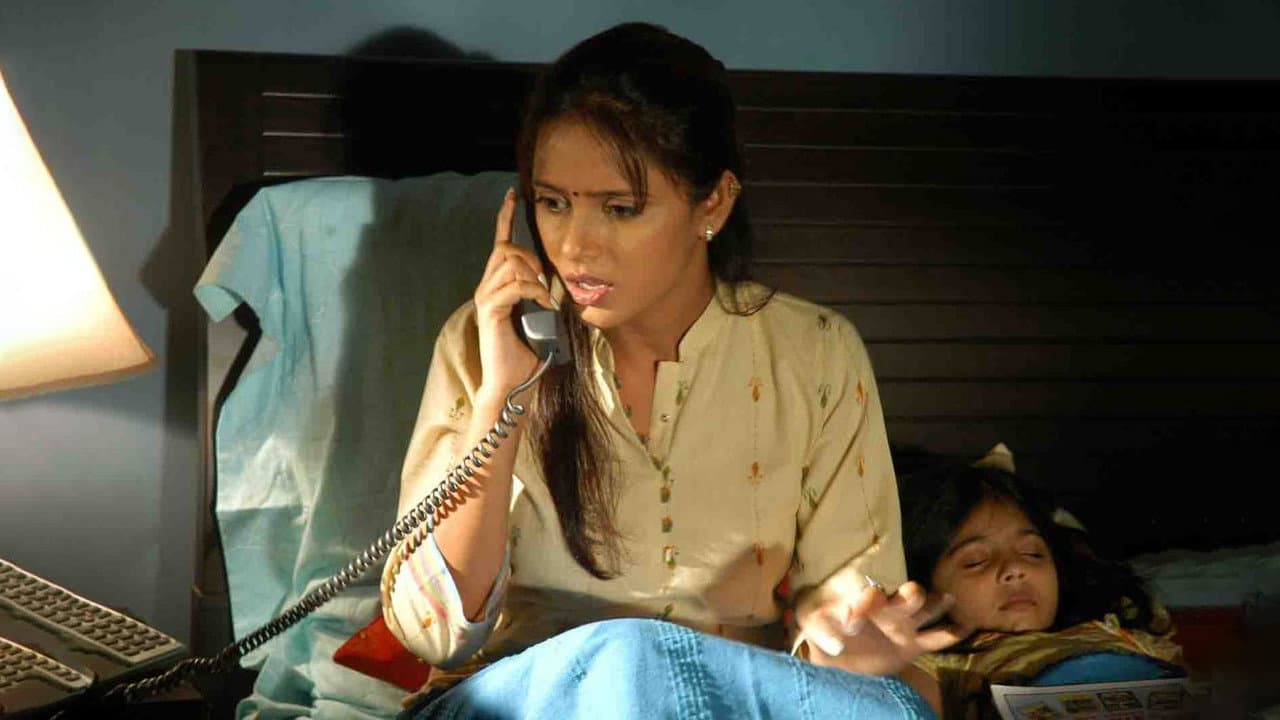
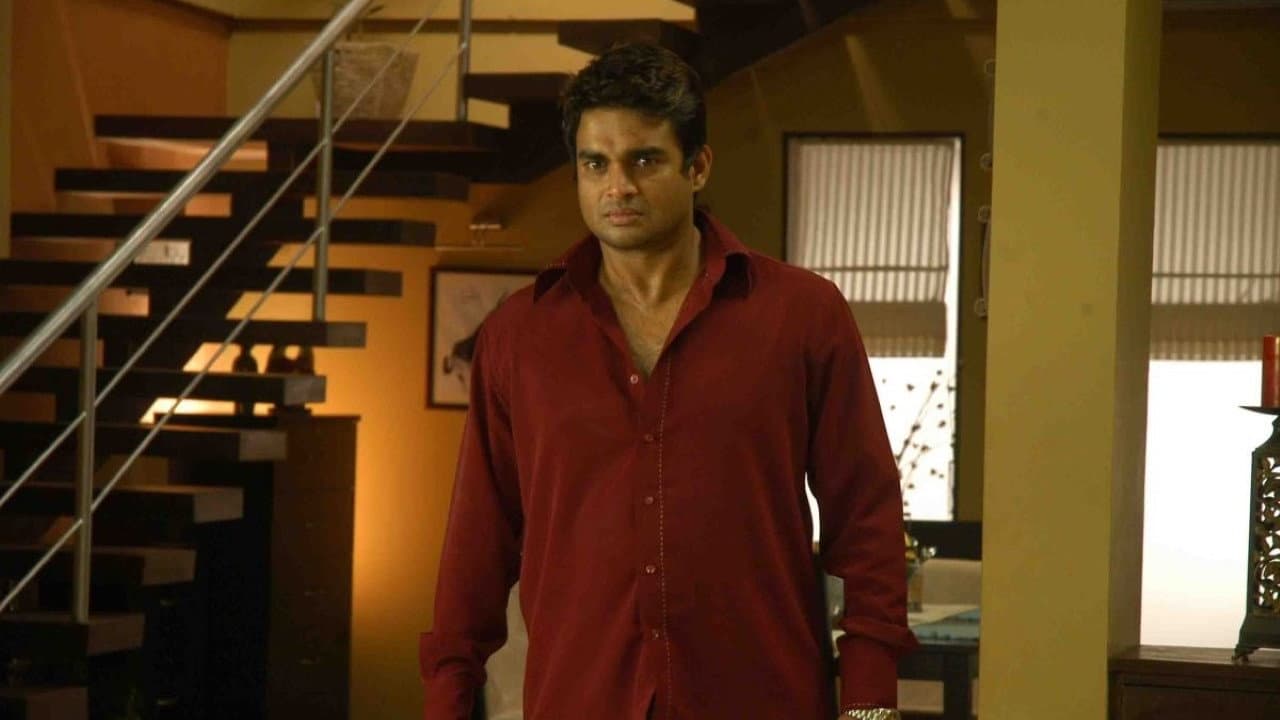
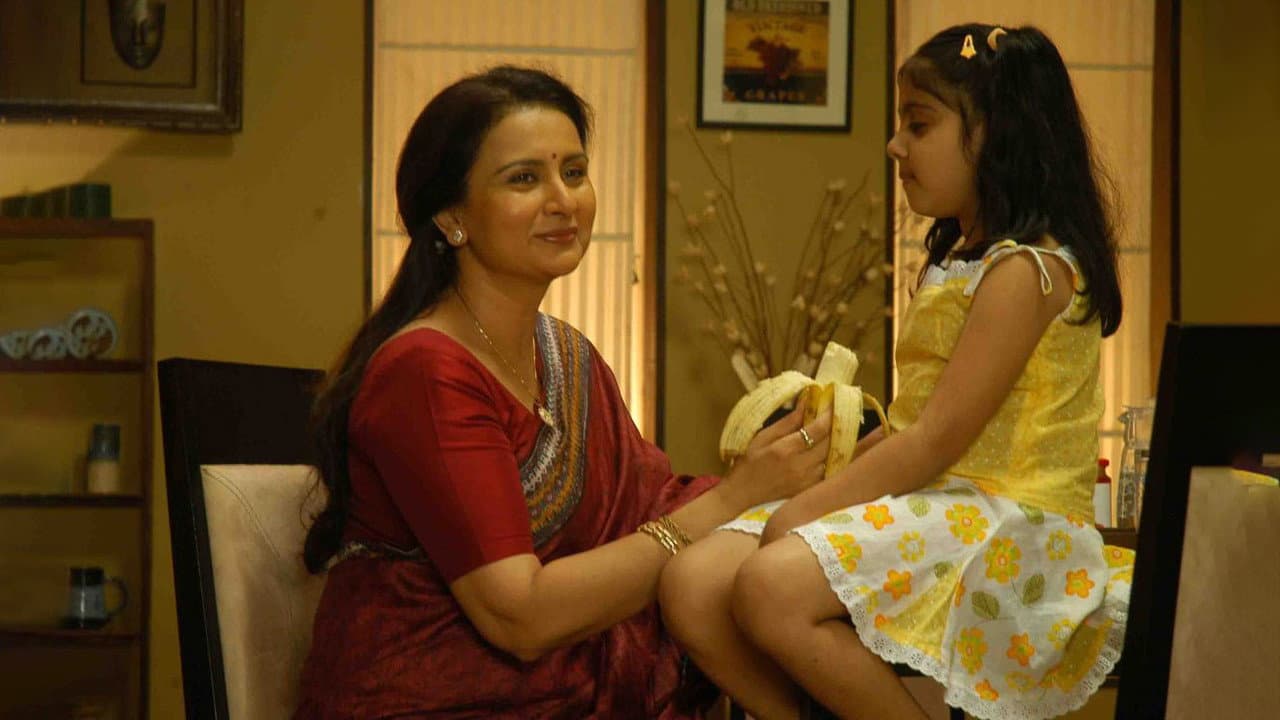
Manohar (Madhavan), a successful architect, moves into a sprawling new apartment on the 13th floor with his wife Priya (Neetu Chandra) and his elderly mother (Saranya Ponvannan). The address is auspicious on paper, but from the first night, something is off. Lights flicker. The television switches on by itself. And then, the screen begins to display cryptic messages - numbers, names, warnings. The spirit behind these transmissions is not malevolent in the traditional sense; it is trapped, desperate, and using the family’s TV as a lifeline to communicate a buried truth about a series of deaths in the building. Manohar, a rational man, initially believes in a technical glitch, but as the messages escalate into visceral nightmares and physical threats, he teams up with his skeptical brother-in-law Dr. Balu (Sachin Khedekar) to uncover the building’s violent past. The film unfolds as a puzzle-box mystery, where each TV transmission reveals a new piece of a communal crime.

Yavarum Nalam Review: Chilling Horror & Mind Games
A family moves into a new apartment, only to face a terrifying supernatural force that communicates through their TV in this chilling Tamil horror.
Director
Vikram Kumar
Language
TA
Release
2009-03-06
Runtime
137 min
Quick Verdict
Nearly two decades after its release, Yavarum Nalam remains a quiet landmark in Tamil horror - a film that understood that true dread comes not from jump scares, but from the slow erosion of domestic peace. Director Vikram Kumar, working with a modest budget and a committed R. Madhavan, delivered a taut, inventive thriller that still feels fresher than most of the CGI-laden horror of the past few years. It’s not flawless, and its pacing may test the TikTok generation, but for fans of psychological horror with a clever gimmick, this is essential viewing. 7/10 - a smart, moody chiller that aged gracefully.
Story
Review
The genius of Yavarum Nalam lies in its restraint. Vikram Kumar understands that horror is often about what you don’t show. The ghost is never fully visualized; it exists as a flickering afterimage, a cold draft, a distorted voice crackling through static. Madhavan, in a performance that anchors the film, moves from calm disbelief to frantic terror with a naturalism that prevents the story from tipping into melodrama. His Manohar is a regular guy - not a hero, just a husband and son trying to protect his family.
The screenplay, co-written by Kumar, is elegantly structured. The first act builds tension through atmospheric details: the elevator that stops at every floor, the neighbor who never comes out, the perfectly normal but somehow sinister hum of the air conditioner. The second act shifts into investigative mode, and this is where the film wobbles slightly. The exposition-heavy middle section, where Dr. Balu explains the science of spirit communication, feels like a lecture in a horror movie, and a few scenes between Madhavan and Neetu Chandra (who is adequate but underutilized) stall the momentum.
Yet the third act rewards patience. The climax, which involves a nerve-shredding sequence inside a soundproofed TV studio, is pure suspense. The use of the television as a gateway is not just a clever hook - it’s a metaphor for how we numb ourselves to the suffering around us, flicking channels to avoid uncomfortable truths. The film’s moral weight, about community silence and buried secrets, elevates it above the average horror flick.
Technically, the film is solid. Cinematographer P. C. Sreeram (uncredited in the metadata but a key contributor) uses long takes and deep shadows to make the apartment feel claustrophobic even when it’s empty. The sound design is the real star: the low-frequency hum of the TV, the scratch of a chalkboard, the unnerving silence of a broadcast gone dead. G. V. Prakash Kumar’s background score is effective, though the song placements - particularly the romantic number in the first half - feel shoehorned in for commercial viability.
Spoiler-light note: Unlike many Indian horror films that explain away the supernatural with a “it was all a dream” or a twist villain, Yavarum Nalam commits to its ghostly premise and gives it a satisfying, tragic resolution. The final shot, a static TV screen, is haunting.
Pros & Cons
Pros
- Madhavan delivers a career-best performance in the genre - subtle, relatable, and never overacting.
- Clever central conceit (TV as a medium) is used consistently and creatively.
- Genuine atmosphere; few jump scares, deep dread.
- Sound design and silence are used as effectively as any visual scare.
- Third-act payoff is both emotionally satisfying and logically sound.
- No pandering to comedy tracks or forced romance; the film takes itself seriously.
Cons
- Second act sags under exposition; Dr. Balu’s scientific explanations slow the pace.
- Neetu Chandra’s character is underwritten; she exists mostly to react.
- The Hindi version’s dubbing (Murali Sharma for Ravi Babu, Poonam Dhillon for Saranya) disrupts the original Tamil film’s authenticity - watch the Tamil cut.
- Some visual effects (the ghostly apparitions) are dated by 2026 standards.
- The runtime of 137 minutes feels 10-15 minutes too long; tighter editing would help.
- The romantic subplot between Manohar and Priya is barely sketched, leaving emotional stakes thin.
Rating Breakdown
Final Verdict
Yavarum Nalam is a rare breed of Tamil horror - intelligent, restrained, and genuinely unsettling. It respects its audience enough to build dread slowly, and it uses its television gimmick not as a crutch but as a narrative engine. Yes, the second act drags, and the female lead deserved more depth. But when the film works - and it works for most of its runtime - it achieves what the best horror does: it makes the familiar terrifying. The 13th floor might be unlucky for Manohar, but for lovers of slow-burn horror, this is a lucky find.
Recommendation: Watch the original Tamil version with subtitles. Dim the lights. Turn off your phone. And definitely, unplug the TV.
Cast

R. Madhavan
Manohar

Neetu Chandra
Priya

Sachin Khedekar
Dr. Balu

Ravi Babu
Shiva

Murali Sharma
Shiva (Hindi Version)

Saranya Ponvannan
Manohar's Mother

Poonam Dhillon
Manohar's mother (Hindi Version)
Sanjaih Bokaria
Manoj
Amitha Rajan
Deepa
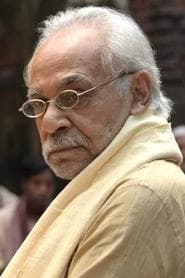
Dhritiman Chatterjee
Mr.Thyagarajan / Mr.Kamdhar

Deepak Dobriyal
Senthil / Ashok

Sampath Raj
Advocate Ramachandran / Advocate Ram Charan
Gallery