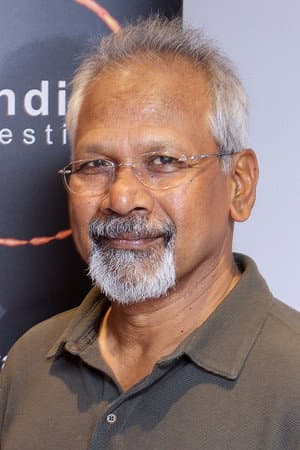
Vishnu Vishal did not arrive in Tamil cinema fully formed. He found a lane the industry was not crowding at the time, the lane of the unremarkable man, and then spent years widening it. He came to the screen from sport rather than from drama school, and the parts he took early on reflected that. He played people close to his own background: small town, modest ambition, obstacles that were never heroic in scale. What makes the body of work worth examining is how consistent that thread has remained even as the genres around him shifted. The confirmed filmography available for him spans from 2009 to 2026, and across it the central figure stays recognisable. Below is a look at how that career was built, film by film, and where it leaves him.
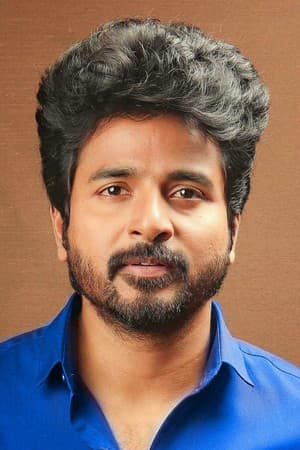
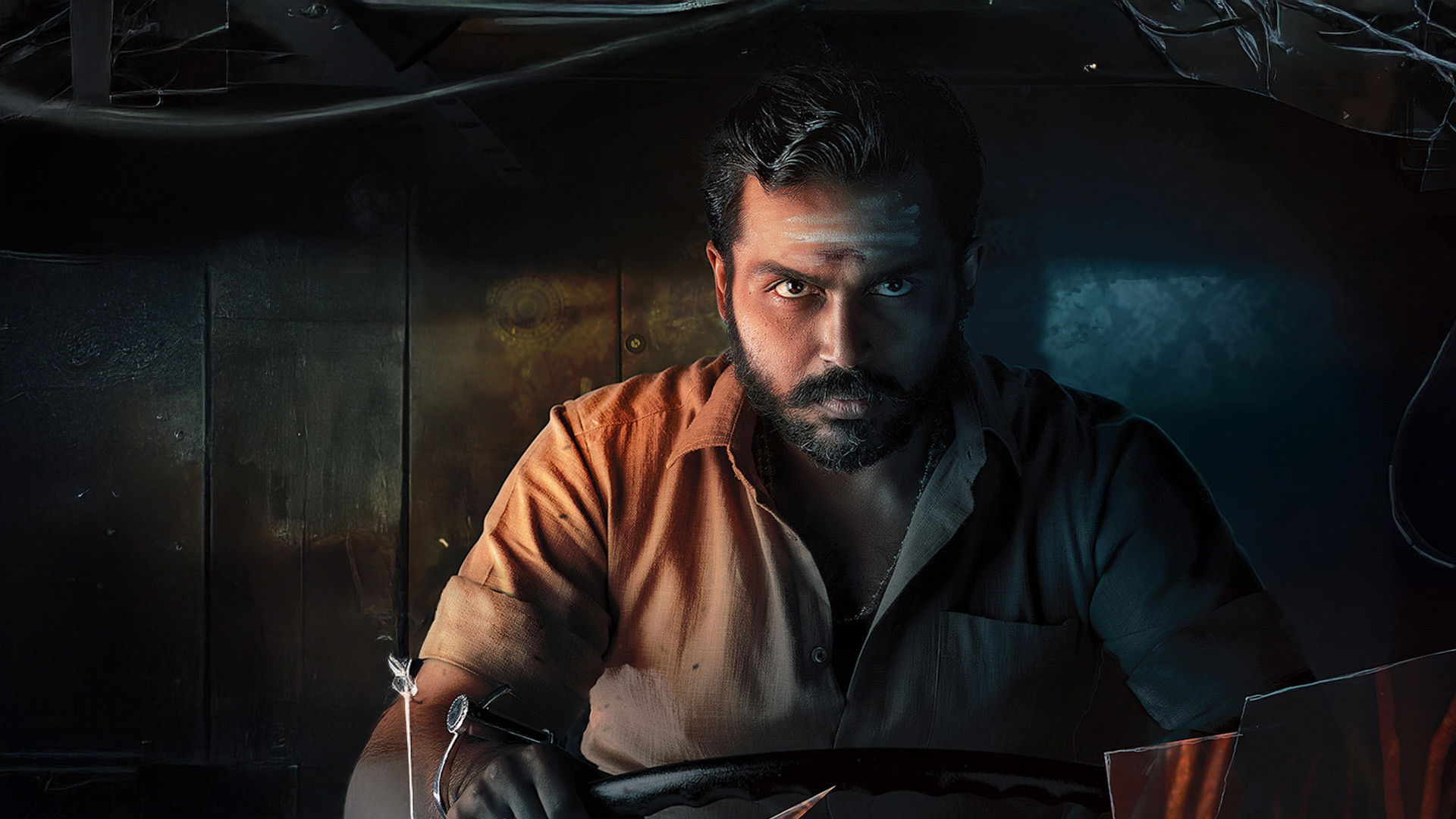 Photo: TMDb
From Kabaddi Field to Fisherman's Shore
Vishnu Vishal began in Tamil cinema with Vennila Kabadi Kuzhu (2009), playing Marimuthu in a sports film about a village kabaddi team. The role announced a screen presence that did not depend on glamour. It depended on ordinariness made specific: a young man from a small place, with small hopes, caught in circumstances larger than himself. Tamil cinema at the time had plenty of room for large personalities and very little for this. That he got a lead at all was something of a gamble, and the film's reception suggested the gamble was worth taking.
Three years later came Neerparavai (2012). As Arulappasamy, a fisherman whose disappearance frames the story, he gave the performance that first suggested range. The film moves through a murder investigation and a confession, and the fisherman at its centre is remembered in flashback: a loving husband destroyed by disputes over territorial waters. The part required him to be the emotional anchor of a narrative he does not survive, and he carried it. An audience learns a great deal about a performer when the performer has to hold a story together while being absent from its present tense.
Between those two films he worked steadily without becoming a fixture of the biggest productions. Mundasupatti (2014) placed him in a period comedy as Gopi, a photographer in a village where being photographed is taboo. The film's humour depended on his timing rather than his charisma, and it showed audiences a lighter register he could sustain across a full running time. Comedy is often the hardest test of a performer whose strength is naturalism, because the temptation is to reach for the joke. He did not.
A String of Films That Redefined His Reach
Indru Netru Naalai (2015) cast him as Elango in a time travel story. Time travel is a genre Tamil cinema approaches rarely, partly because it demands a performer who can treat an impossible premise as an ordinary problem. The film's puzzle structure rested on his ability to react plausibly to the impossible, which is harder than it sounds.
The turning point arrived with Ratsasan (2018). As SI Arun Kumar, a police sub inspector tracking a serial killer, he anchored a psychological thriller that became the film most widely associated with his name. The role was not that of an action hero. It was that of a man out of his depth who keeps going anyway. That distinction matters, because the thriller works only if the investigator feels genuinely overmatched. That same year he appeared in Silukkuvarupatti Singam (2018) as Sathyamoorthy IPS, a police officer in a comedy, showing that he could take the uniform in two entirely different directions within months. He also served as producer on that film.
Kaadan (2021) gave him Maaran, a part set against a conflict between humans and elephants. The film was a departure into environmental drama, and his presence kept it grounded when the scale grew large. Then came Gatta Kusthi (2022), where he played Veera, a man with rigid ideas about what a wife should be, who marries Keerthi, a wrestler who is more educated than him and wears her hair short. The comedy turns on his slow, painful discovery of his own foolishness. It is the kind of role that could easily become a punching bag, and he played it with enough self awareness to keep the audience on side. He also produced the film, a step that marked a shift in how he operated within the industry. In Tamil film vocabulary, a producer is the person who arranges and oversees the financing of a film, often shaping which projects get made at all. Taking that role on his own work meant his influence extended beyond the performances audiences see.