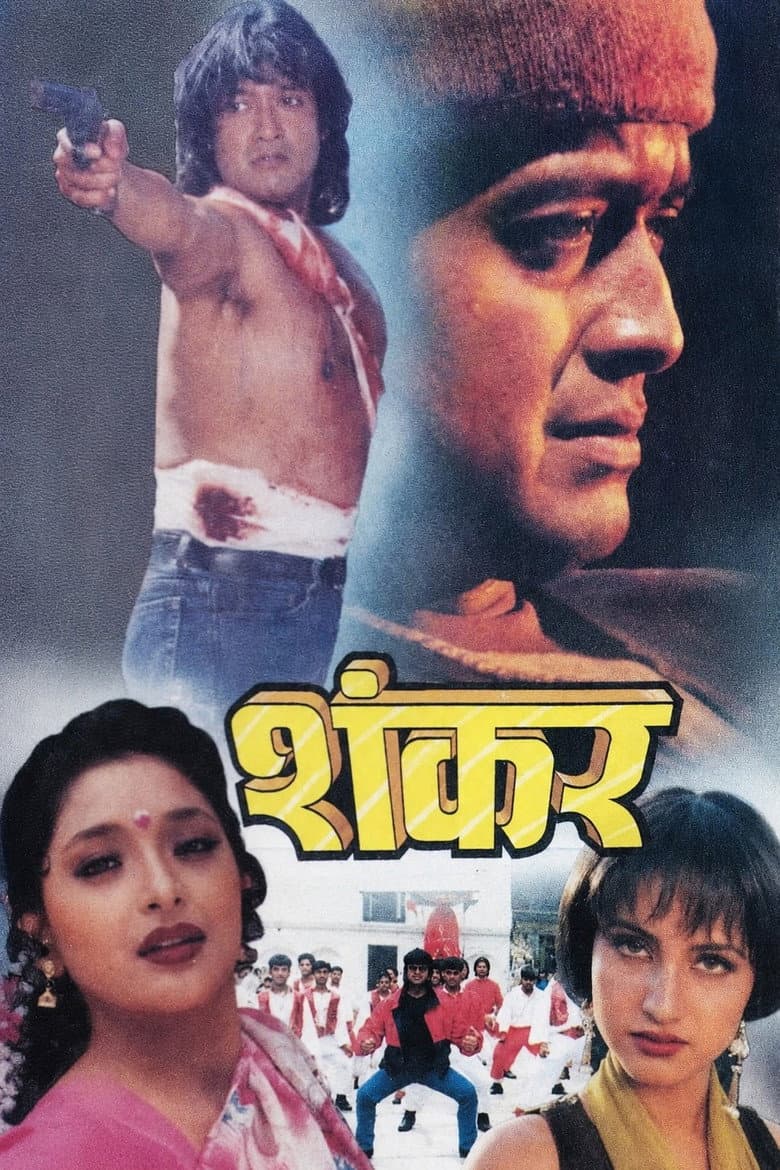
Shankar Shanmugam directs, produces and writes. His name sits on some of the biggest Tamil films ever made. The films share a temperament. A wronged figure decides the system will not correct itself, so he corrects it. Social issues occupy the centre, not the edges. Technology is the spectacle and often the problem at once. For a filmmaker who has moved between genres, the body of work is unusually consistent.
A piece of vocabulary first. VFX, or visual effects, means imagery created or altered on a computer rather than captured on camera. Six of his films have won the National Film Award for Best Special Effects. That fact says as much about his working method as any plot summary.
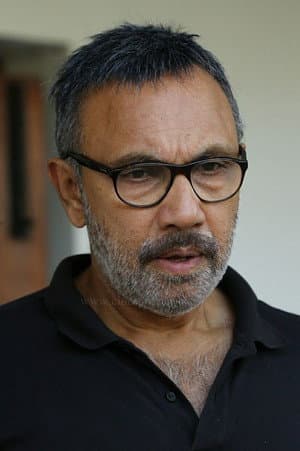
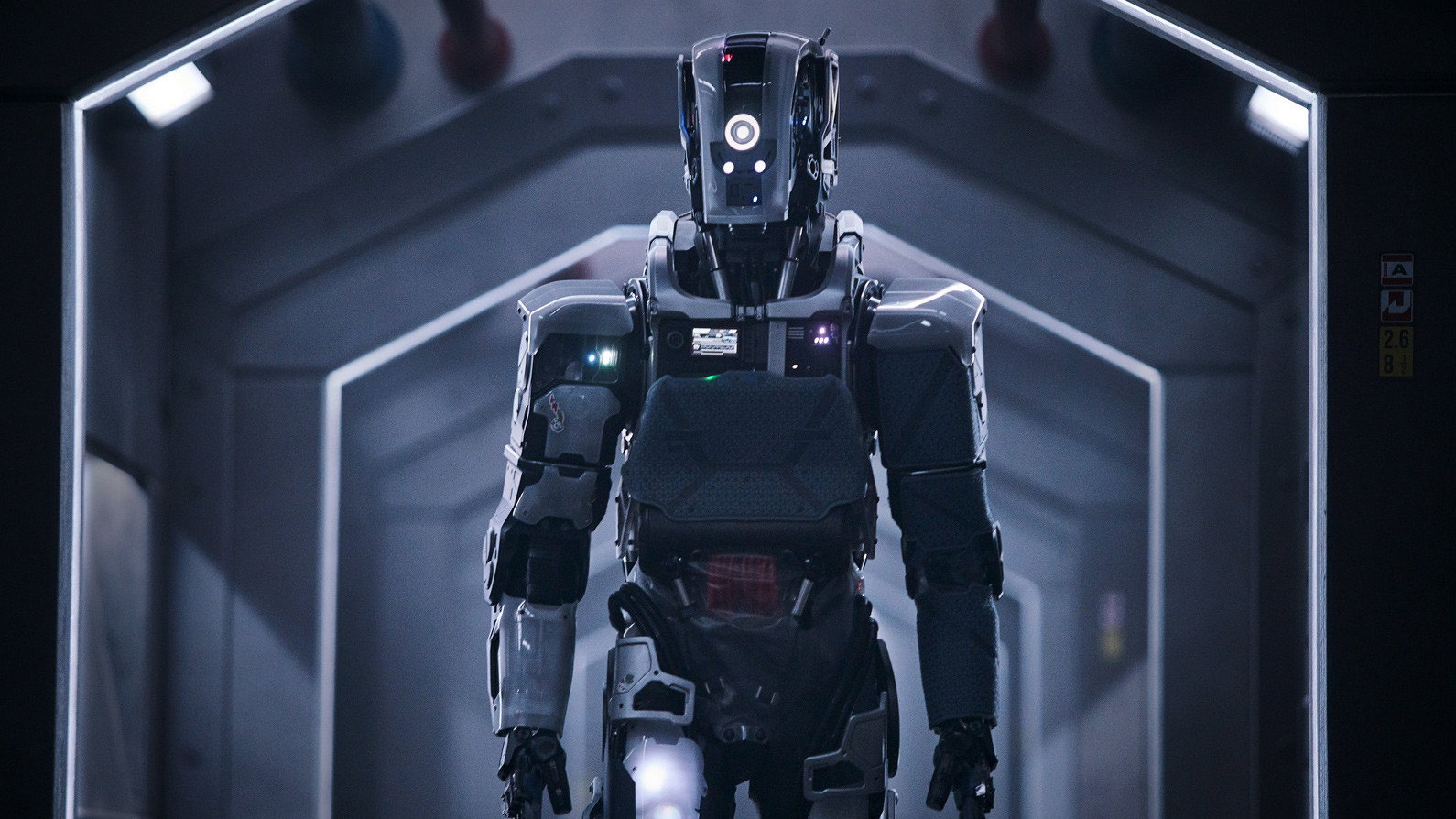 Photo: TMDb
The Signature: Vigilantes, Technology, And A Message
Shankar: The Films And The Filmmaking is not a story of one genre. It is one argument told many ways. A wronged figure. An institution that fails. A decision to act anyway. That shape recurs from his earliest work to his most recent.
The vigilante premise is the spine. Indian (1996) established it, with Shankar directing and writing the screenplay and story, and it set the template he would return to. Mudhalvan (1999) broadened the frame; he directed, produced and wrote it. Jeans (1998) came first, again with Shankar directing and writing. Together the two showed he could hold a mainstream audience while carrying a theme.
Anniyan (2005) is his most concentrated study of rage. A meek lawyer develops a split personality: one half a vigilante punishing evildoers, the other a playboy capable of winning the woman he loves. The three sides collide. Shankar directed and wrote it, and the film states his interest cleanly: what ordinary people do when institutions fail.
Boys (2003) and Sivaji: The Boss (2007) tightened his grip on the mainstream. Sivaji: The Boss carried story, screenplay and direction credit, and it sits among the films that made his name shorthand for a certain size of production.
I (2015) pushed physical transformation further. A deformed man kidnaps a bride and holds her hostage. Flashbacks reveal his connection to her and to his targets as he seeks revenge. Shankar wrote and directed it.
Then the machines. Enthiran (2010) introduced Chitti, a powerful robot built in his creator's image. Rejected by the scientific body AIRD for lacking human behaviour, Chitti gains feelings after a lightning strike, falls in love with the creator's fiancée, and turns against him. 2.0 (2018) returned to the character as an upgraded version facing an ornithologist who returns as a fifth force to avenge birds harmed by mobile phone radiation. These two titles are the ones most likely to have reached viewers who follow no other Tamil film.
Indian 2: Zero Tolerance (2024) returned to the vigilante world with the original lead. Nanban (2012) shows a different register; he directed and wrote the screenplay. Imsai Arasan 23rd Pulikecei (2006) shows another side again, with Shankar credited as producer rather than director.
Where He Sits, And Why The Name Matters
Shankar sits at the commercial centre of Tamil cinema, but he is not a pure entertainer. The films are built for scale, then used to argue something about corruption, technology, or collective failure. That combination is rarer than it sounds, and it explains why his name carries weight with audiences and backers alike.
He returns to a small set of subjects. Corruption in public life. Technology as a promise that curdles. The ordinary person who has waited long enough. Even the robot films are, underneath, about a creation that outgrows its maker's intentions. Contemporary social issues, vigilante themes, and state of the art technology and VFX: three threads he keeps picking up.
For a reader outside the region, the name is a useful entry point. 2.0 is the highest grossing Tamil film of all time and the tenth highest grossing Indian film overall, and Enthiran travelled widely, so a viewer who liked either is already inside his world. From there, Indian (1996), Mudhalvan (1999) and Anniyan (2005) explain where the machine came from. Jeans (1998), Boys (2003), Sivaji: The Boss (2007), Nanban (2012), I (2015) and Indian 2: Zero Tolerance (2024) fill in the range, with Imsai Arasan 23rd Pulikecei (2006) marking him as a producer who backed work outside his own template.
That is the throughline. A filmmaker who treats scale as a delivery system for a message, and who has kept that habit across three decades of Tamil cinema. Shankar: The Films And The Filmmaking rewards a viewer who arrives for the spectacle and stays for the argument underneath it.