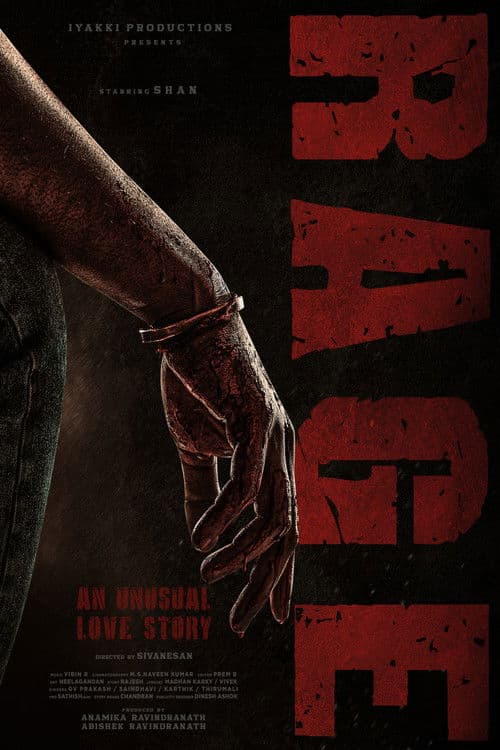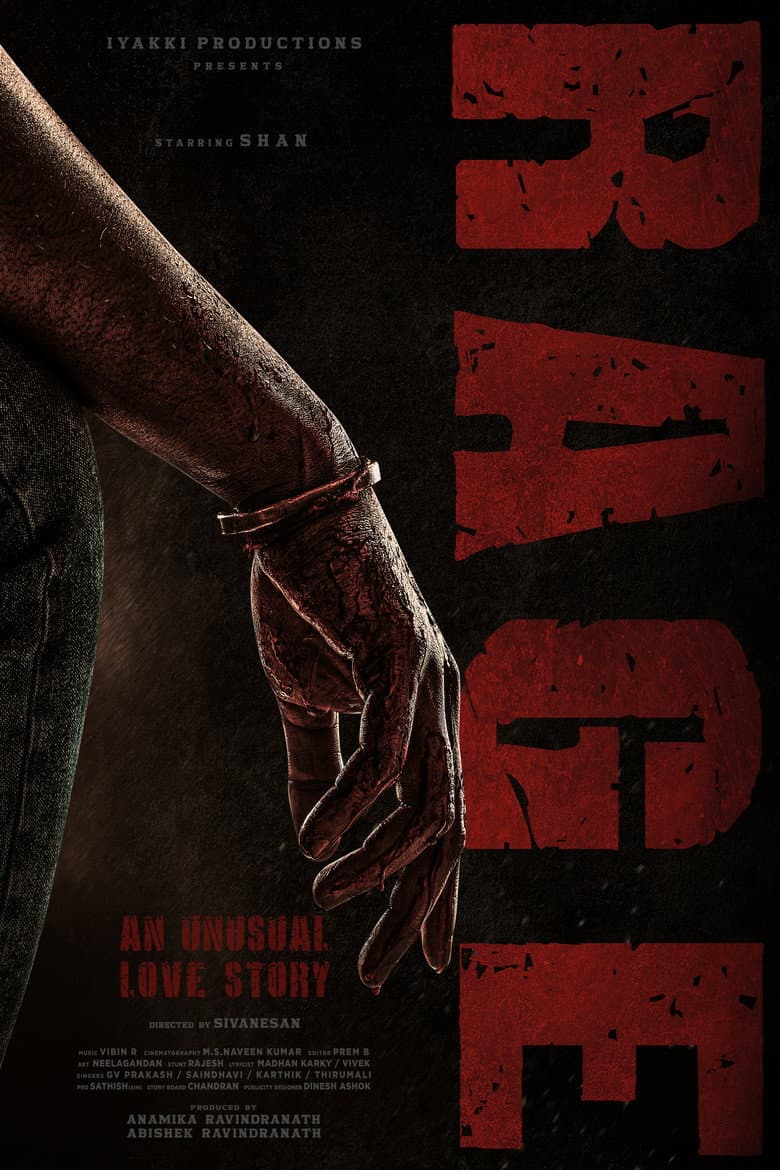
The title itself is a warning. Rage does not whisper; it detonates. Sivanesan's new Tamil thriller arrives in theatres today carrying a premise that sounds deceptively simple on paper - a taxi driver falls for a passenger - and then spends 132 minutes tearing that premise apart, thread by thread, until what's left is something far darker and far more ambitious than a doomed romance.
At its centre is Anbu, played by Shan, a driver working the routes around Kannagi Nagar. His passengers come and go, but Regina, a mute IT employee portrayed by Shirley Babithra, becomes a fixture. The film takes its time here. Sivanesan lets the routine build - the same pickup points, the same rear-view glances, the small rituals of two people sharing a car and very little else. Anbu's feelings grow quietly, and just as quietly, he buries them once he grasps the mess waiting for Regina at home. It is a mature piece of writing, the kind that understands longing is often just grief arriving early.
Then Regina dies. An accident, the authorities conclude. The film, and the audience, know better.
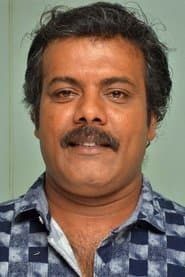
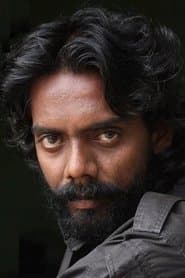
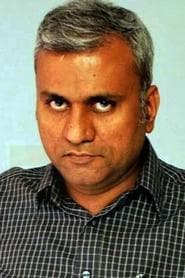
What follows is where Rage separates itself from the standard revenge template. The murder isn't the work of a single villain with a grudge; it's the result of multiple unconnected people, each pursuing their own small, self-serving motives. Arivazhagan (Saravanan), Ravi (Munishkanth), Pandi (Ramachandran Durairaj), Joseph (Manikandan Achari), Singam (Kichcha Ravi), and Muthu (Ajit Koshy) orbit the crime in ways that only gradually snap into focus. Sivanesan's screenplay treats guilt like a chain reaction rather than a single act - nobody held the knife alone, and everybody did.
It's a structurally demanding choice, and it mostly pays off. The middle stretch asks viewers to hold several threads at once, and Sivanesan trusts his cast to carry the weight. Munishkanth, so often the comic relief in Tamil cinema, gets a register here that fans haven't seen him attempt, while Durairaj brings a weary menace to Pandi that lingers after his scenes end. Shan anchors the whole thing with a performance built on restraint - Anbu is not a hero who shouts; he's a man who watches, waits, and lets his silence do the interrogation. Babithra, working without dialogue, communicates Regina's interior life through posture and gaze, and the film is smart enough to never treat her as merely the object Anbu is grieving. She is a person with a life the plot interrupts, and the screenplay respects that.
Technically, the film leans into its Kollywood roots while pushing toward something leaner. The Kannagi Nagar setting isn't decorative; it shapes the texture of the mystery, grounding a convoluted plot in a specific, lived-in geography. The editing keeps the timeline restless without tipping into confusion, and the score knows when to step back and let a scene breathe.
Where Rage stumbles is in its final act, when the tangled web of culprits begins to feel like a checklist being cleared. Some of the reveals land with real force; others arrive with a shrug, as if the film is more interested in the architecture of the conspiracy than in the emotional cost of each piece. A tighter 120 minutes might have sharpened the impact. Still, this is a minor complaint against a film that swings for something genuinely different.
In a release calendar crowded with familiar Kollywood beats, Rage is a reminder that the thriller genre still has room to surprise. It's a story about how ordinary people, each minding their own business, can collectively destroy a life - and about one man who refuses to accept that as an accident. Sivanesan has made a film that rattles around in your head long after the lights come up, which is exactly what a thriller should do.
Go in knowing as little as possible. Let the film's anger find you the way it finds Anbu: gradually, and then all at once.