Mani Ratnam: The Films And The Filmmaking rewards a slow look. The body of work is large, and the patterns inside it are easy to miss when you take the titles one at a time. Two pieces of vocabulary help readers who follow Tamil cinema from a distance. Tamil cinema means the films made in the Tamil language, mostly based in Chennai in the state of Tamil Nadu. A director leads the making of a film and shapes how the story is told.
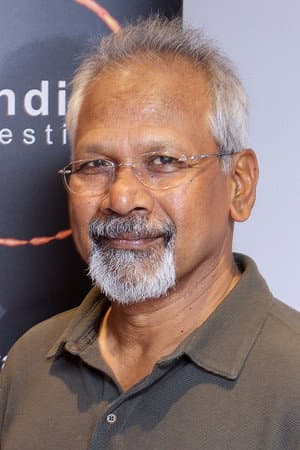
Ratnam's confirmed credits show more than direction. On almost every film discussed here he is also listed as writer, and on many as producer. A producer is the person who organises and finances a film and carries it from idea to release. That triple role, sustained across decades and genres, is the spine of his reputation. It is also why his name makes a sensible entry point for anyone new to the industry.
The Range Of The Filmography
Taken together, the films show a filmmaker who does not stay in one lane. The range runs from the underworld to a courtly historical epic, and the contrast looks deliberate rather than accidental.
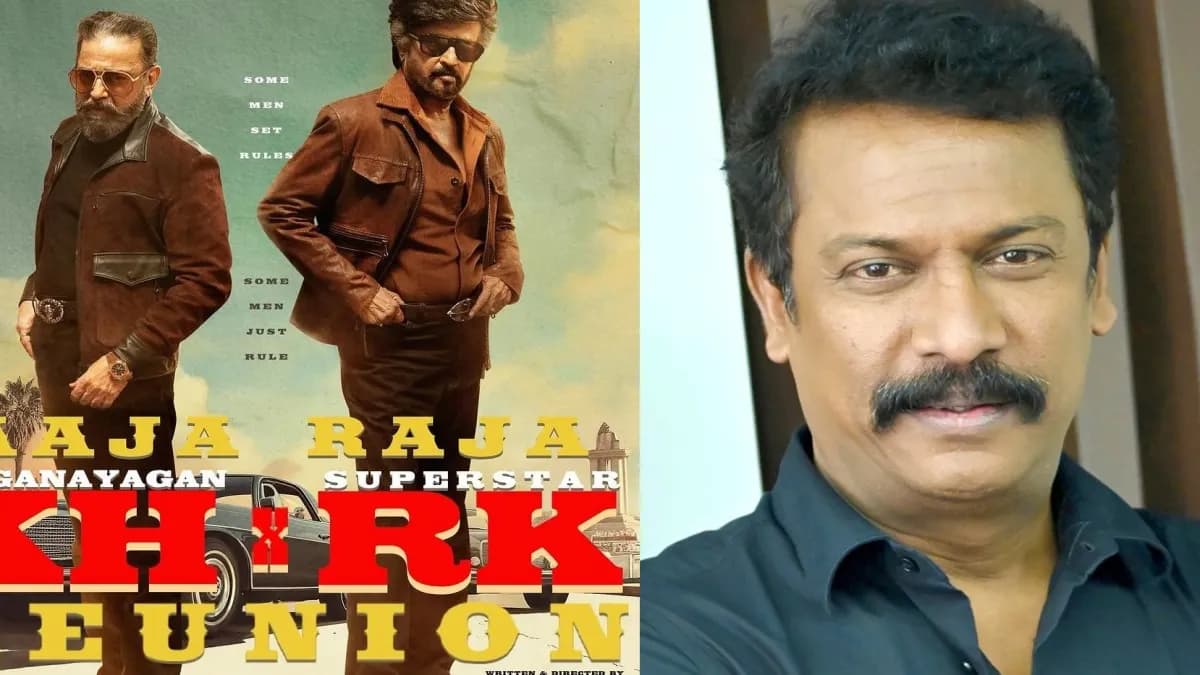
At the crime end sits Thug Life (2025). Mafia kingpin Sakthivel and his brother Manikkam rescue a young boy, Amaran, during a violent police shootout and raise him as their own. Years later an assassination attempt shakes Sakthivel's empire. Suspicion turns inward, and he sets out to destroy the very family he once built. Nayakan (1987) works similar ground from a different angle: a man's rise in the underworld, written as well as directed by Ratnam. Thalapathi (1991) sets a story of powerful friendship against a wider conflict.
At the other end are Ponniyin Selvan: Part I (2022) and Ponniyin Selvan: Part II (2023), drawing on a historical Chola setting. The kingdom is threatened from within and without, the royal family is pulled apart, and a messenger carries the plot while Nandhini works to bring the empire down. Between these poles lies a middle ground of films about people pressed by the world around them. Roja (1992) moves between romance and political danger. Bombay (1995) places a couple's love story inside communal tension.
The City And The Country
Iruvar (1997) fictionalises the lives of Tamil Nadu political icons M. G. Ramachandran and M. Karunanidhi, tracing the long relationship between Tamil cinema and Dravidian politics. That relationship is a piece of industry context worth knowing. Film popularity in the state has historically fed directly into political standing, and Ratnam builds a fiction on top of it rather than a documentary.
Alaipayuthey (2000) is smaller in scale and one of the clearest illustrations of his method. Karthik and Shakthi marry against their families' wishes and start their new life, then find that marriage is not the bed of roses they imagined. The drama is domestic, but the pressure comes from outside the couple: family expectation, money, the ordinary friction of two people learning each other.
Kannathil Muthamittal (2002) and Aayitha Ezhuthu (2004) continue the pattern of intimate stories carried by public pressures. Raavanan (2010) retells a well known epic confrontation in its own way, and again the personal and the political are not separated.
What Connects The Work
Several threads run through the filmography. The first is authorship. Ratnam writes as well as directs, and the writing credits reach back to Nayakan and forward to Ponniyin Selvan: Part II and Thug Life. The second is production. Because he produces so much of what he directs, he carries a film from its first idea through to its release, which is unusual even in an industry that concentrates responsibility in a few hands.
The third thread is subject. The storytelling returns again and again to people caught between private love and public forces: family, politics, territory, communal division. A marriage story and a Chola epic are not inconsistencies but versions of the same question. What happens to a person when the world around them will not leave them alone?
Why The Name Matters
For a reader outside the region, Ratnam is a sensible starting point. The films are spread across decades and genres, so they show what Tamil cinema can do rather than one narrow sample of it. The run from Nayakan to Thug Life covers gangster drama, political fiction, romance, an adaptation of epic material and historical spectacle.
The combination of writer, director and producer credits across so much of the filmography is also a lesson in how the industry concentrates responsibility. Understanding that one person can originate, shape and deliver a film explains a great deal about how Tamil films are made and why certain voices dominate for decades. The titles named here are the backbone of that reputation. They are the reason the phrase Mani Ratnam: The Films And The Filmmaking describes a career rather than a single hit. For background on the industry more broadly, see Britannica's overview of Indian cinema and IMDb's page for Mani Ratnam.