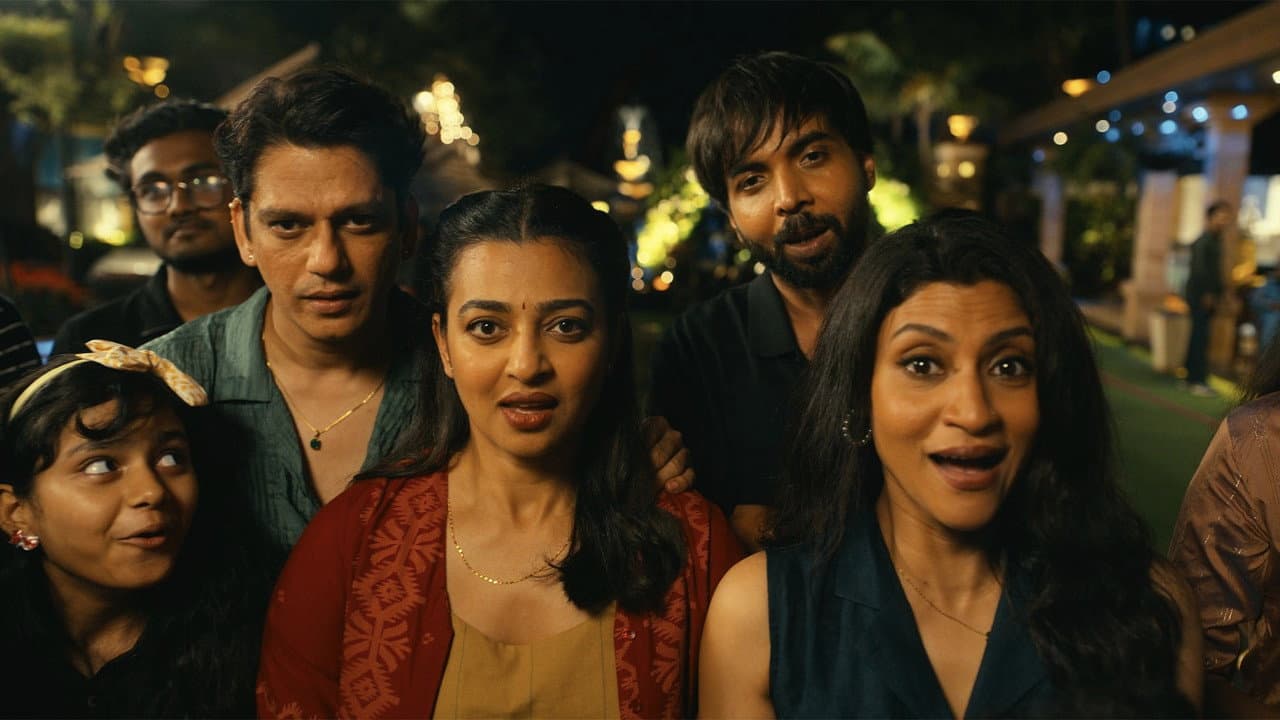
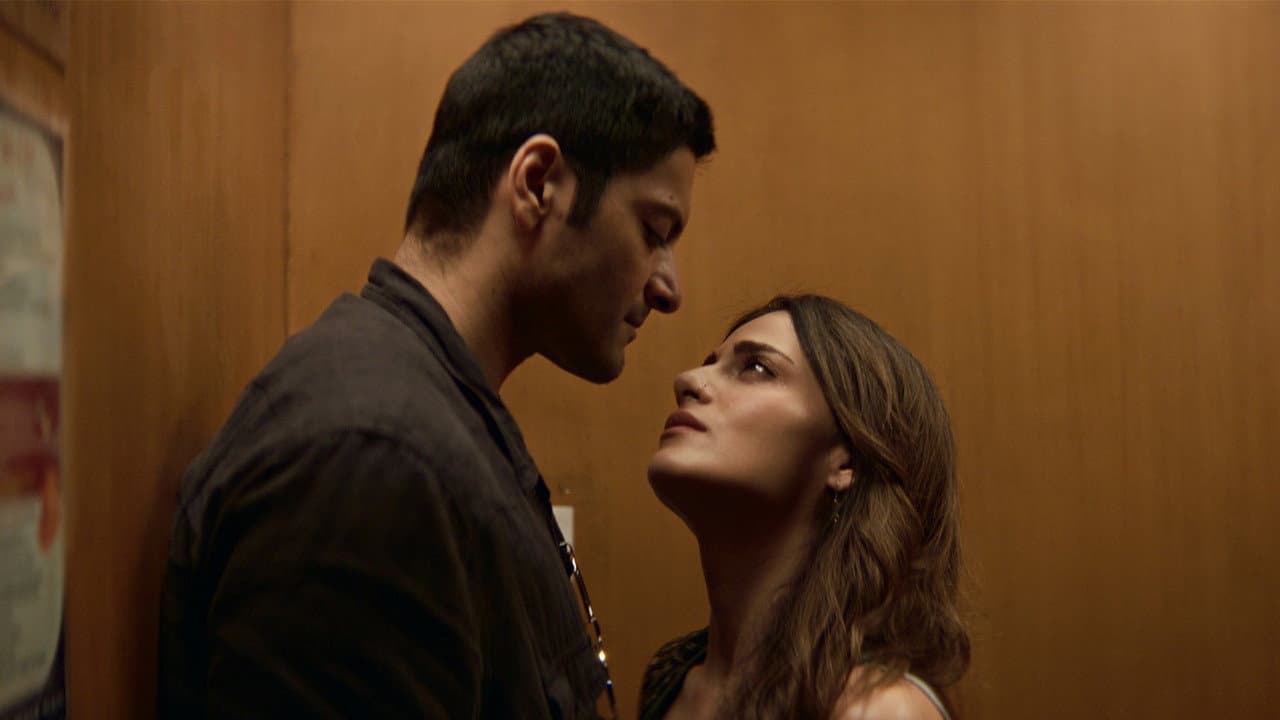
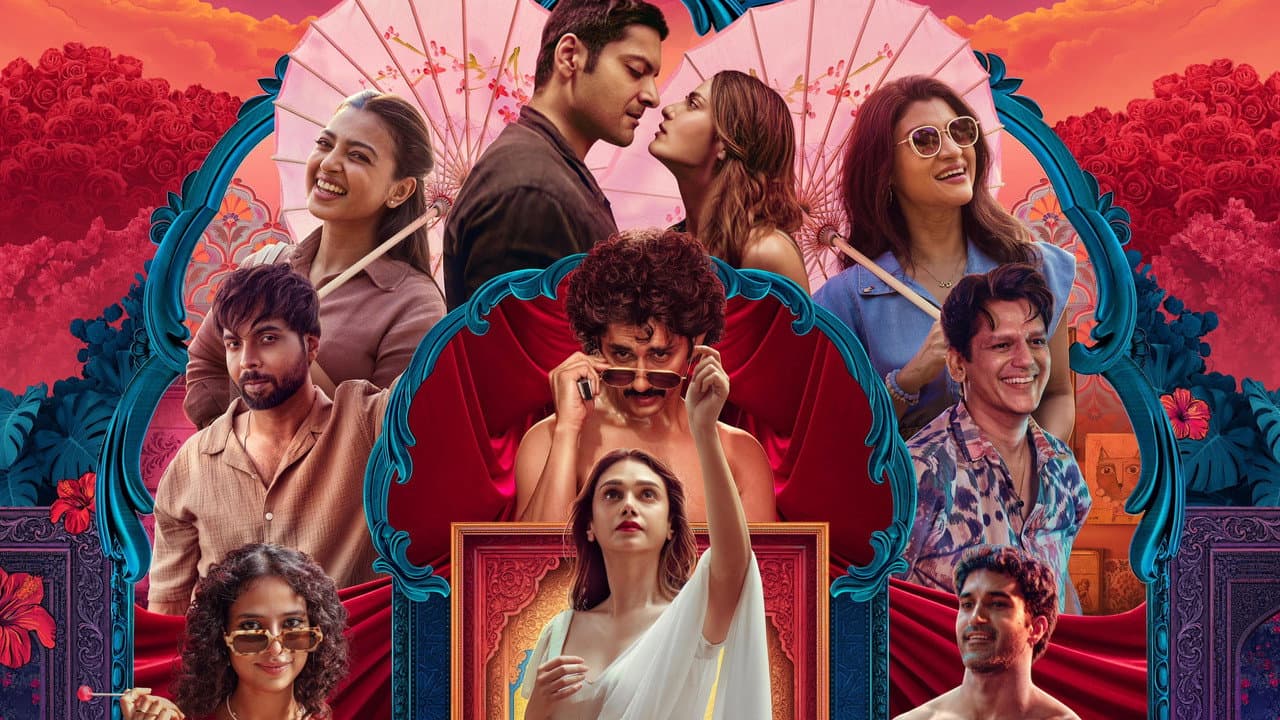
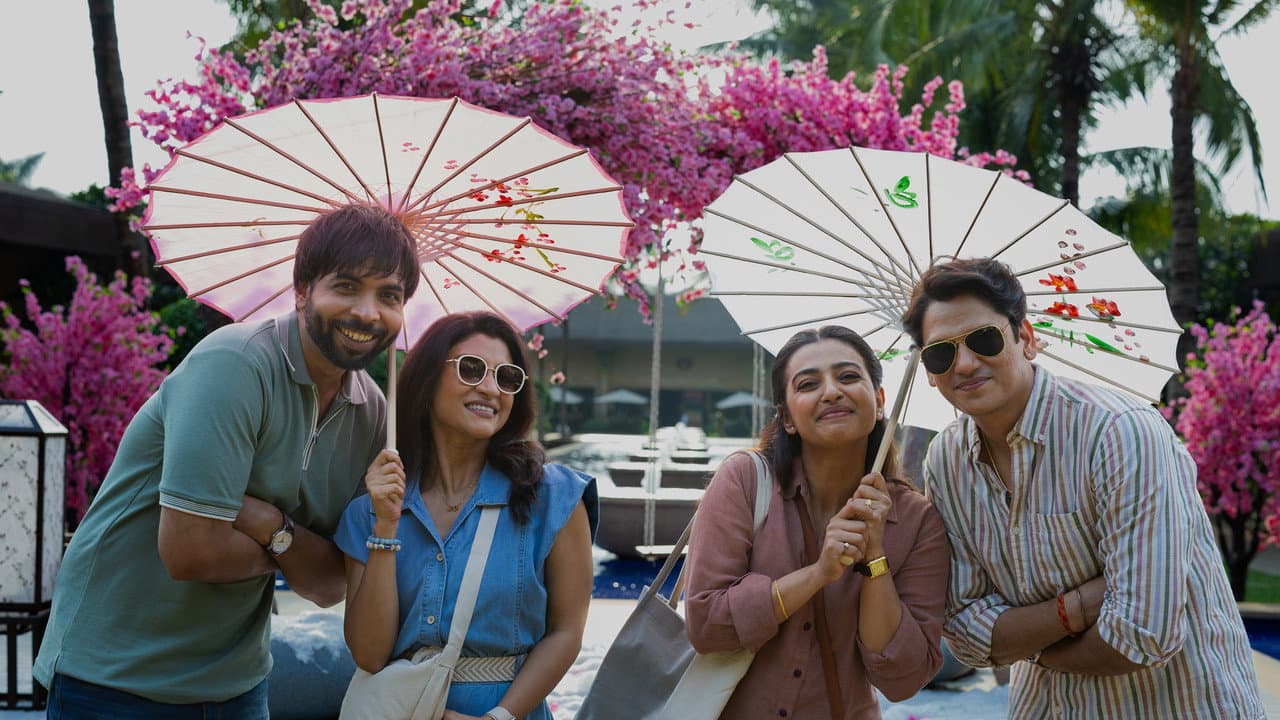
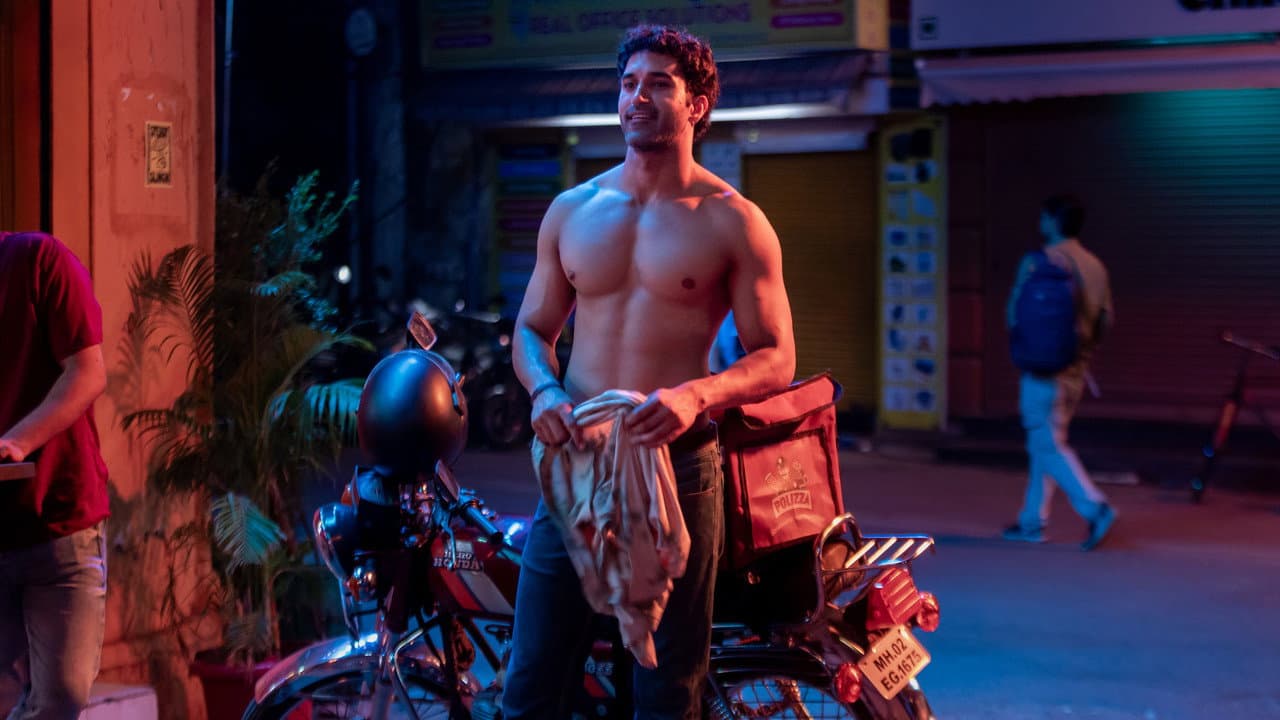
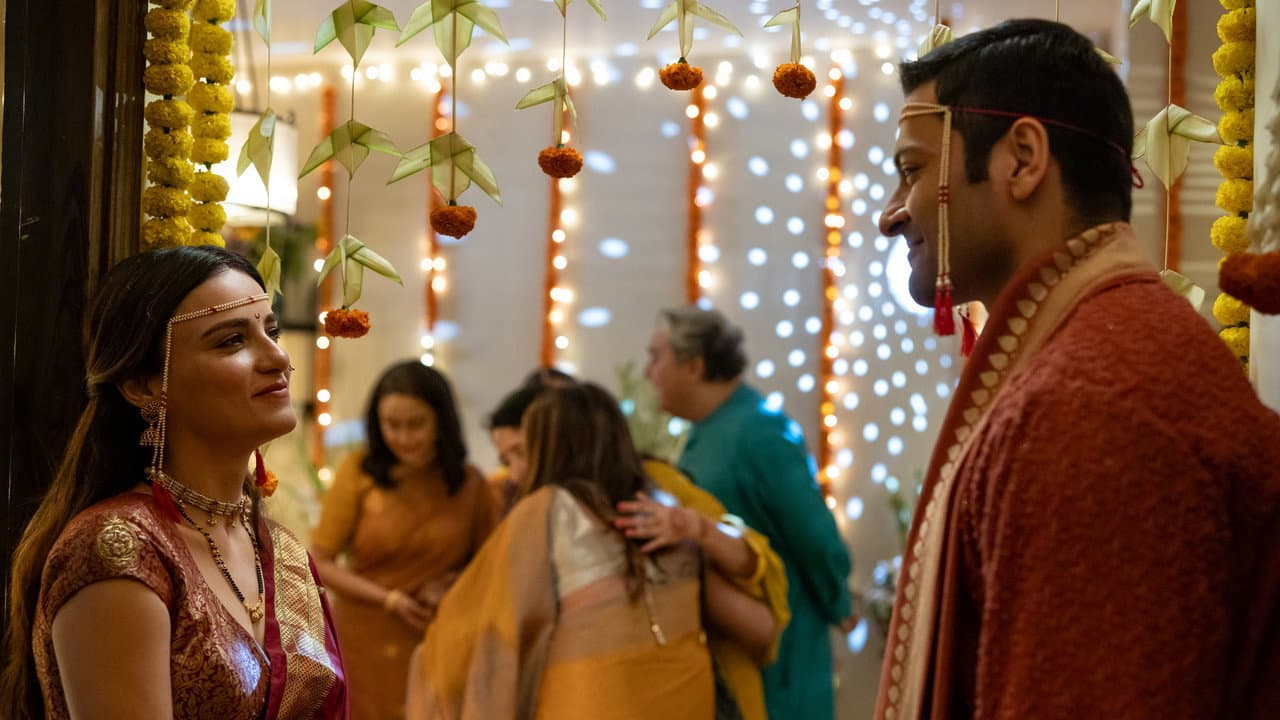
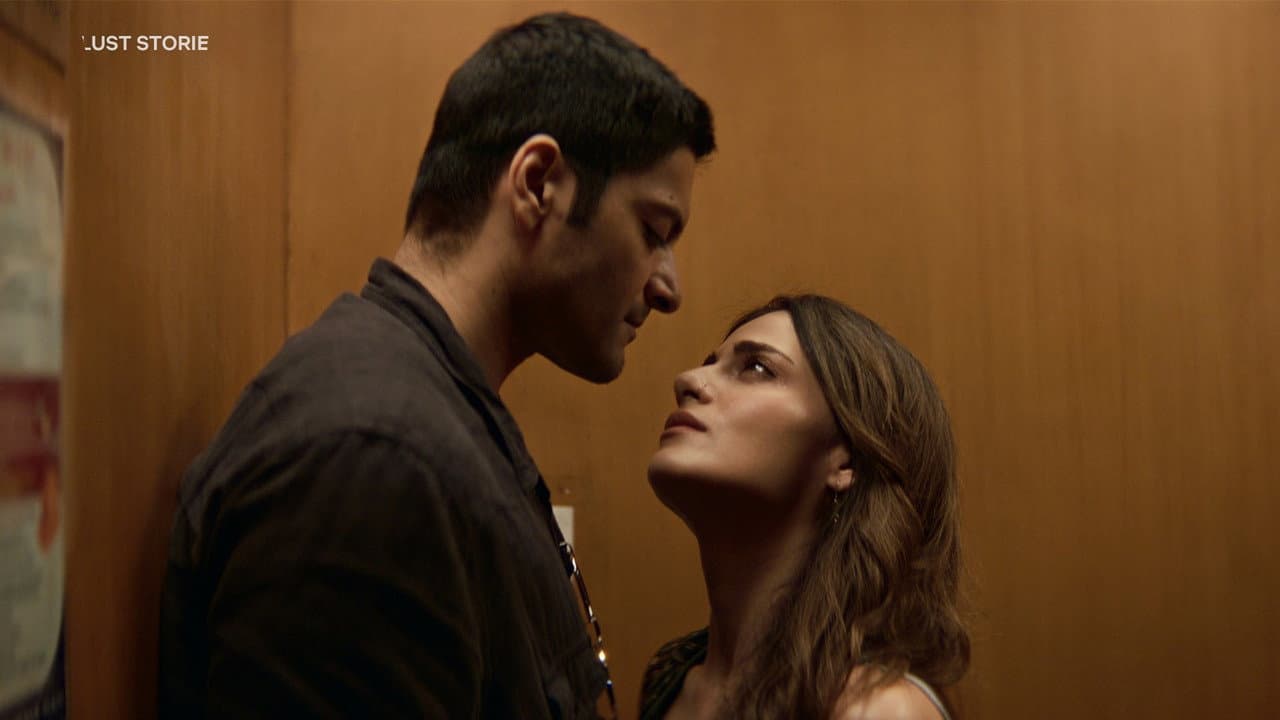
The Hindi anthology film Lust Stories 3 arrived on streaming platforms on September 18, 2026, and the conversation around it has already shifted from its star-studded ensemble to a single, unflinching segment anchored by Radhika Apte. Directed by Vikramaditya Motwane, the 165-minute feature brings together four short films that circle the familiar terrain of lust, love, and repressed desire, but the installment featuring Apte as a character named Padma has generated the loudest buzz for its raw, confrontational take on a woman daring to ask whether a husband can be replaced.
A Woman's Question, Answered Without Apology
The segment's central question, roughly rendered in English as "Can you change your husband?", is not posed as a rhetorical flourish. According to viewers who have already binged the anthology, Apte's Padma embodies a restlessness that the film refuses to moralize or tidy up. Her character does not simply fantasize about a different life; she treats the possibility as a practical matter, and the narrative follows her logic to uncomfortable conclusions. It is a performance that has been described as audacious, with the actress leaning into the character's contradictions rather than softening them for audience sympathy.
Motwane, who serves as director on the project, has assembled a cast that reads like a wish list for contemporary Indian cinema. Alongside Apte, the anthology features Konkona Sen Sharma as Shonali, Vijay Varma as Hemant, Abhishek Banerjee as Debendu, Ali Fazal as Varun, Radhikka Madan as Sailee, Aditi Rao Hydari as Saira, and Siddharth as Badru. Each performer carries a distinct segment, but the ensemble approach means the film's emotional weight is distributed rather than concentrated, allowing quieter moments to land between the more provocative beats.
Four Stories, One Thematic Thread
The anthology's overview describes four bite-sized yet emotionally resonant films that explore intimacy, longing, and human connection in all their complexity. That framing is accurate, though it undersells how sharply the segments diverge in tone. Some lean into romance and drama with a gentle hand, while others, particularly the Padma storyline, press harder on the question of what happens when desire outlives the relationship it was meant to serve. The result is a collection that feels less like a unified statement and more like a conversation among four distinct voices, each answering the same prompt from a different angle.
What ties them together is a refusal to treat lust as a problem to be solved. Instead, the film positions it as a fact of human experience, one that complicates love without necessarily destroying it. That perspective has resonated with audiences who found the previous installments in the franchise either too cautious or too coy. Early reactions suggest that this third outing is the most direct yet, though not at the expense of emotional nuance.
Performances That Carry the Weight
Apte's work in the segment has drawn particular attention, with viewers noting that she anchors the story without turning it into a solo showcase. Her Padma is neither villain nor victim, and the film's willingness to let her sit in that ambiguity is part of what makes the question at the center of the story linger after the credits. Sen Sharma, Varma, and the rest of the cast each get their moments, but the anthology format means no single performer dominates the runtime. That balance is a strength, even if it leaves some segments feeling like they could have sustained a full feature.
The film's genre positioning as romance and drama is fitting, though it undersells the occasional sharp edge. This is not a comfortable watch in the traditional sense, and it does not appear to want to be. The TMDb rating currently sits at 7 out of 10, a solid if not spectacular score that suggests audiences are divided on how well the four segments cohere as a whole.
What the Anthology Leaves Behind
Lust Stories 3 runs 165 minutes, which is a substantial commitment for a streaming release, but the episodic structure makes it easy to consume in pieces. Whether that helps or hurts the overall impact is a matter of preference. What seems clear is that the film has reignited a conversation about how Hindi cinema portrays female desire, and it has done so without retreating into euphemism. The question Padma asks is blunt, and the film's refusal to answer it neatly is precisely the point. For viewers tired of stories that punish women for wanting more, this anthology offers something closer to a mirror than a sermon.
Source: Filmibeat Tamil