Few names in contemporary Tamil cinema carry as much expectation as Karthik Subbaraj. The Films And The Filmmaking is a story of range, not a single hit. Tamil cinema means films made in the Tamil language, centred on the industry based in Chennai, in the state of Tamil Nadu in southern India. Subbaraj works there as a director, writer and producer. His career moves between tiny independent productions and major commercial projects without losing a recognisable voice.
That voice circles a narrow set of human subjects: ambition, violence, loyalty and the urge to start over. Genre is the surface. Conscience is the engine. This is a career feature, not a review, so there are no grades and no verdicts here, only the shape of the work.
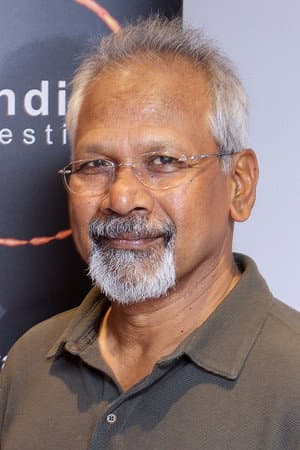
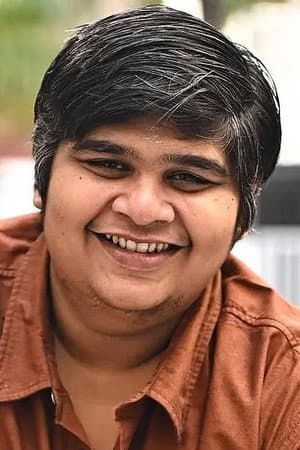
 Photo: TMDb
From First Film to Calling Card
Pizza (2012) was his first film, credited as director, story and screenplay. A small-scale debut, it announced a filmmaker more interested in craft and misdirection than in scale. It remains the clearest proof that he could hold an audience with very little.
Jigarthanda (2014), as director and writer, widened his reach. It is the most commonly cited entry point to his work, the film people usually name first when they recommend him. Bench Talkies (2015) added a director and writer credit on a multi-filmmaker project, evidence that he works comfortably in short form as well as long.
A small footnote belongs here: an uncredited walk-on in Soodhu Kavvum (2013), as a car owner. It is a humanising detail, nothing more. It also says something about a director content to be a face in the background of someone else's film.
The Films and What Each One Adds
Petta (2019), written and directed by him, is his most commercial canvas of that period. A hostel warden becomes the target of a politician and his gangster son, and the slow reversal of who should fear whom is pure genre pleasure, delivered with control.
Putham Pudhu Kaalai (2020) carries a writer and director credit on a multi-part project, a marker that he works across formats and ensemble structures. Jagame Thandhiram (2021), again as writer and director, turns on a globe-trotting crime premise: a clever, carefree gangster is recruited to help an overseas crime lord take down a rival, and is caught off guard by the moral dilemmas that follow. Ambition and conscience, side by side.
Mahaan (2022), as director and writer, is a broad-canvas character study and part of his movement into larger-format storytelling. Jigarthanda DoubleX (2023) is a companion piece in name, and the title is useful evidence that he revisits and reframes his own ideas rather than simply repeating them.
Retro (2025), as director and writer, follows a man with a violent past who seeks a fresh start, only for the life he left behind to resurface and force him to face old conflicts. It is the clearest statement of a theme that runs through the work: the past refusing to stay buried.
Dorothy (2026), as director with screenplay and story credits, is set in a world shaped by caste, violence and toxic masculinity. Two childhood friends grow up inseparable in rural Tamil Nadu, and their lives are transformed by the arrival of a woman whose compassion quietly challenges the world around them. Handle it as subject matter, not as a headline. Neelira (2026) carries a producer credit, showing that his role in the industry now extends beyond directing his own scripts.
What He Returns To
Violence, in his films, is a social fact rather than spectacle. Dorothy and Retro make that plainest: force arrives through caste, history and the company men keep, and it leaves marks on the people who use it.
Male friendship and loyalty run from Jigarthanda through to the inseparable childhood friends of Dorothy. The fresh start and its failure power Retro and Jagame Thandhiram alike: men who try to begin again discover that beginnings are not entirely theirs to make.
And moral dilemma is plot. His characters choose under pressure, which is what makes the genre films more than genre exercises. The reference points are crime, memory and loyalty, and the questions are the ones any reader anywhere would recognise.
Why Readers Outside Tamil Cinema Should Know the Name
Tamil films travel internationally more than many viewers realise, and a recognisable director is part of why audiences outside the region follow the industry at all. For a reader in London, Kuala Lumpur or Dubai who has heard the name once, the useful thing to know is the range: very few filmmakers move as comfortably between a first film made on a small budget and large commercial projects. That contrast, not any single title, is the argument for knowing him.