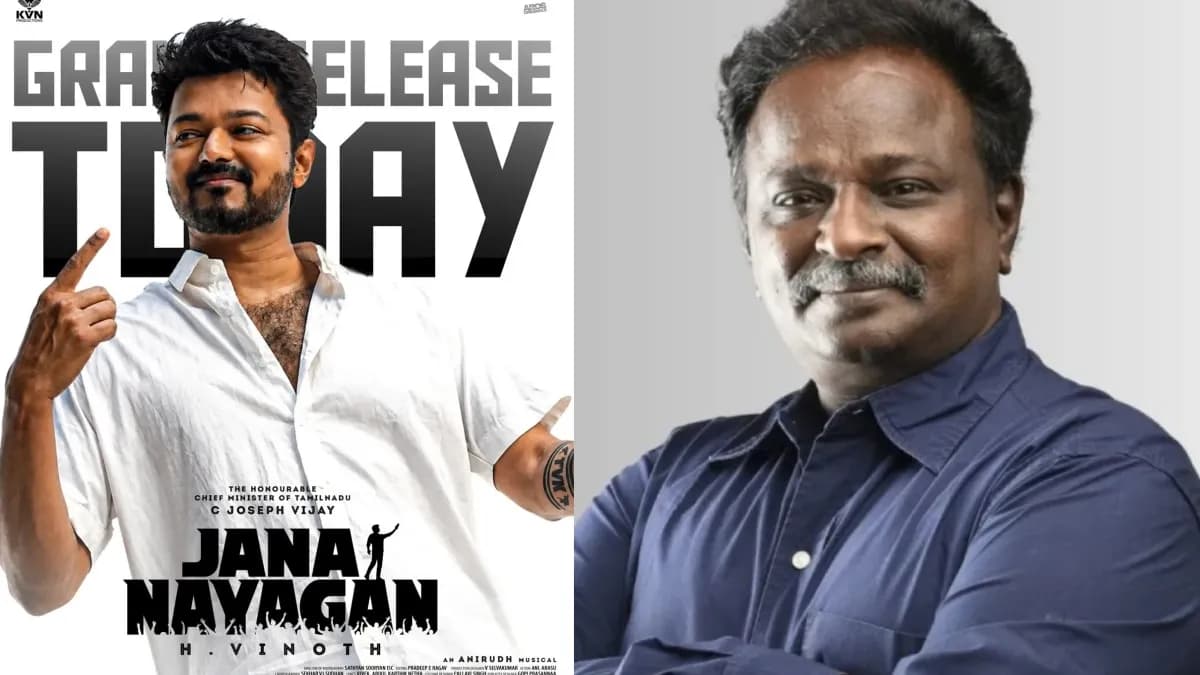
The latest big-screen outing of the "Jana Nayagan" franchise, titled "Blue Sattai Maran," has ignited a firestorm of debate among Tamil cinema fans, with early reactions ranging from wild applause to outright bewilderment. The film, which hit theaters today, July 24, 2026, has sparked a particularly colorful response from a section of the audience who are calling it "very wrong, bro" and accusing the makers of "destroying" expectations. The buzz across social media and in theater lobbies is unmistakable: this is not a conventional hero worship exercise.
From the opening reels, "Blue Sattai Maran" makes clear that it is charting its own, deliberately disruptive path. The narrative picks up with the central character, known for his iconic blue uniform, navigating a maze of political corruption and personal vendettas. However, the storytelling takes sharp, unexpected turns that have left many viewers divided. While the film’s technical polish and the lead actor’s intense screen presence are widely praised, the unconventional plot structure has become a major talking point.
One of the most repeated criticisms emerging from early screenings is that the film deliberately subverts the typical mass hero formula. Instead of providing clear-cut, celebratory moments where the protagonist triumphs in a predictable fashion, "Blue Sattai Maran" injects ambiguity and moral complexity into its action sequences. This has reportedly frustrated a segment of the audience who were expecting a straightforward, high-octane revenge saga. Comments on social media capture this sentiment sharply, with one viewer summing up the experience as "a very wrong approach, bro," suggesting the creative choices have upset standard genre expectations.
The phrase "destroyed it" is also circulating, but in context, it appears to refer to the film deconstructing the very archetype of the "people's hero" it established in earlier installments. Rather than building up the character as an invincible savior, the new film shows him making flawed decisions, facing consequences that are not easily resolved, and operating in a world that feels more morally gray than black and white. This narrative gamble is being interpreted by some as a bold creative risk, while others see it as a betrayal of what made the franchise popular.
Performances across the board are being lauded, with the lead actor delivering a physically demanding and emotionally raw portrayal. A particularly powerful sequence in the second half, where the character is forced to confront the collateral damage of his own methods, has been highlighted as a career-best moment. The supporting cast, including several seasoned character actors, provides solid grounding, though their screen time is noticeably limited in service of the tightly focused narrative.
Technically, the film is a visual spectacle. The cinematography captures the gritty urban landscape with a sense of heightened realism, and the background score by a rising composer amplifies the tension effectively. The action choreography, while less frequent than in previous franchise entries, is brutal and impactful, with a standout chase scene through a crowded market that showcases impressive practical stunts.
The screenplay, credited to a relatively new writer, is where the controversy lies. It eschews easy answers and crowd-pleasing dialogues in favor of a more introspective, almost philosophical tone. Some sequences are deliberately slow-burn, building atmosphere over immediate gratification. This artistic choice has resulted in a divided response: critics who appreciate nuanced storytelling are hailing it as a mature evolution, while those seeking cathartic entertainment are expressing disappointment.
The film’s handling of its central theme - the nature of justice and the cost of vigilante action - is stark and uncompromising. It forces the audience to sit with uncomfortable questions rather than offering simple resolutions. This intellectual ambition is commendable on paper, but in execution, it creates a pacing that feels uneven at times. The first act sets up a complex web of motives, while the climax, though visceral, may leave some viewers feeling unresolved.
Marketing materials had promised a return to form for the beloved character, but the actual film delivers something far more challenging. The disconnect between promotional hype and on-screen content has contributed to the polarized initial reception. Many fans who attended early shows expecting a familiar thrill ride were instead presented with a deconstructionist drama.
Despite the mixed audience reactions, the film’s commercial prospects are being closely watched. Advance booking data suggests strong initial numbers driven by curiosity and fan loyalty. However, long-term box office performance will likely depend on word-of-mouth from more general audiences, who may or may not embrace the experimental narrative. Industry analysts are hedging their bets, noting that films that polarize upon release often find a dedicated cult following over time.
In the coming days, more detailed critical analysis is expected from major publications. For now, "Jana Nayagan Blue Sattai Maran" stands as the most talked-about release of the season, for reasons both celebratory and contentious. Whether it will be remembered as a bold masterpiece or a misstep remains to be seen. One thing is certain: it is a film that refuses to be ignored, demanding that viewers engage with it on its own unsettling terms. The conversation it has already sparked is a testament to its power, even if that power is met with shouts of "very wrong."
Source: Filmibeat Tamil