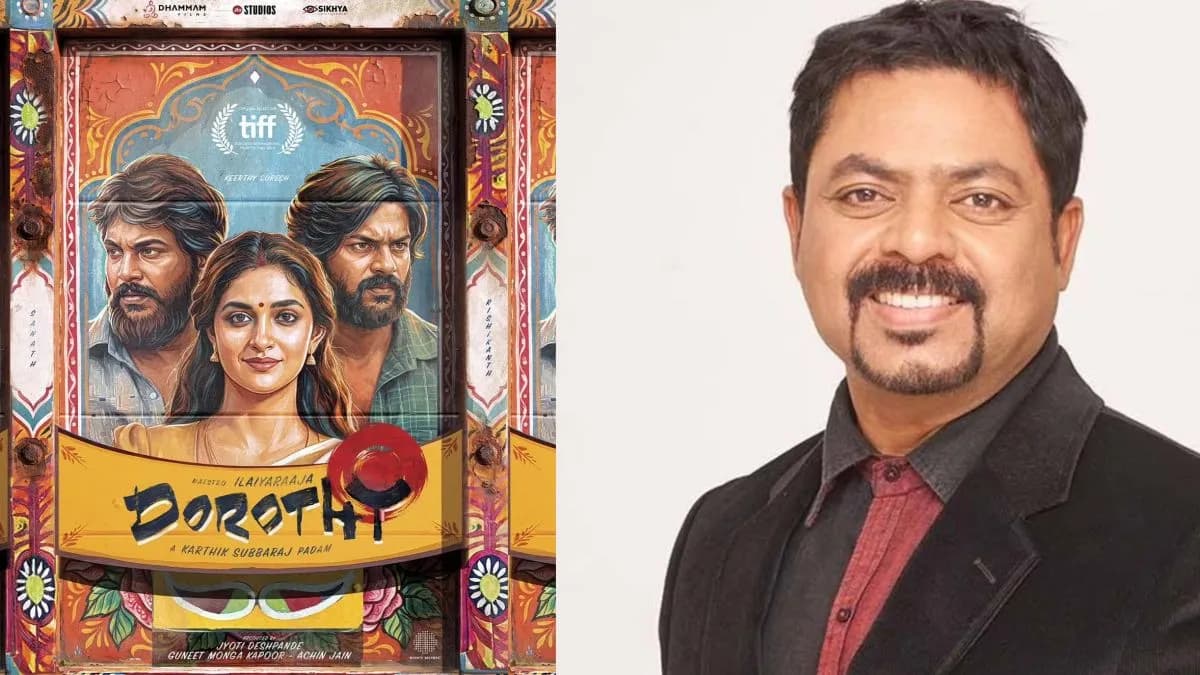
Criticism in the Tamil film industry rarely arrives quietly, and it almost never arrives without a follow-up demand. That is the situation director James Vasanthan now finds himself in, after his remarks about the film Dorothy set off a fresh round of debate over what a reviewer owes the people whose work he assesses. The title of the controversy itself lays out the terms plainly: James Vasanthan has given his Dorothy review, and there remains a responsibility to answer the questions it raised.
Vasanthan is not a newcomer to the business of opinions. The composer-turned-filmmaker has spent years moving between the recording studio, the director's chair and television judging panels, and he has never been shy about saying what he thinks. That willingness has earned him a following among viewers who want their cinema discussion served without hedging. It has also, on more than one occasion, put him on the wrong side of fan brigades who treat any negative word about a release as a personal attack.
An Opinion That Became a Debate
What distinguishes the current episode is not the verdict itself so much as the reaction to it. A review is, at its core, one person's account of what a film did or failed to do. When that account is delivered by someone with Vasanthan's profile, however, it stops being a private note and becomes a public event. Audiences who had already formed their own attachment to Dorothy heard a dissenting voice, and the response moved quickly from disagreement with the argument to scrutiny of the person making it.
That shift is where the second half of the headline comes in. Having put a judgment into the world, a critic is expected to stand behind it - to explain the reasoning, to clarify what was meant and to engage with those who push back. In Tamil cinema's crowded online comment culture, that expectation is enforced loudly and immediately, whether the critic welcomes it or not.
The Line Between Review and Responsibility
There is a genuine question buried in the noise, and it is not unique to this film. How much does a reviewer owe a filmmaker? On one side, the argument runs that criticism exists for the audience, not for the creators, and that softening a verdict to spare feelings defeats the purpose. On the other, a review published by a known figure can shape how a film is received in its crucial opening days, and that influence carries obligations of fairness and accuracy.
Vasanthan, for his part, has built a reputation on the first position. His assessments tend to be direct, sometimes blunt, and he has generally shown little interest in the diplomatic middle ground that keeps everyone comfortable. That consistency is precisely why his Dorothy remarks landed with such force - nobody who follows his work expected him to hedge.
Why Audiences Keep Watching
The larger story here is about how Tamil film criticism has changed. A generation ago, a review was a newspaper paragraph read the morning after release. Today it is a video, a thread, a clip that circulates for weeks, and the person delivering it becomes as visible as the film being discussed. Figures like Vasanthan occupy a strange space in that ecosystem: part industry insider, part commentator, answerable to an audience that can respond in real time.
That visibility cuts both ways. It gives a critic reach and authority. It also means every judgment invites a cross-examination, and there is no way to publish an opinion and then step away from the conversation it starts.
Whether Vasanthan chooses to address the questions directly or lets the argument run its course, the episode says something about the mood in Tamil cinema right now. Fans are protective, critics are vocal, and the space between them has grown thin. For a filmmaker who has spent his career on both sides of that divide, the current round of debate is familiar terrain - the only difference being that this time the questions are pointed at him.
Source: Filmibeat Tamil