Advertisement
160×600
Left Ad


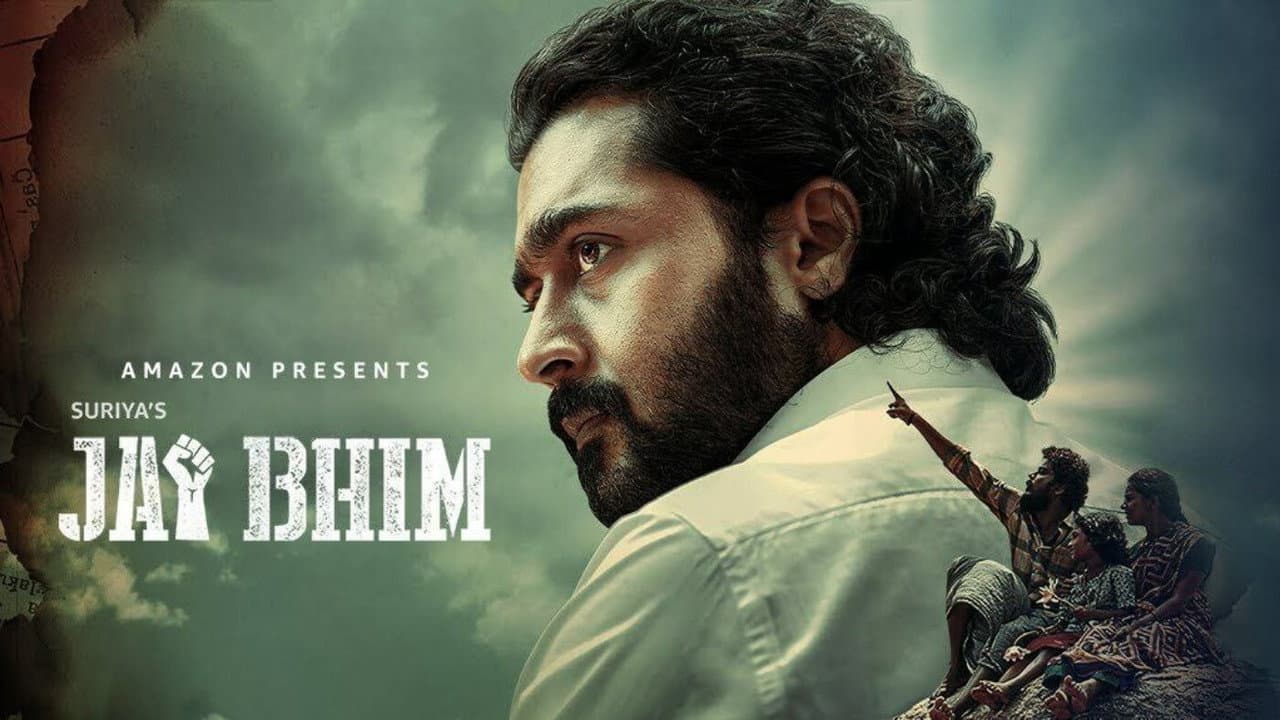
Jai Bhim Movie Review: Justice & Hope
Director
T. J. Gnanavel
Language
TA
Release
2021-11-02
Runtime
164 min
Quick Verdict
"Jai Bhim" is not merely a film; it is a searing indictment of systemic caste oppression and police brutality, wrapped in a gripping legal thriller. Director T. J. Gnanavel delivers a powerhouse of storytelling that prioritizes righteous anger over melodrama. Suriya, as the crusading advocate Chandru, delivers his career's most restrained yet devastating performance. The film's 164-minute runtime is a deliberate investment: every frame builds toward an emotional and intellectual climax that leaves you shaken, not entertained. Essential viewing, but be prepared to have your conscience thoroughly unsettled.
Story
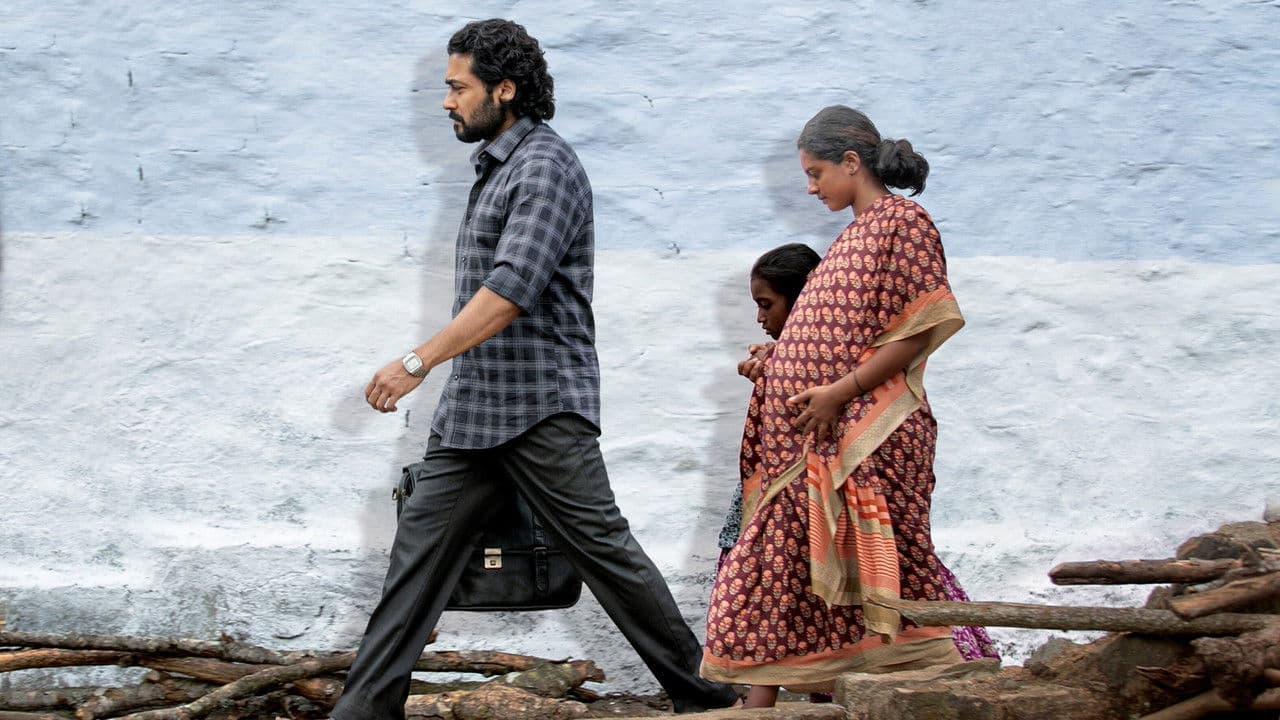
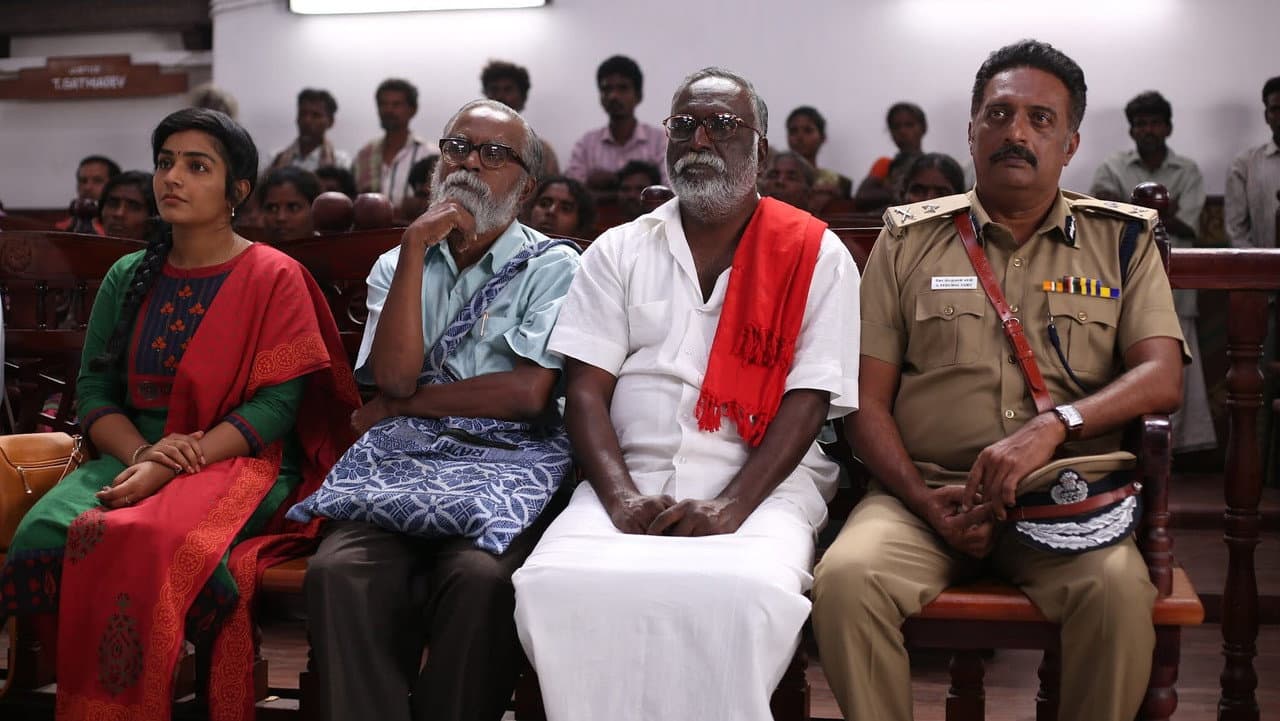
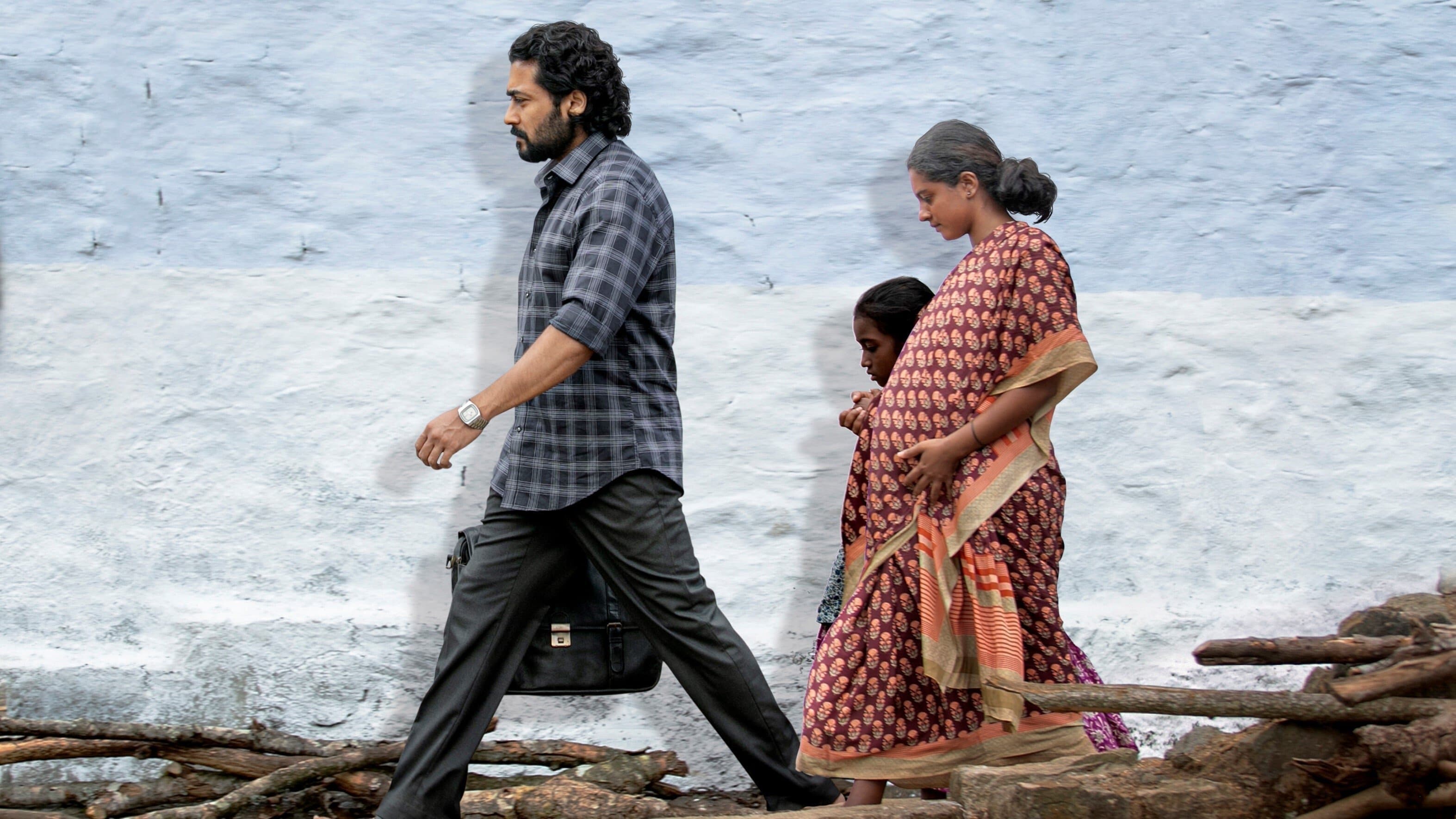
The film opens on the harsh, rain-soaked terrain of Tamil Nadu's tribal Irula community. Sengani (Lijomol Jose), a pregnant woman from this marginalized group, lives a fragile but content life with her husband Rajakannu (Manikandan) and their young daughter Alli. When a string of thefts plagues their village, suspicion inevitably falls on the tribal folk. Rajakannu and his friend are arrested by the local police. The next day, Rajakannu disappears from custody. The police claim he escaped, but Sengani knows otherwise.
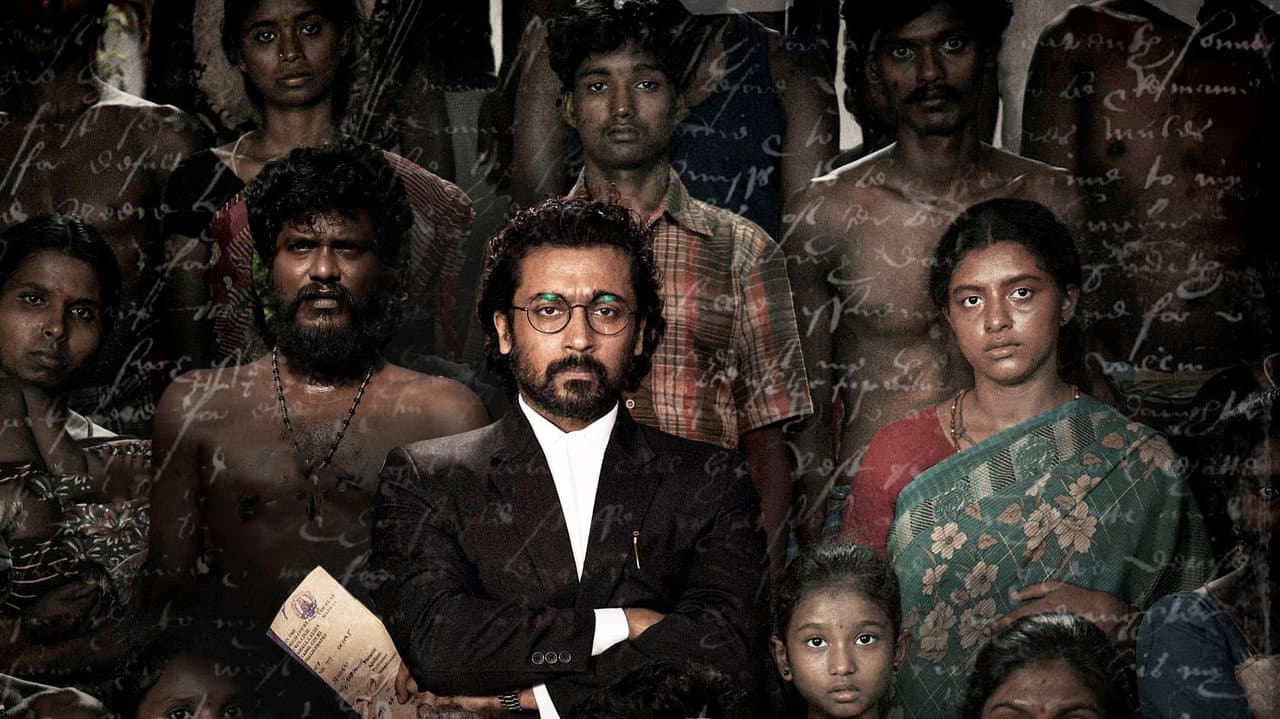
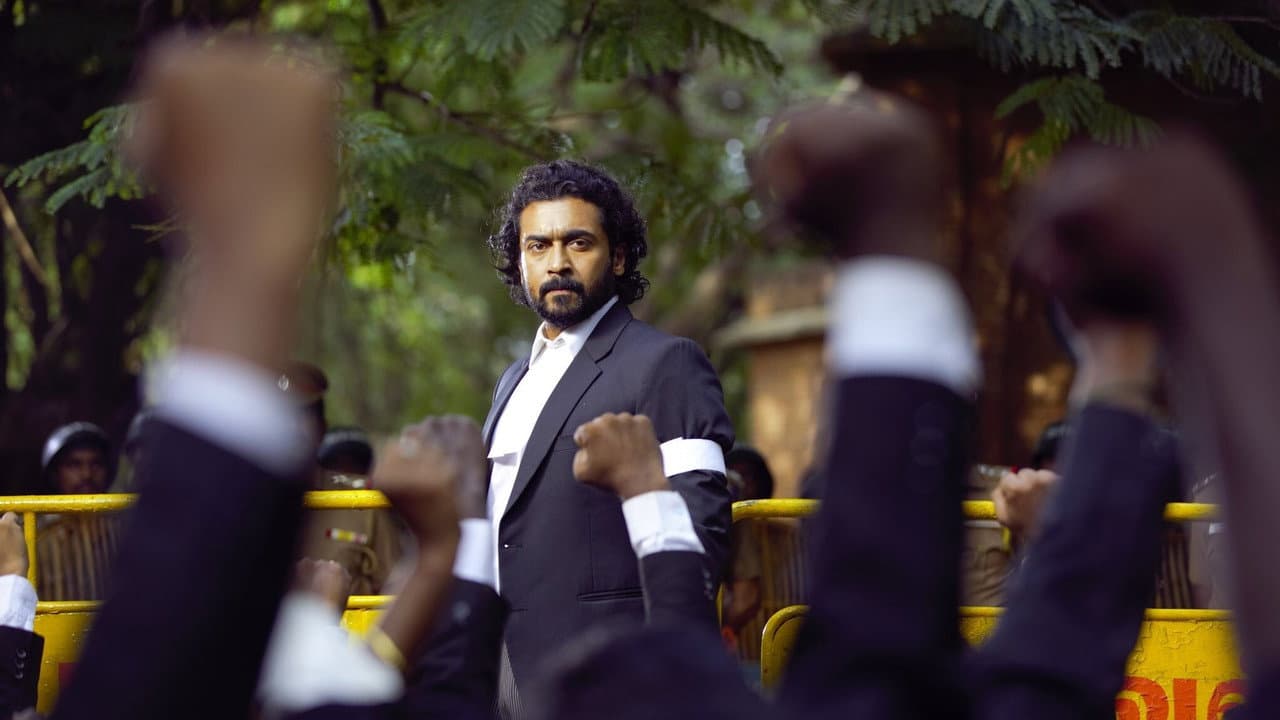
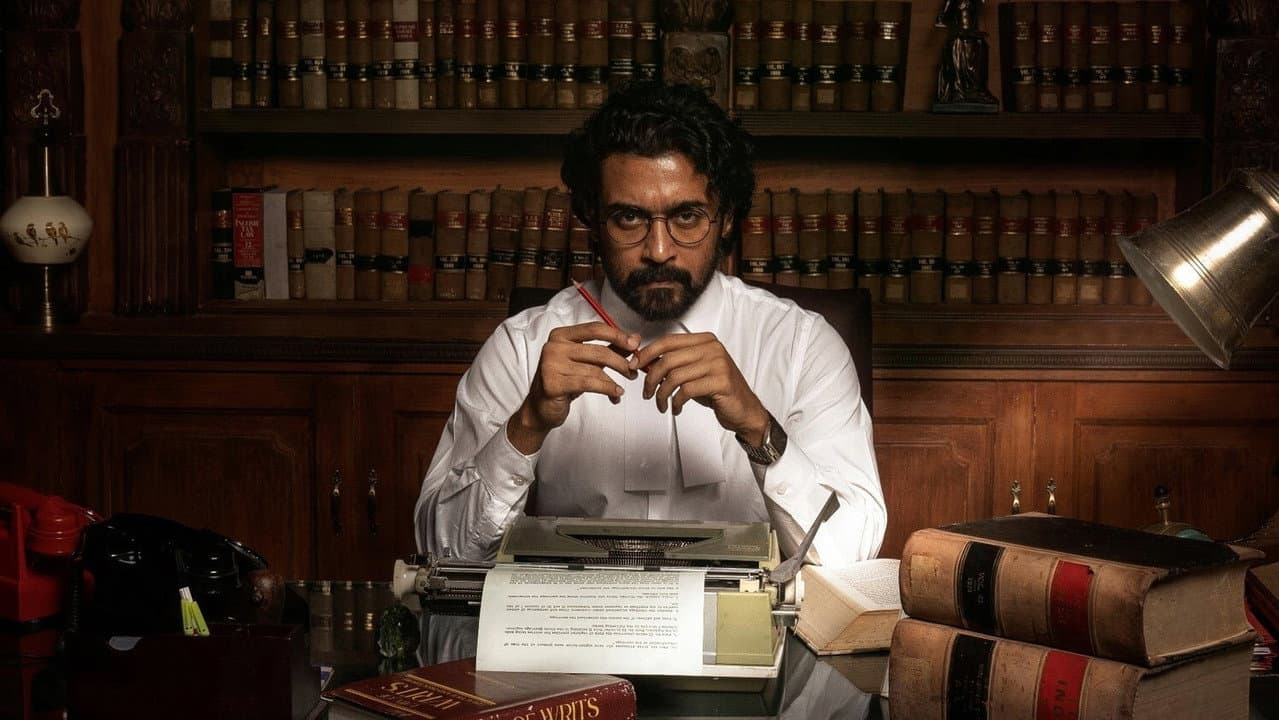
Desperate, penniless, and ignored by the system, she seeks help from Chandru (Suriya), a fiery High Court advocate known for taking on the powerless. What follows is not just a missing person case but a grueling forensic and legal battle to uncover the truth-a truth so brutal that it forces the audience to confront the unvarnished reality of custodial violence and caste-based discrimination. The narrative unfolds as a methodical investigation, punctuated by courtroom confrontations and flashbacks that reveal the everyday humiliations endured by the Irula community.
Review
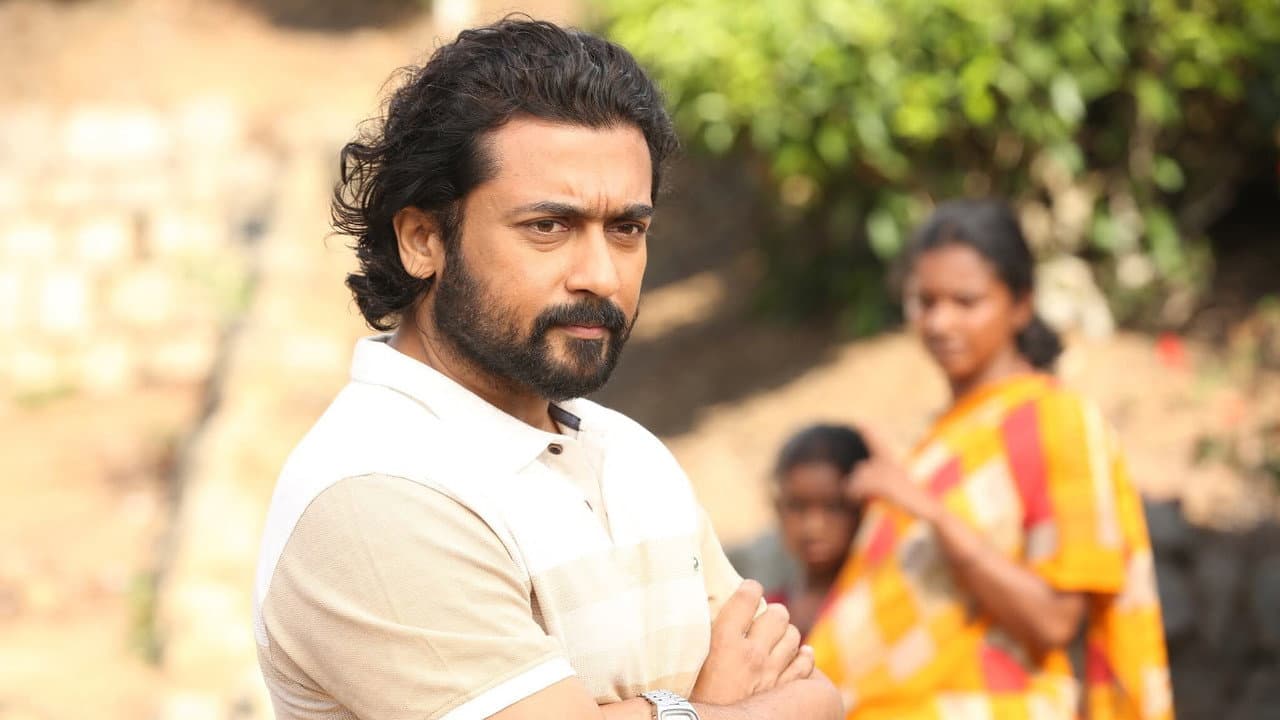
Director T. J. Gnanavel, a former journalist, brings an investigative rigor to "Jai Bhim" that elevates it above typical social-issue dramas. The screenplay, co-written by Gnanavel and R. S. Rajapandi, refuses to offer easy catharsis or simplistic heroes. Suriya's Chandru is not a saintly savior; he is a privileged man whose awakening is slow, painful, and incomplete. His vulnerability in the courtroom-where he falters, stammers, and sometimes fails-makes his eventual victories feel earned.
Lijomol Jose's Sengani is the film's emotional core. She delivers a performance of such raw, unmannered grief that you forget you're watching an actor. Her silence speaks louder than Suriya's monologues. Manikandan, as the missing husband, makes a devastating impact despite limited screen time-his scenes of quiet dignity before his arrest linger long after the credits roll. The child actor Baby Joshika Maya, as Alli, provides moments of heartbreaking innocence that contrast sharply with the film's grim realities.
Cinematographer S. R. Kathir captures two distinct worlds: the lush, unforgiving forests of the Irula habitat and the sterile, fluorescent-lit corridors of police stations and courts. The color palette shifts from earthy, natural tones in the tribal village to cold, bluish hues in scenes of interrogation and detention-a subtle but effective visual metaphor for the dehumanization the characters endure.
The film's primary weakness is its pacing. The first hour is deliberately slow, building context and character, but some viewers may find the procedural details excessive. A subplot involving a journalist (Rajisha Vijayan) feels underdeveloped, serving more as an exposition device than a fully realized character. Additionally, the antagonist police officers, while representing a real systemic rot, occasionally veer into caricature, their cruelty so unrelenting that it borders on the theatrically villainous.
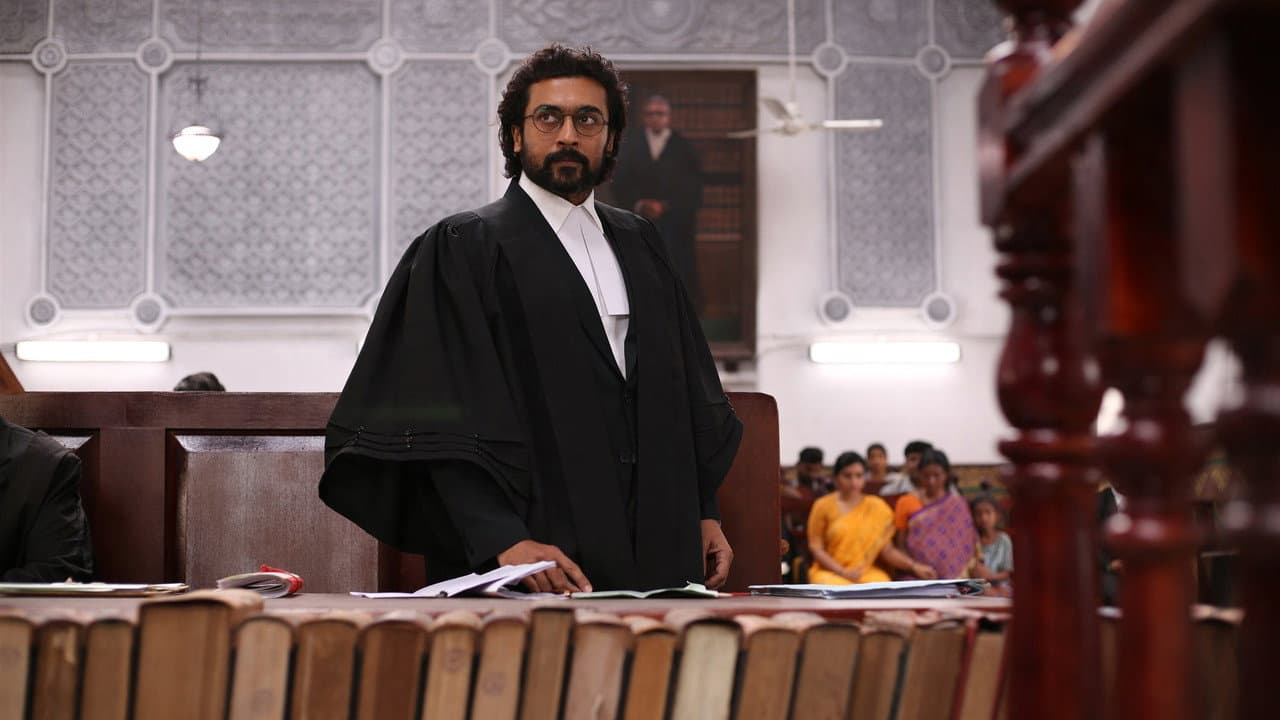
The music by Sean Roldan is sparse but effective. The background score swells only when absolutely necessary, trusting the performances and dialogue to carry the weight. The climactic courtroom monologue-a 15-minute tour de force from Suriya-is shot in a single, unbroken take, and it is nothing short of breathtaking.
Pros & Cons
Pros
- Suriya's career-best performance: restrained, intelligent, and emotionally precise.
- Lijomol Jose's authentic, gut-wrenching portrayal of a tribal woman's struggle.
- Unflinching depiction of caste violence and police impunity, devoid of sanitization.
- Masterful courtroom sequences that are both intellectually rigorous and dramatically riveting.
- Technical excellence: cinematography, sound design, and editing serve the story without showmanship.
- A final act that refuses to offer false hope, instead demanding systemic change.
Cons
- Overlong runtime with occasional pacing lags in the first act.
- Some police characters lean too heavily into caricature.
- The journalist subplot feels truncated and unnecessary.
- Limited musical relief; the film's relentless tension can be exhausting.
- May be too graphic and emotionally draining for casual viewing.
Rating Breakdown
Final Verdict
"Jai Bhim" is not a comfortable film to watch, nor does it want to be. It is a necessary film-one that uses the medium's power to bear witness to systematic atrocities that continue, with horrifying regularity, across India. It challenges the audience to move beyond sympathy into solidarity. The film's TMDb rating of 7.317/10, while respectable, feels low given its ambition and execution; it deserves closer to 8.5.
For those willing to sit through its 164-minute runtime, "Jai Bhim" offers a rare gift: a cinematic experience that honors the intelligence of its audience while respecting the dignity of its subjects. It is a film that doesn't just advocate for justice-it embodies it. Highly recommended, with the caveat that you will leave the theater not entertained, but transformed.
Cast

Suriya
Chandru

Lijomol Jose
Sengani Rajakannu
Baby Joshika Maya
Alli Rajakannu

Manikandan
Rajakannu

Rajisha Vijayan
Mythra

Prakash Raj
Perumalsamy

Rao Ramesh
Ram Mohan

Guru Somasundaram
Chellapandiyan

Tamizh
Gurumoorthy

Supergood Subramani
Veerasamy

Bala Hasan
Kirubakaran

Bava Chelladurai
Krishna
Gallery


Similar Movies
Related Reviews
Advertisement
160×600
Right Ad