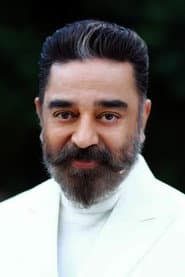
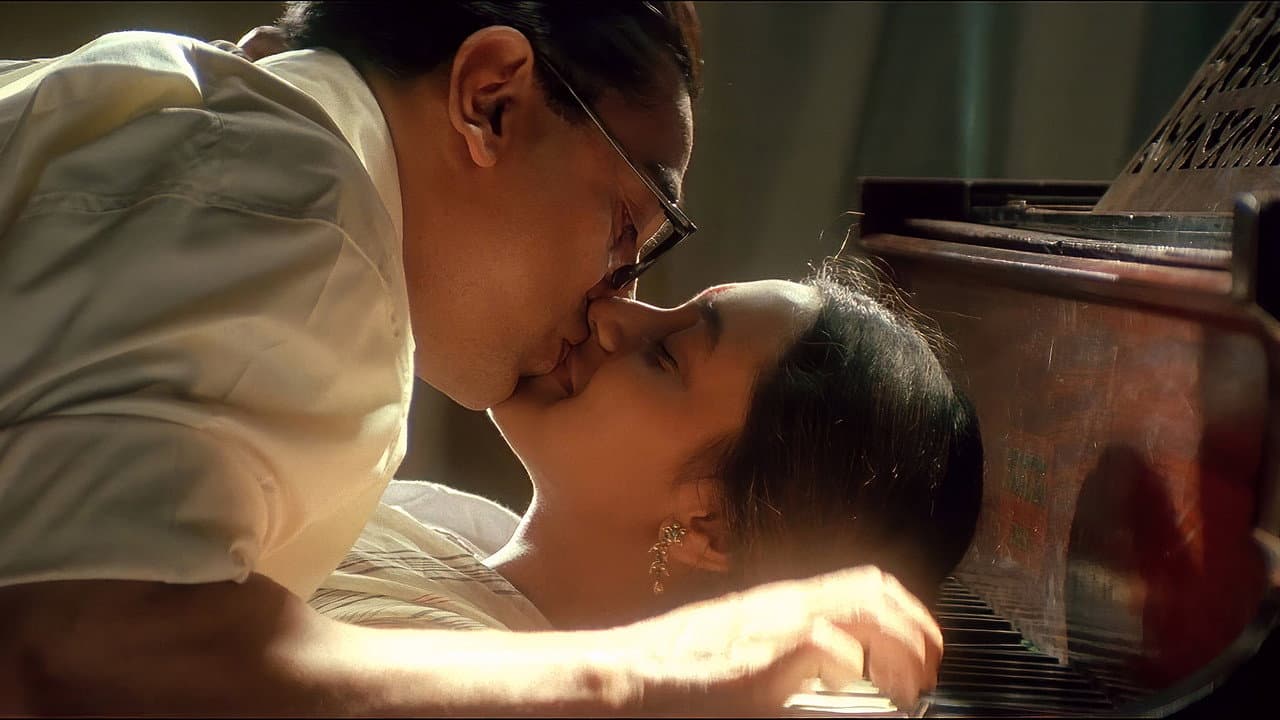
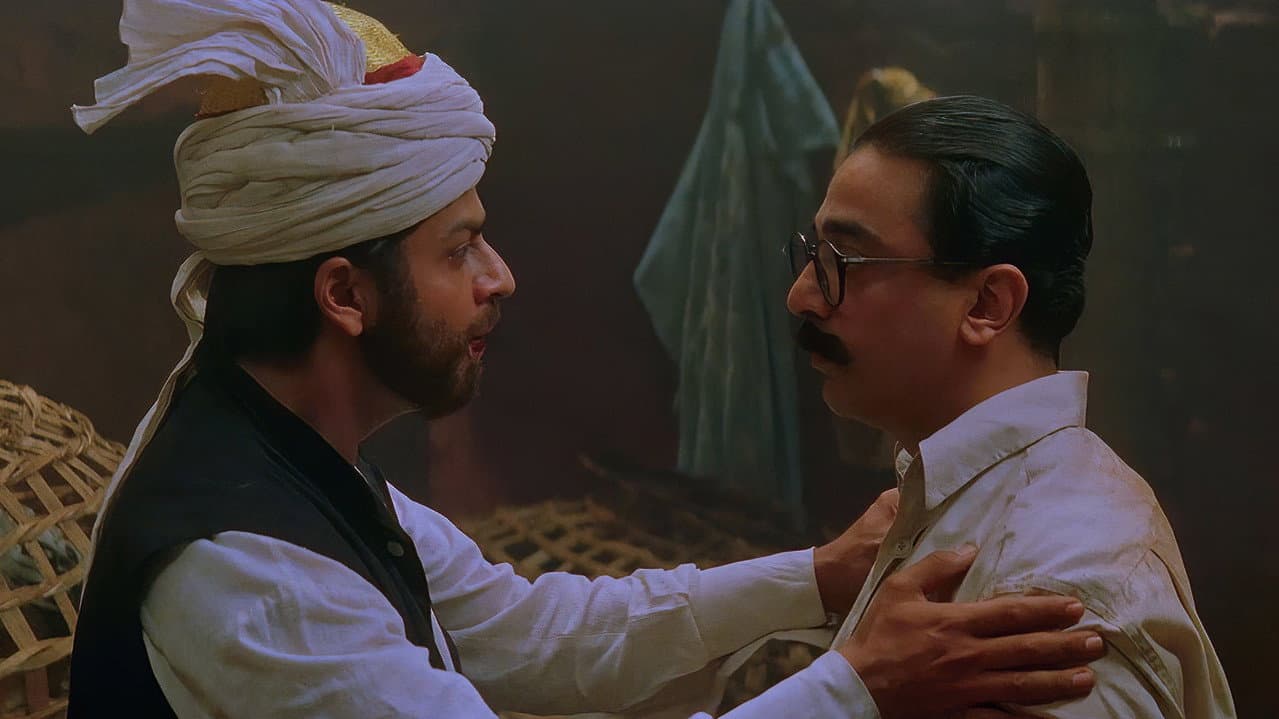
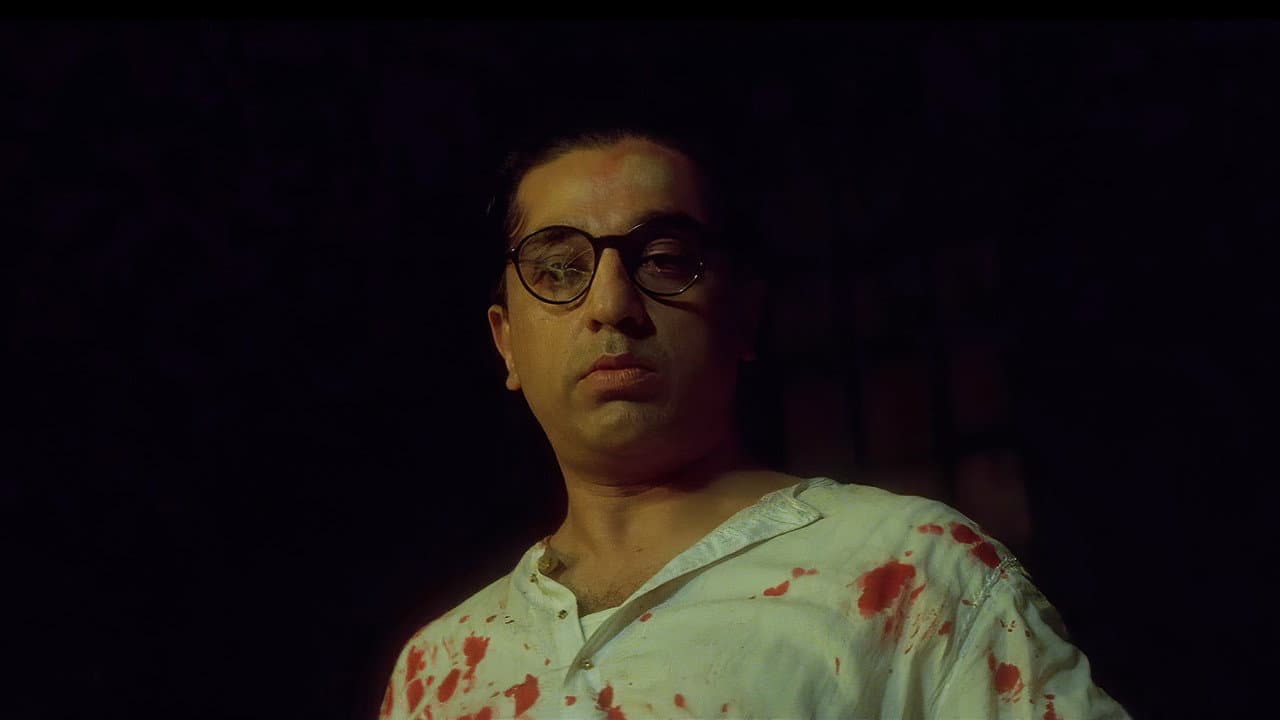
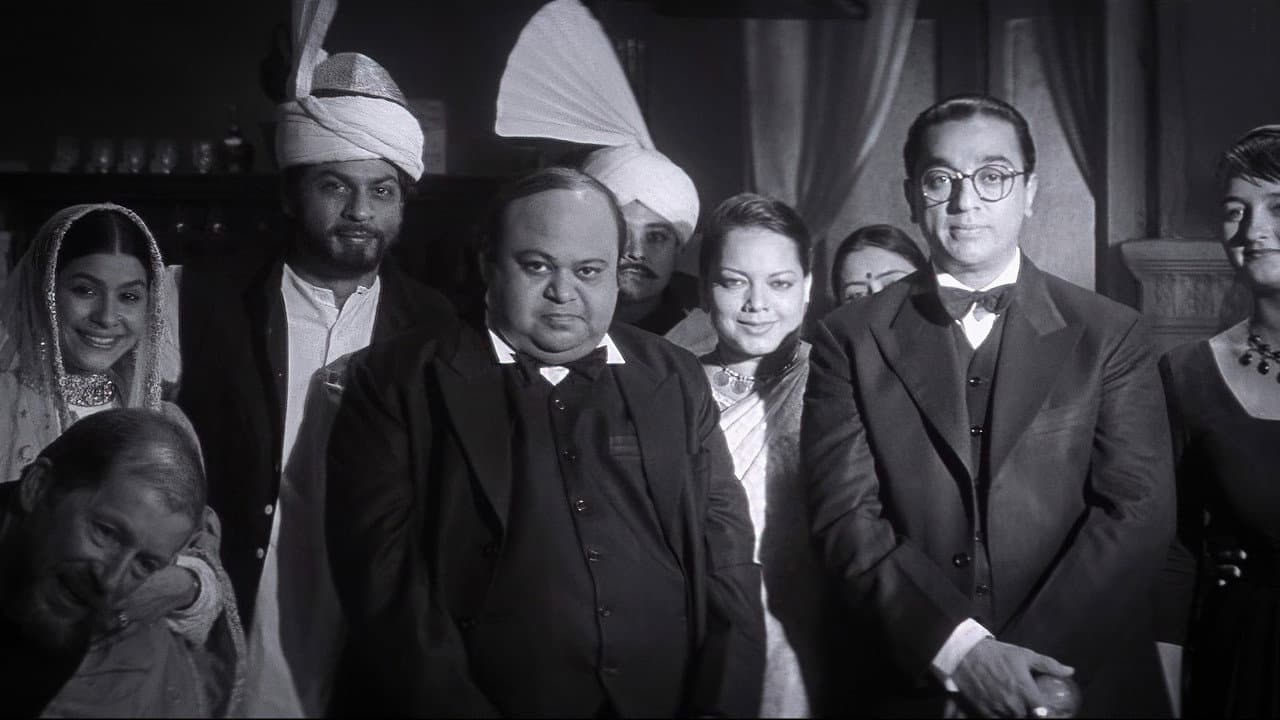
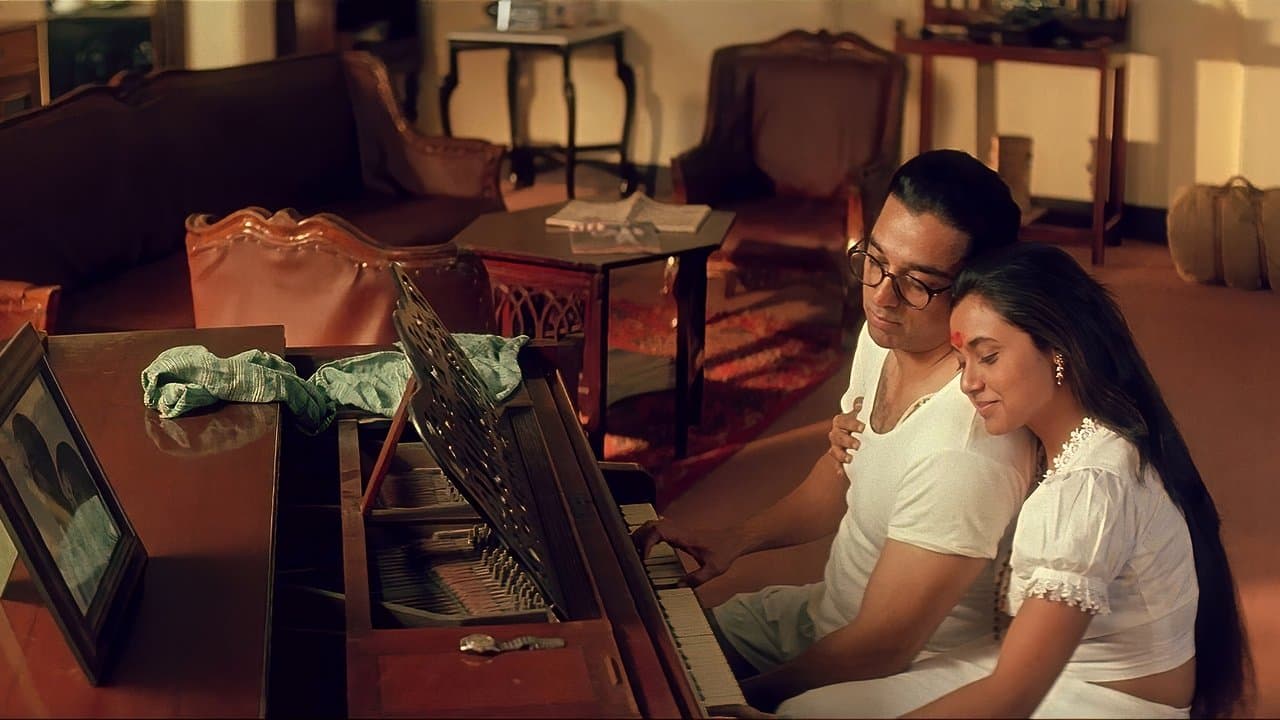
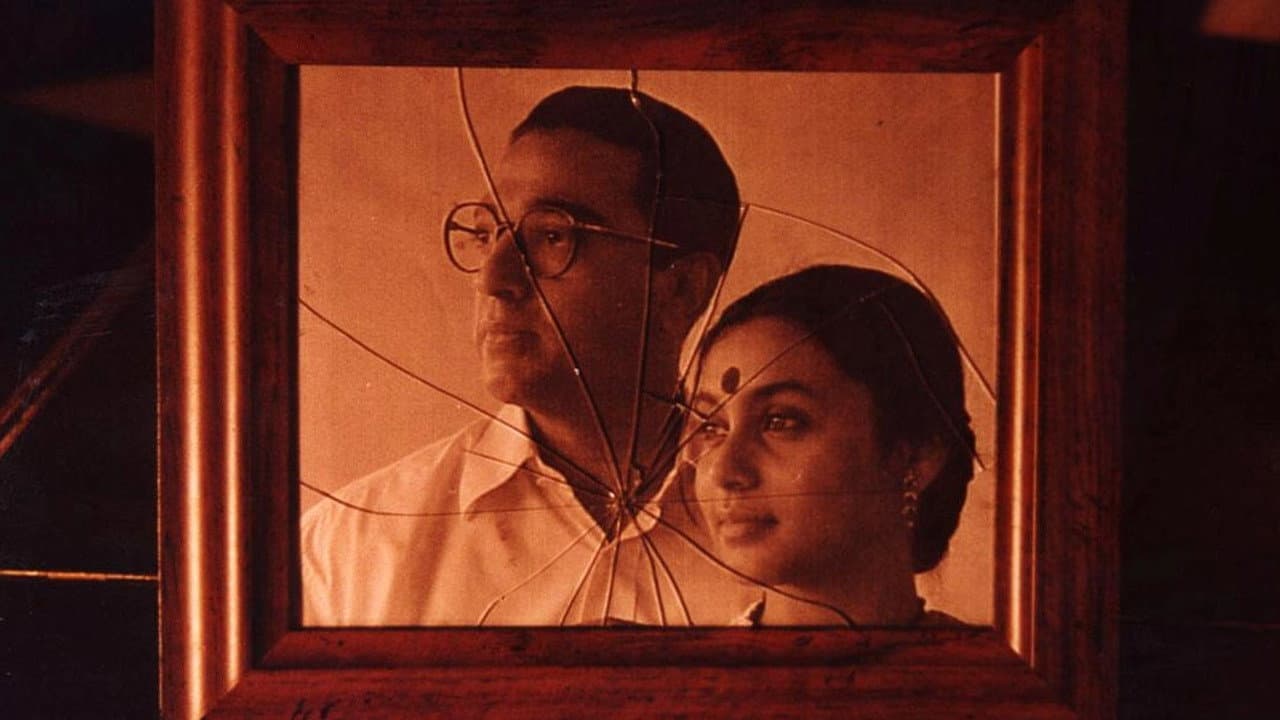
To call Hey Ram ambitious is an understatement. Kamal Haasan wrote, directed, produced, and starred in this film, and he treats the canvas of Partition-era India with the gravity it deserves. The film is framed as a confession - Saketh Ram, old and dying, unspools his memories to a friend. This structure allows the narrative to jump back and forth in time, weaving personal tragedy with public catastrophe. The nonlinear storytelling is not just stylistic; it mirrors the fractured psychology of a man who has lost every anchor in his life.
Visually, the film is austere and beautiful. Cinematographer and editor (Haasan himself, under a pseudonym) use muted colours, deep shadows, and long, patient takes. There are no flashy action sequences. The riot scenes are horrifying in their realism - handheld cameras, screaming crowds, the sound of breaking glass and of people’s lives. The violence is never gratuitous; it is presented as the irreversible damage it is.
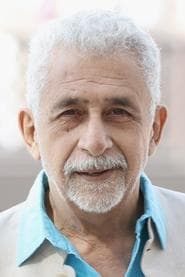
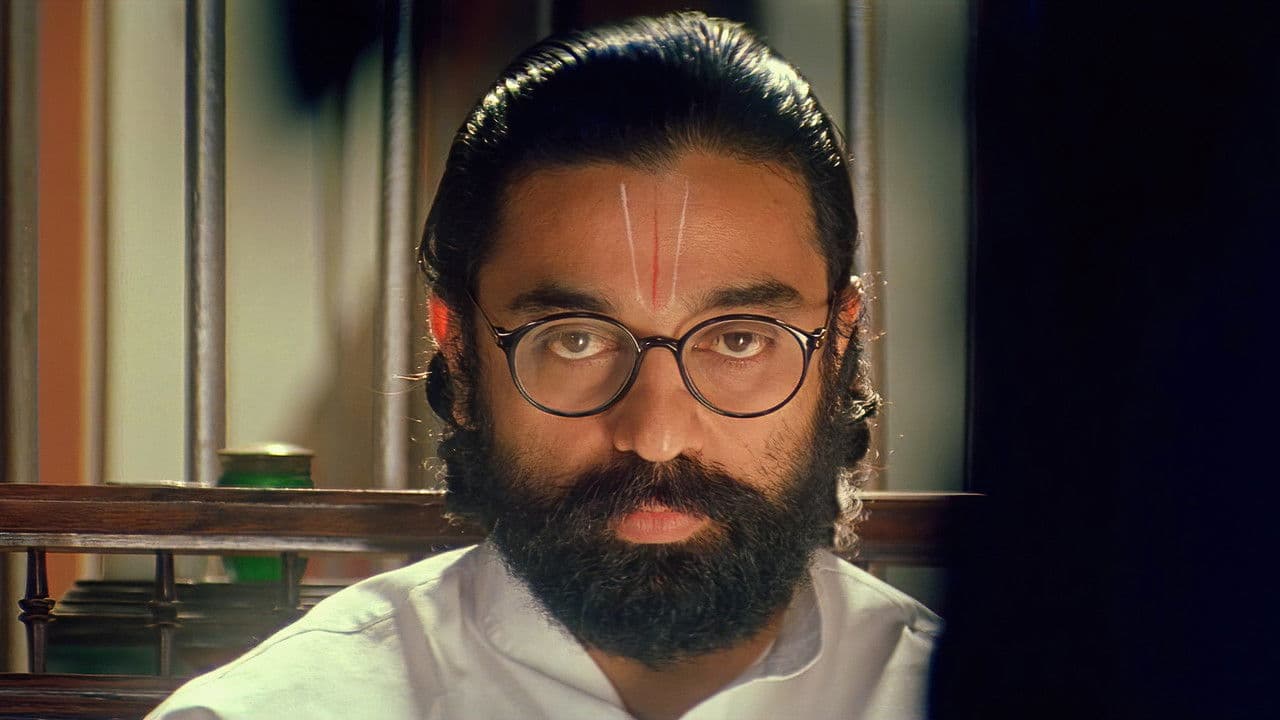
Kamal Haasan’s performance as Saketh Ram is a masterclass in controlled fury and quiet implosion. He does not play the character as a villain, nor as a tragic hero. He plays him as a man gradually becoming a stranger to himself. His eyes shift from warmth to coldness over the course of the film. Shah Rukh Khan, in a rare supporting role before his superstardom, is excellent as Amjad - his character’s arc is brief but devastating. Hema Malini brings a layered, dignified sorrow to Ambujam, Saketh’s second wife. Naseeruddin Shah’s Gandhi is neither a saint nor a caricature; he is a shrewd, frail, deeply human figure, and his scenes with Haasan crackle with ideological tension.
The film’s greatest strength is its moral complexity. Hey Ram does not endorse Saketh’s actions. It does not trivialize Gandhi, either. Instead, it puts the two in a room together: one man who believes in nonviolence at any cost, another who believes that nonviolence has already cost everything. The film refuses to pick sides, yet it is never morally relativistic. It simply insists that we understand the road that leads a good man to a terrible decision.
The runtime - 199 minutes - is daunting. Some middle stretches, especially the scenes in the southern village with Mythili’s family, could have been trimmed. The film’s pace is deliberate, almost glacial at times. But that is the point. Hey Ram wants you to sit in the discomfort, to feel the weight of history, the long silences before a bullet leaves the chamber.
The music, composed by Ilaiyaraaja, is haunting. The title song “Hey Ram” - a plea to a God who seems absent - becomes a leitmotif for the film’s search for meaning in madness. The background score is sparse, letting ambient sound and silence do the work.