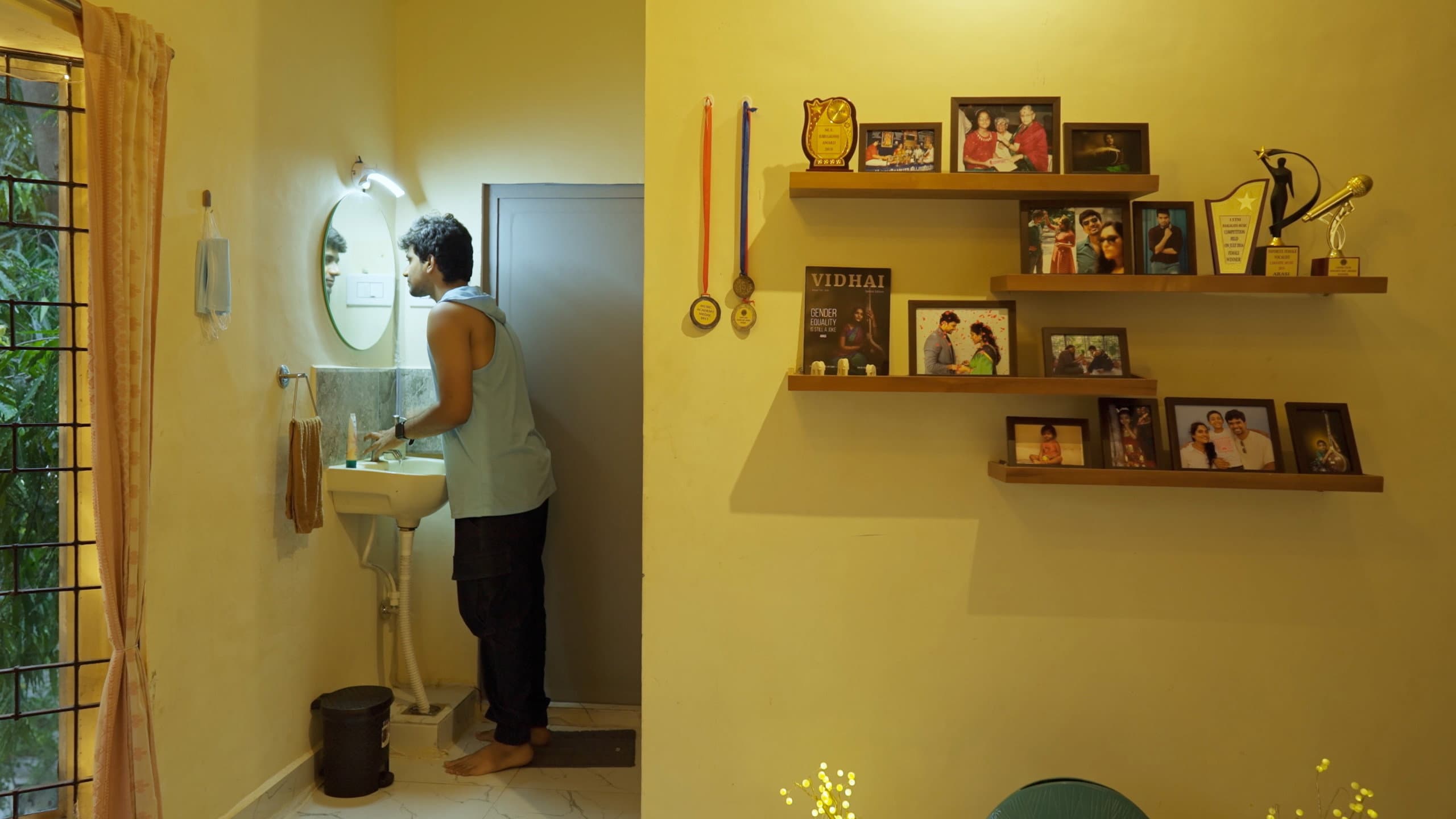
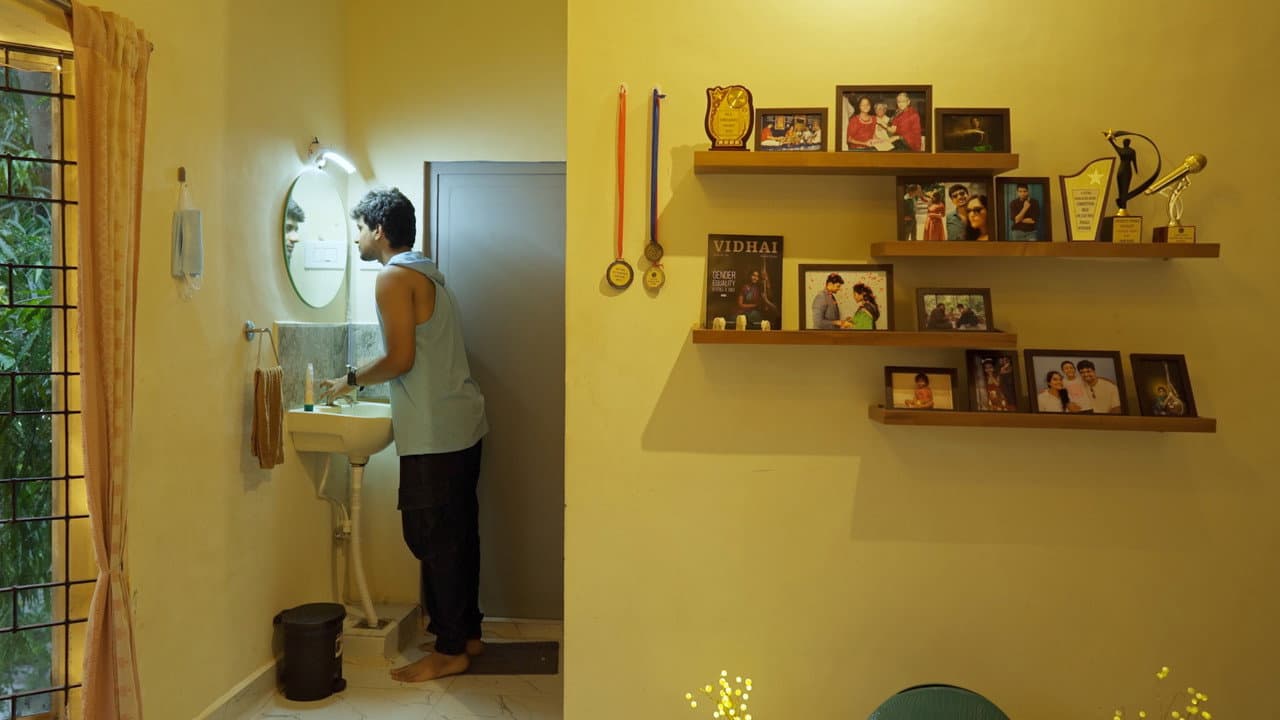
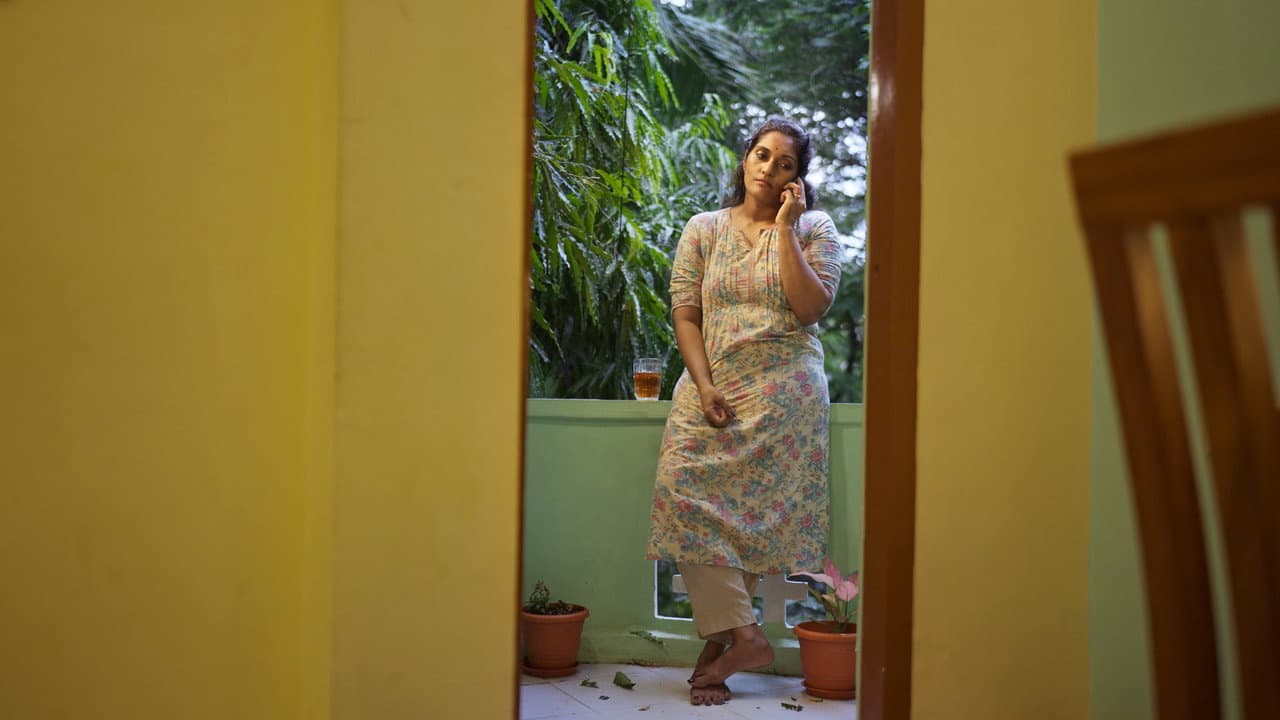
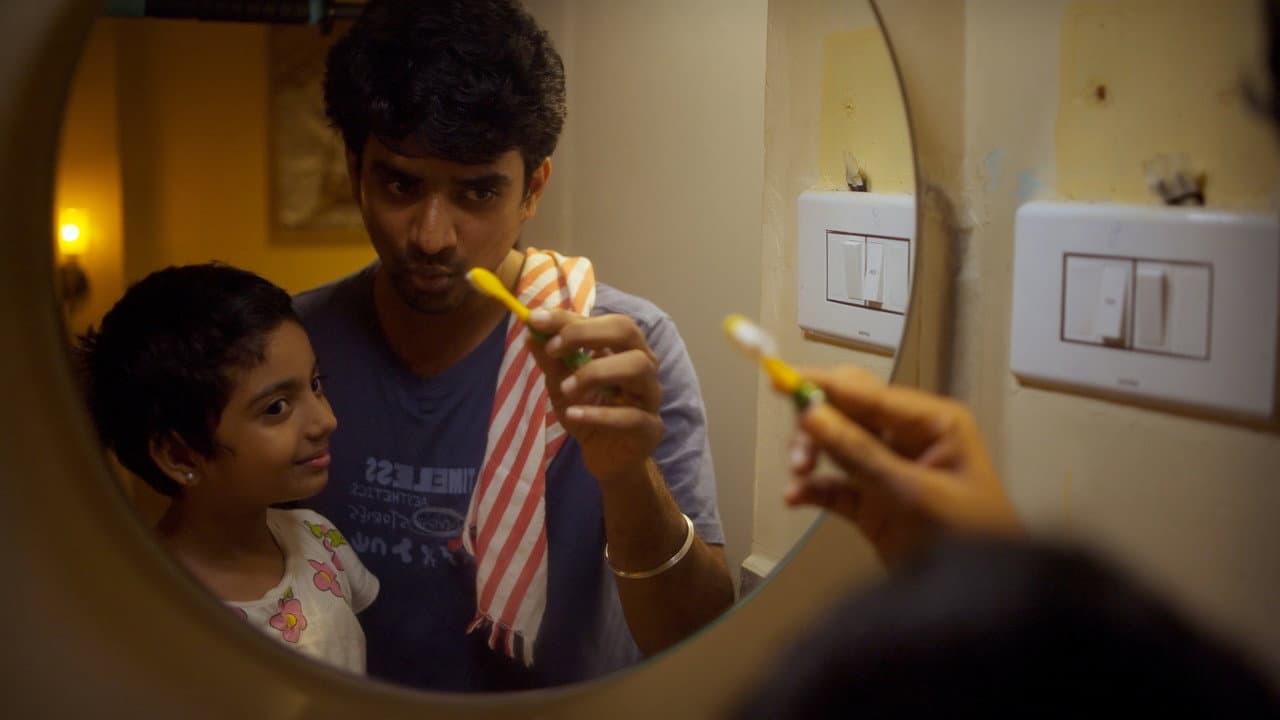
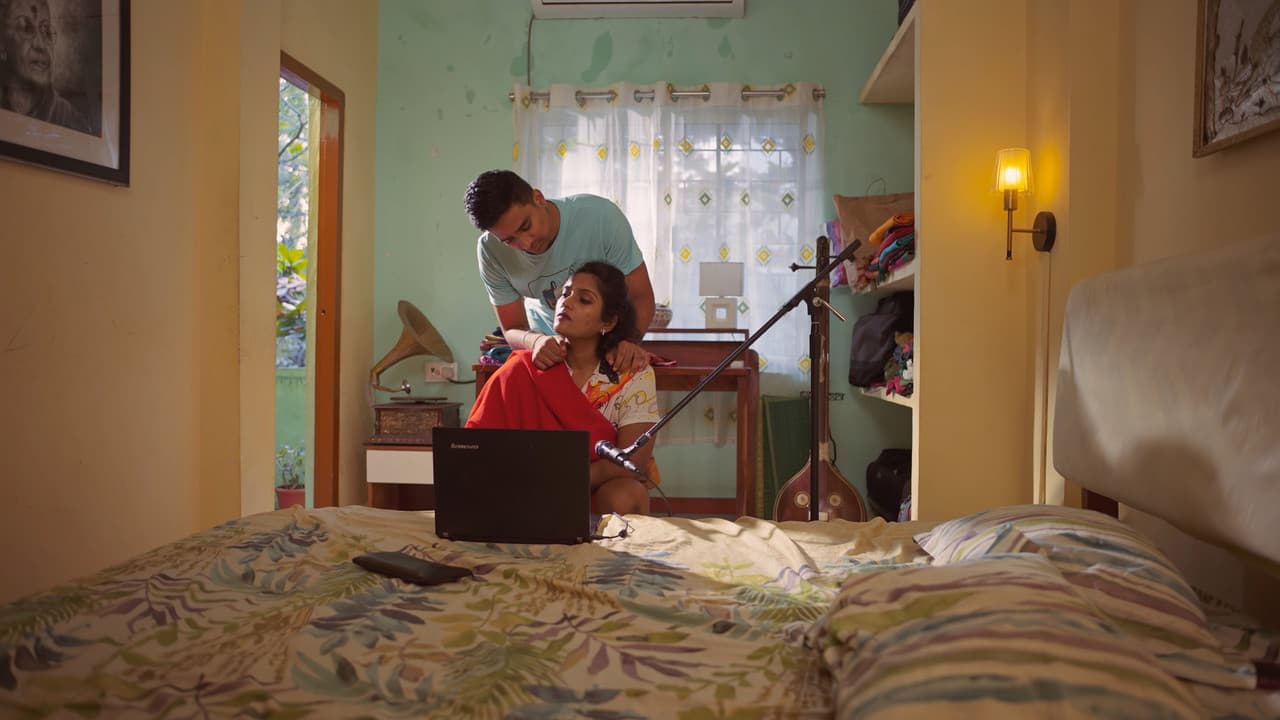
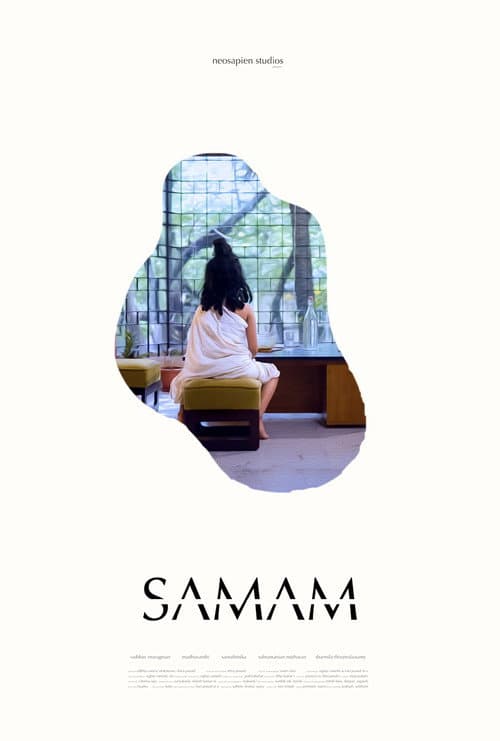
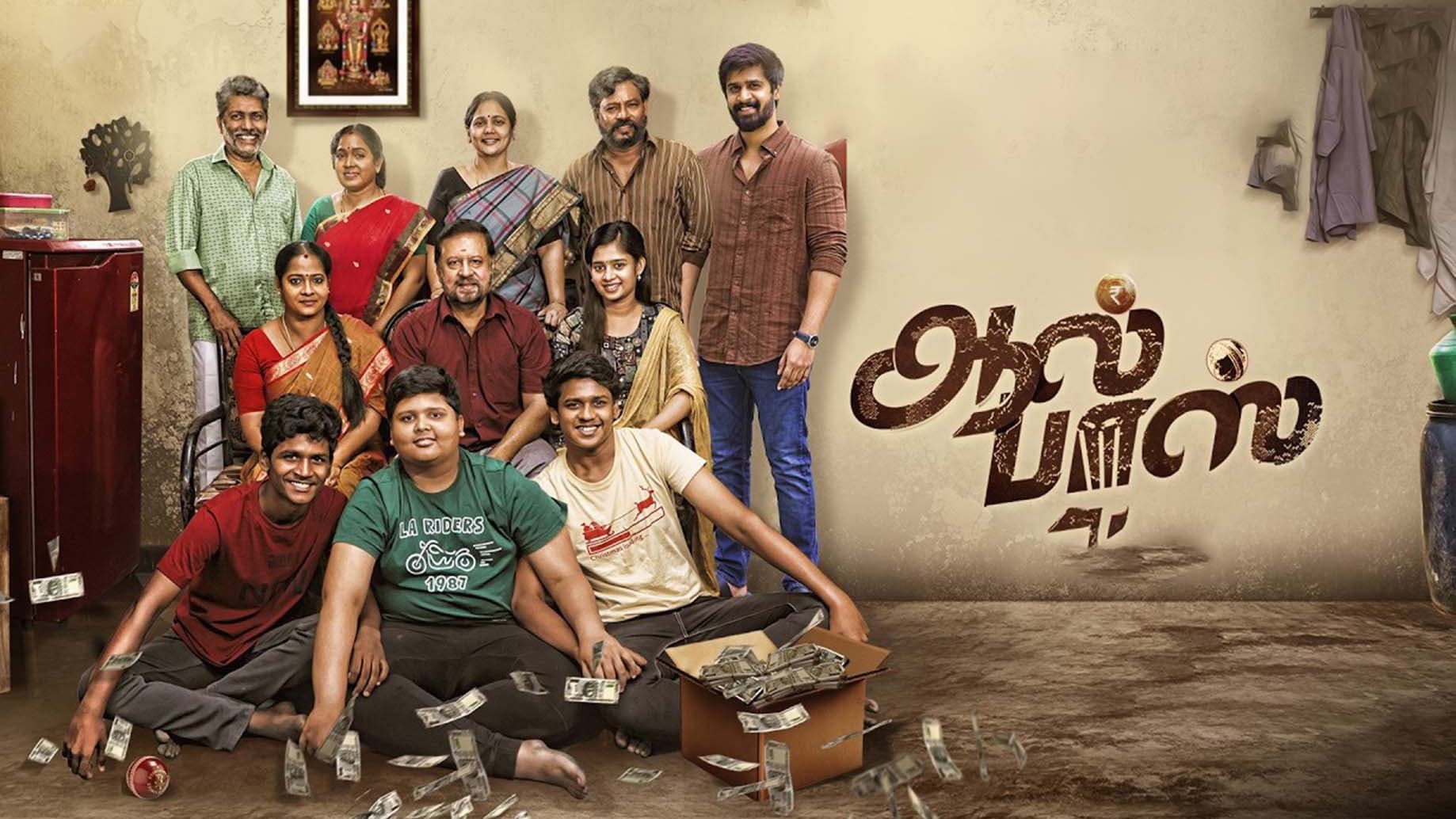
The film’s greatest strength is its screenplay, which excels at the poetry of the everyday. Prasad’s direction allows scenes to breathe; a simple shot of Arasi tuning her tanpura while simultaneously stirring the sambar becomes a portrait of invisible labor. The dialogue, translated here with sharp wit, crackles with the tonal whiplash of domestic life - one moment a loving banter about Bhoomi’s school project, the next a passive-aggressive jab about whose “work” actually matters. The film’s brand of comedy is dry and uncomfortable; you laugh, then realize the joke is on you.
Vaibhav Murugesan delivers a career-best performance as Azhaghu. He’s not a villain, which is precisely the point. He’s a man genuinely convinced of his own modernity, a supportive husband who doesn’t see how his reflexive dismissal of Arasi’s “hobby” versus his “career” shapes their entire dynamic. Murugesan captures that frustrating sincerity perfectly - his confidence is a shield, not a weapon. Opposite him, Madhuvanthi is a revelation as Arasi. She conveys a lifetime of suppressed ambition in a single lowered gaze or a hesitant pause before she asks for help. Her final scene, a quiet solo performance with tears unshed, is worth the price of admission alone.
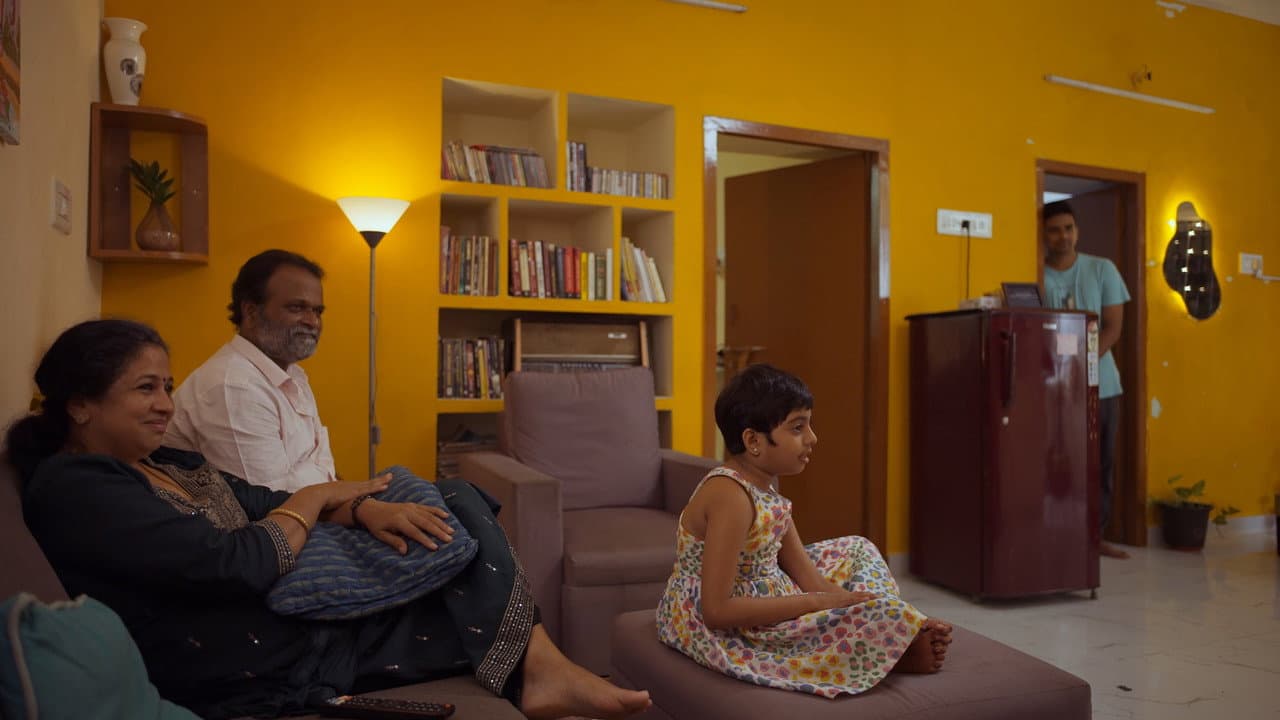
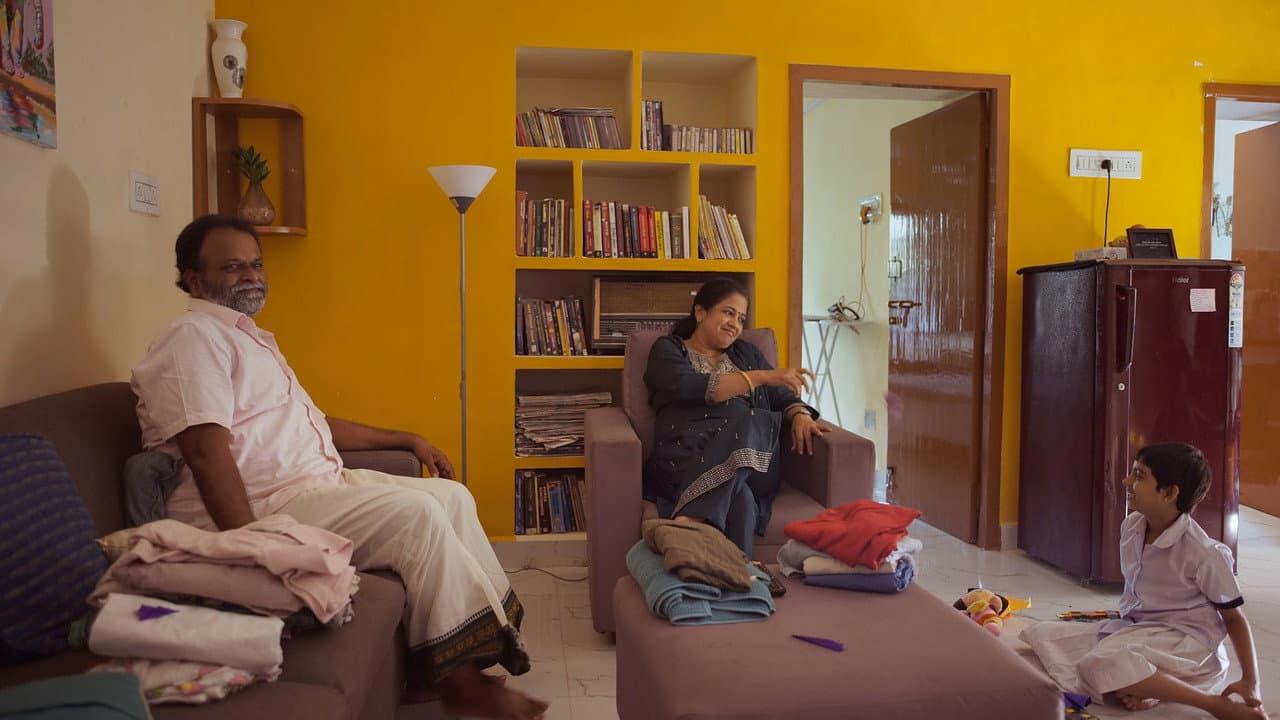
The child actor Samathmika is wonderfully natural, and the grandparents, particularly Subramanian Madhavan’s Thillai, provide a crucial generational anchor. Thillai isn’t a one-note regressive; he’s a product of his environment, and the film wisely uses him to show that this mindset isn’t merely patriarchal, but a broader, self-reinforcing hierarchy of age, gender, and perceived worth. Where the film stumbles is in its attempts at “fantasy” elements. There are brief, surreal interludes - a talking appliance here, a dream-like musical number there - that feel conceptually interesting but are so understated they disrupt the otherwise grounded realism without adding meaningful dimension. They seem to hint at a magical realism the film doesn’t fully commit to.
The pacing also tends to lag in the middle act, with a few repetitive conversations about the interview and the concert that circle the same point. But Prasad’s restraint pays off in the finale. He doesn’t offer a cathartic explosion or a neat resolution. Instead, he leaves us with a quiet, humbling epiphany - the recognition that even when the day is “saved,” the structure that caused the problem remains untouched. The final shot lingers on a door slightly ajar, a symbol of the unresolved, the unspoken.