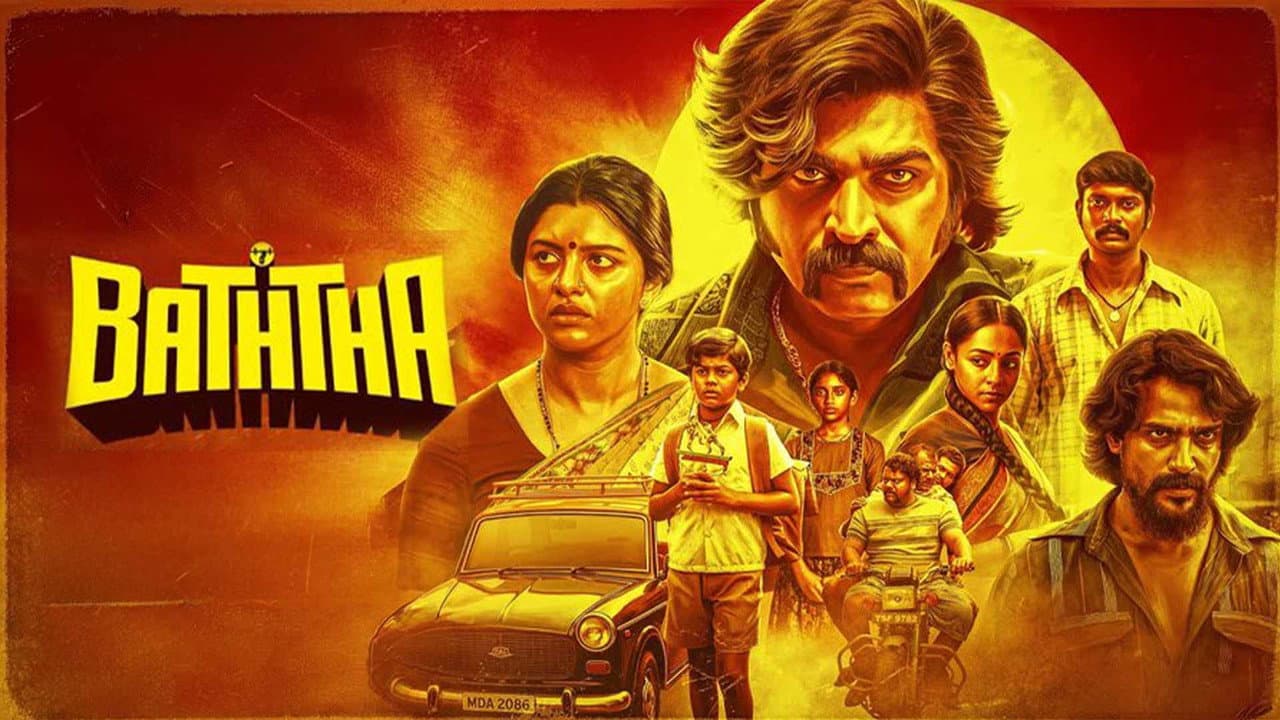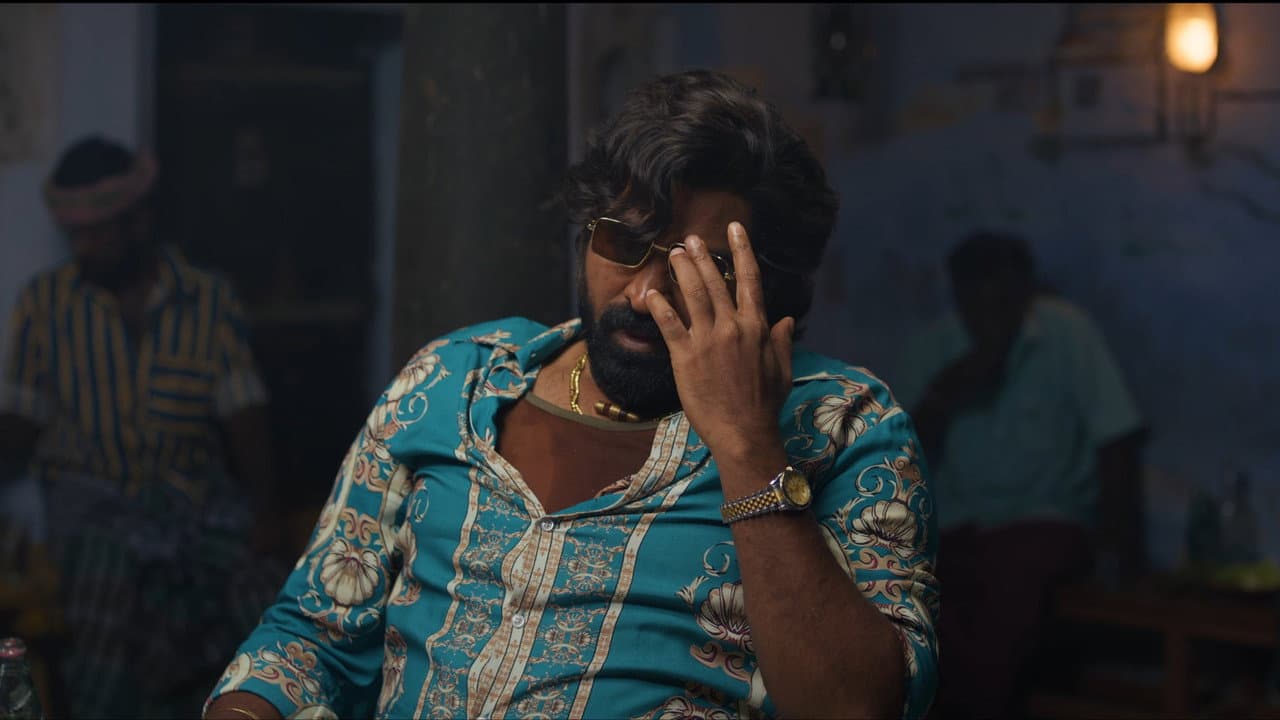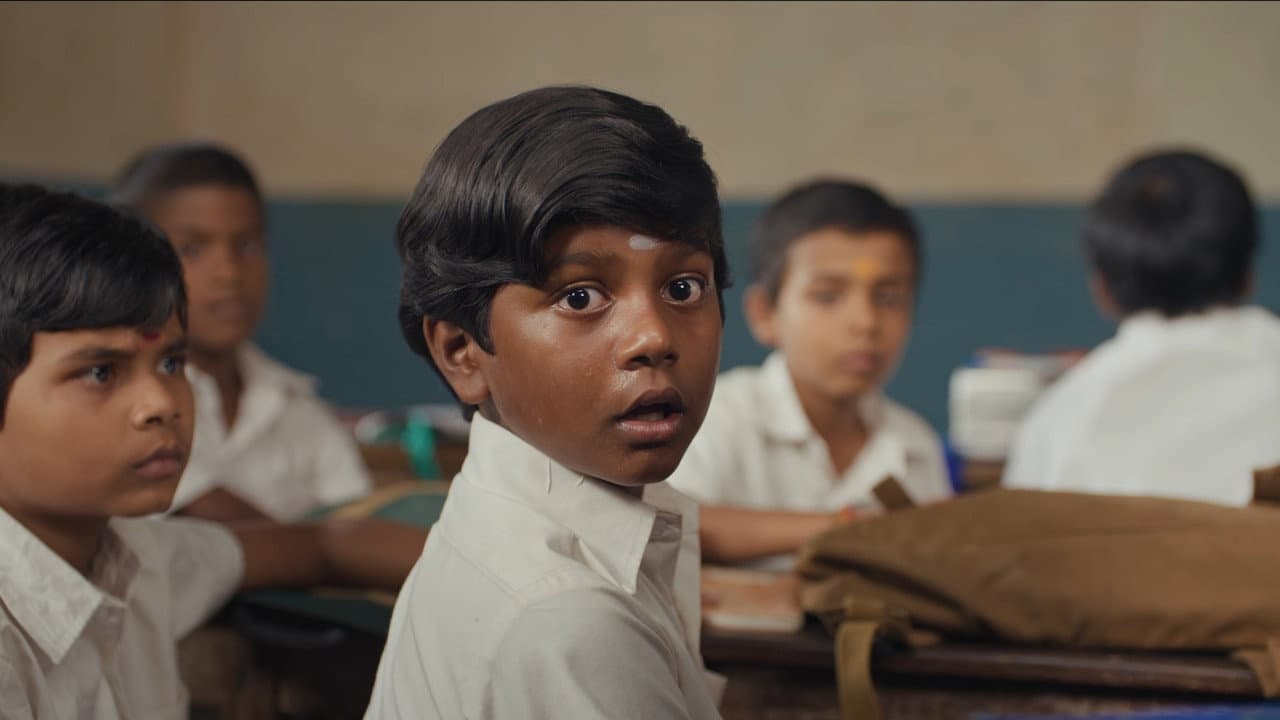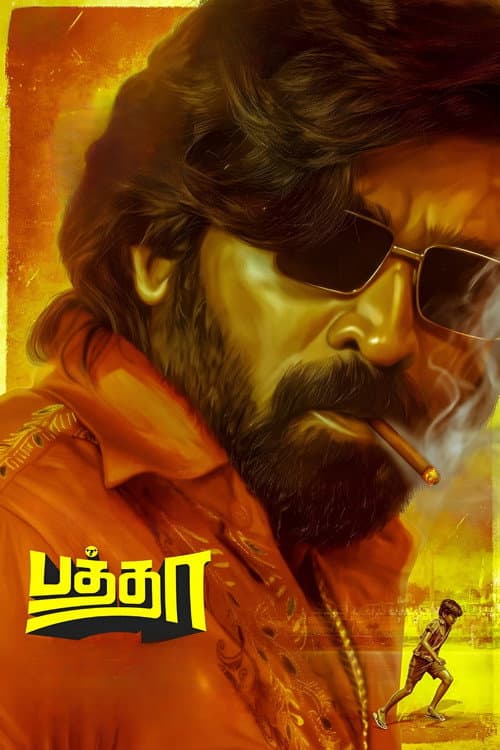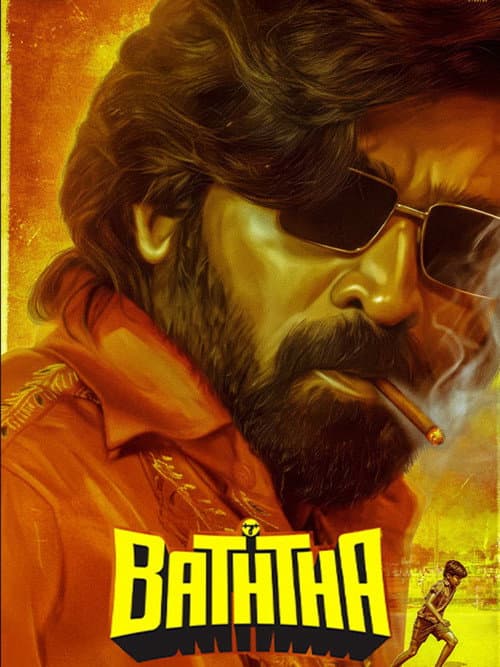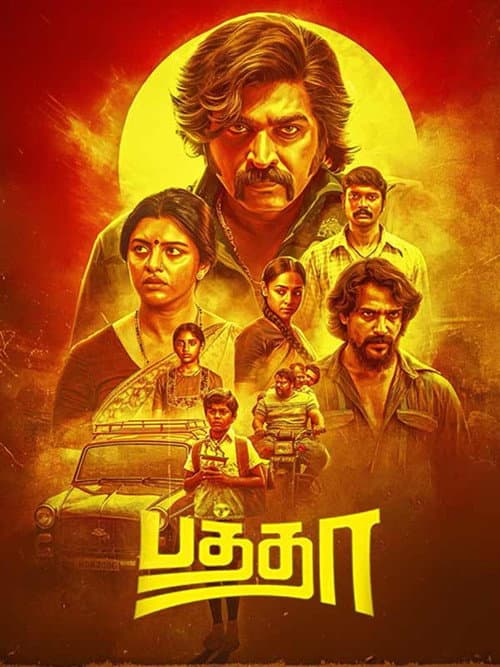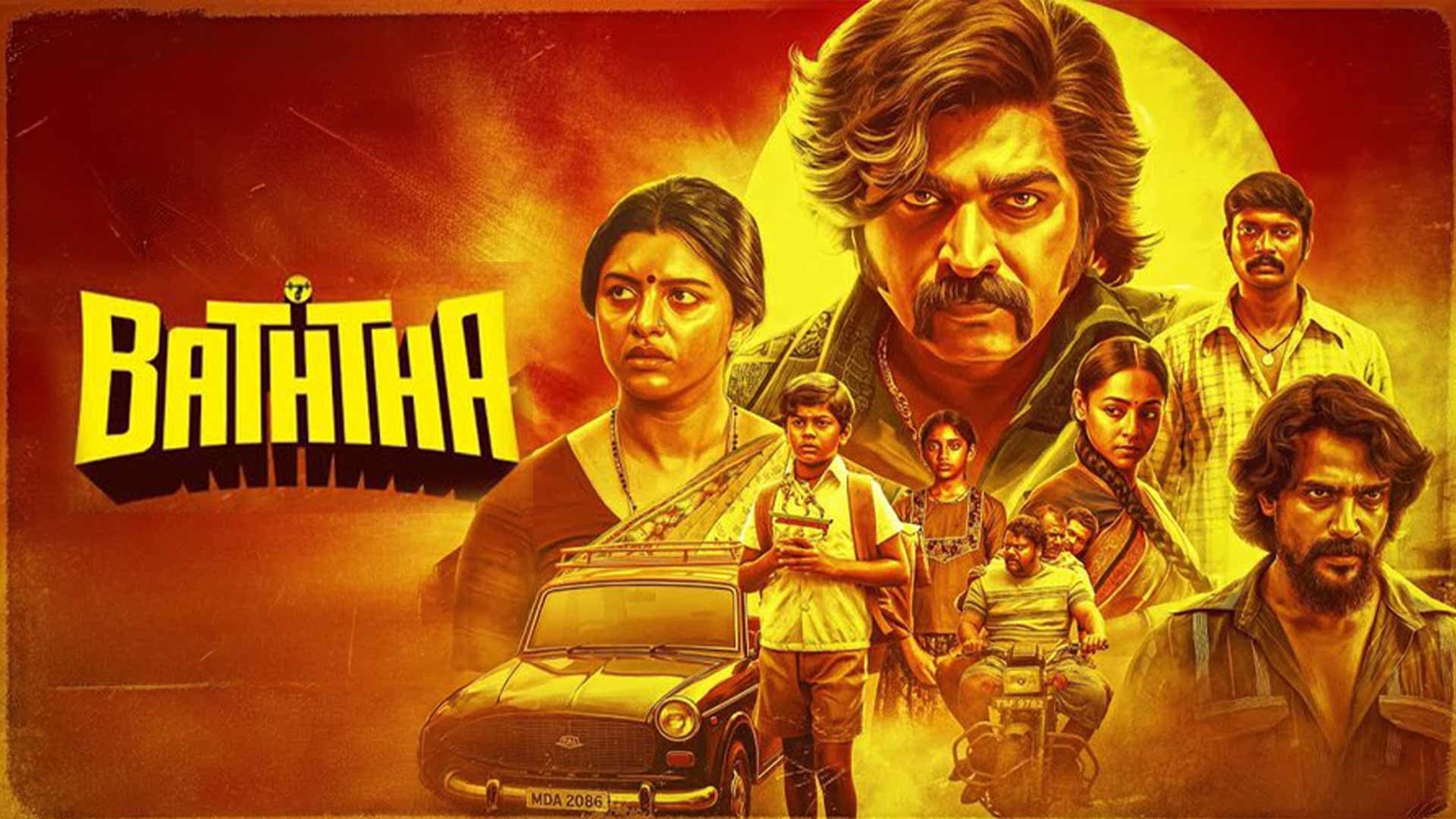
Madras, 1986. A school stands empty, its corridors thick with dust and the particular silence that only abandoned buildings manage. Into this space wanders an eight-year-old boy - small, hesitant, the kind of child who apologises to furniture he bumps into. Through a chain of small accidents and childhood panic, he ends up locking a gangster inside a toilet. Not a petty crook. A man whose name makes grown men lower their voices.
What follows is not a chase. There is no rescue squad, no ticking clock in the usual sense. Instead, Tharaneetharan does something braver: he lets two people sit with each other across a locked door. The gangster, stripped of his men, his weapons and his reputation, must grapple with hunger, with the slow creep of loneliness, and with a vulnerability he has spent decades burying. The boy, terrified at first, finds his fear slowly giving way to curiosity - and then to something resembling care. What grows between them across the film's long middle stretch is a bond that neither would have chosen and neither can quite name. The turning point, when it comes, lands with the weight of inevitability rather than shock.