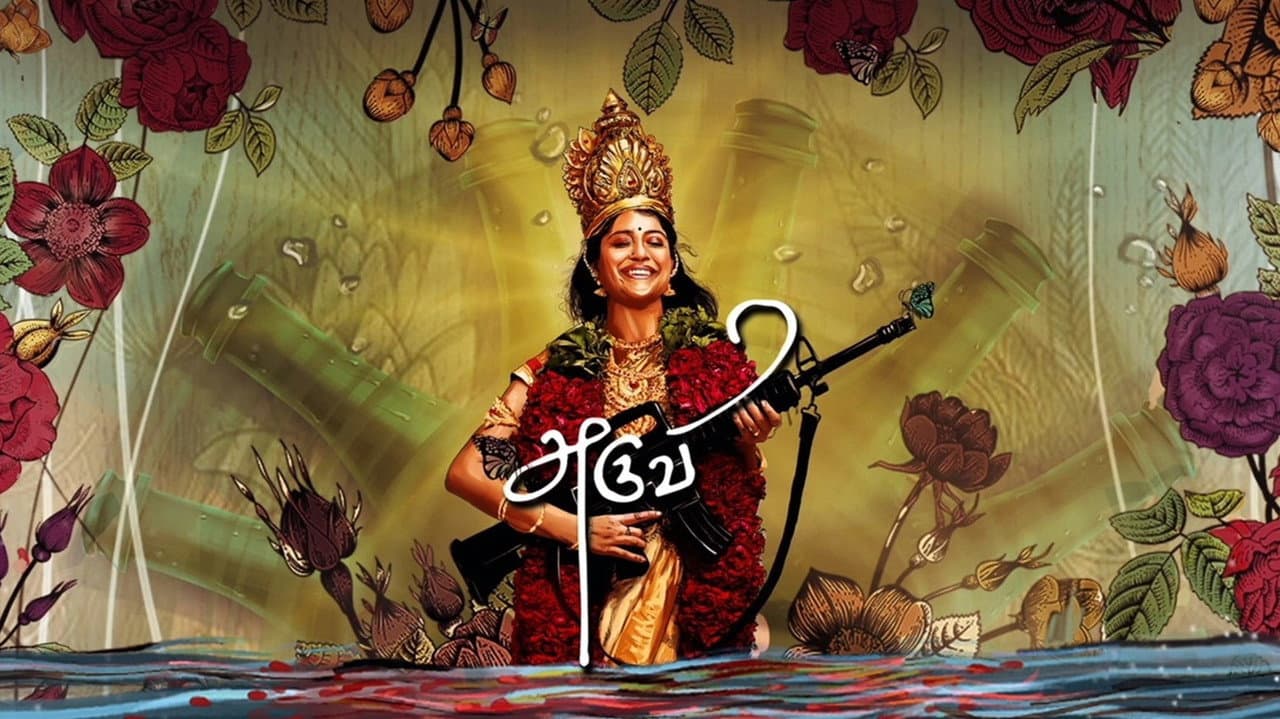
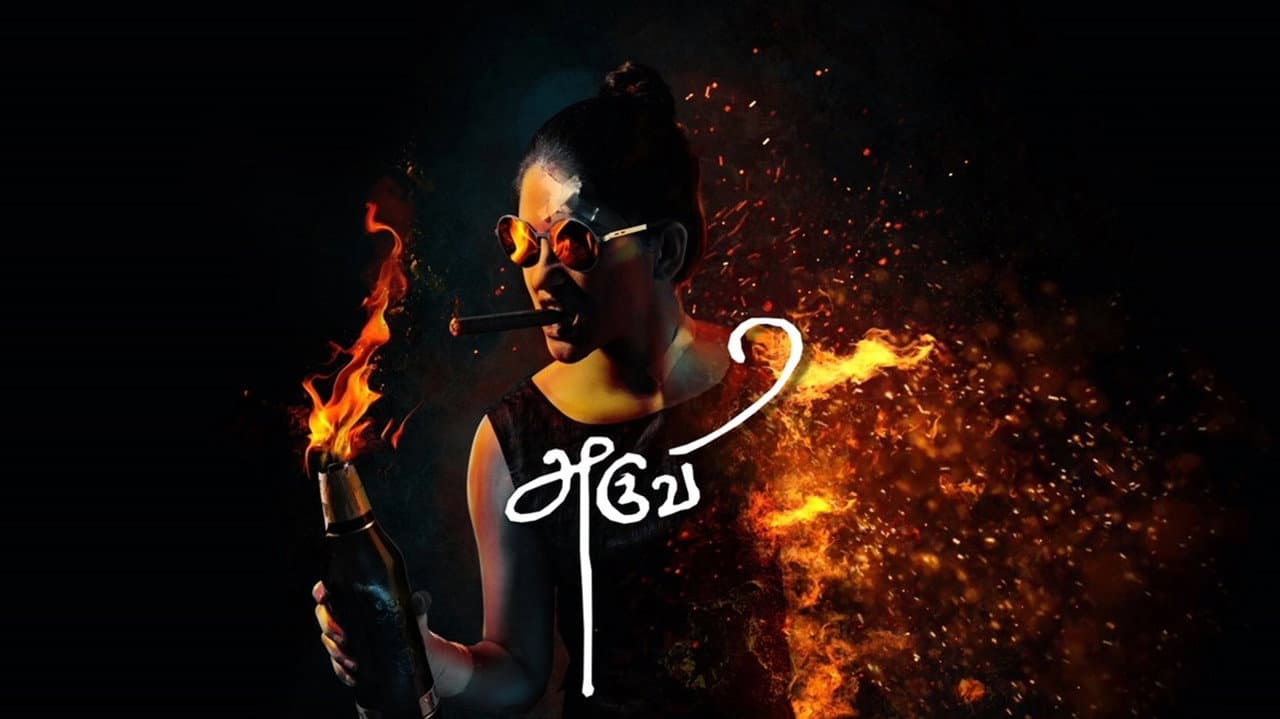
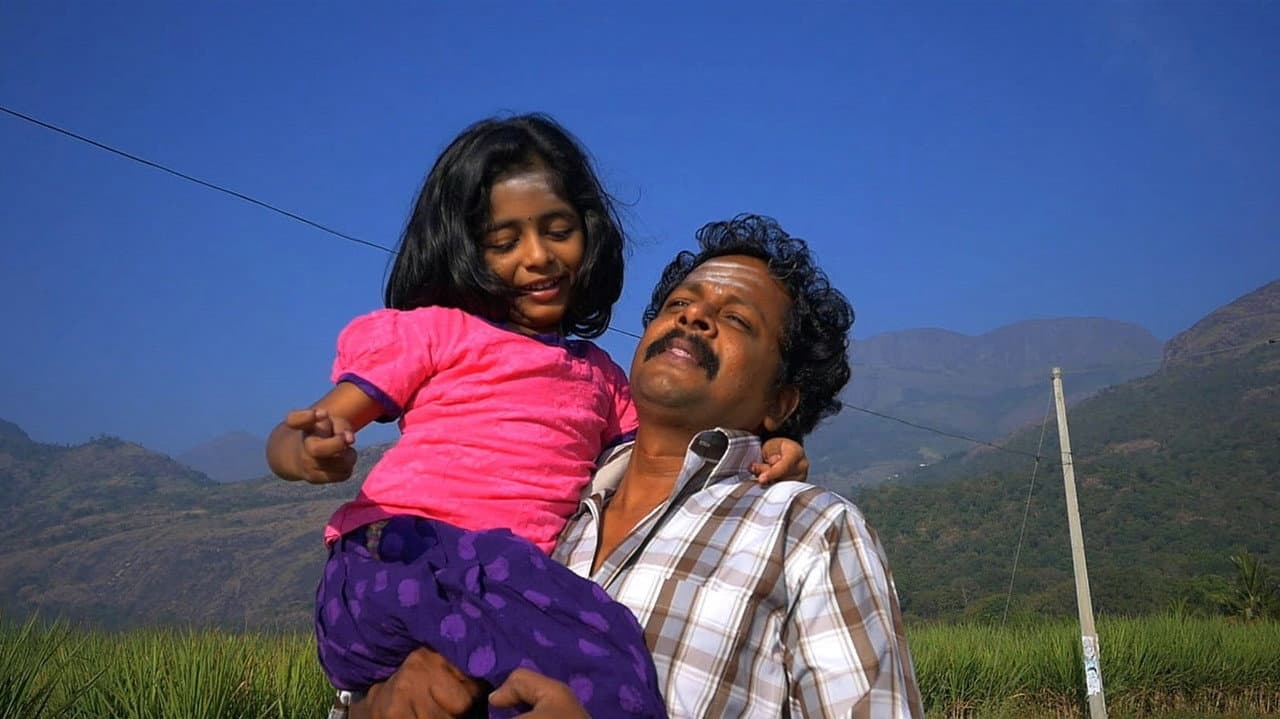
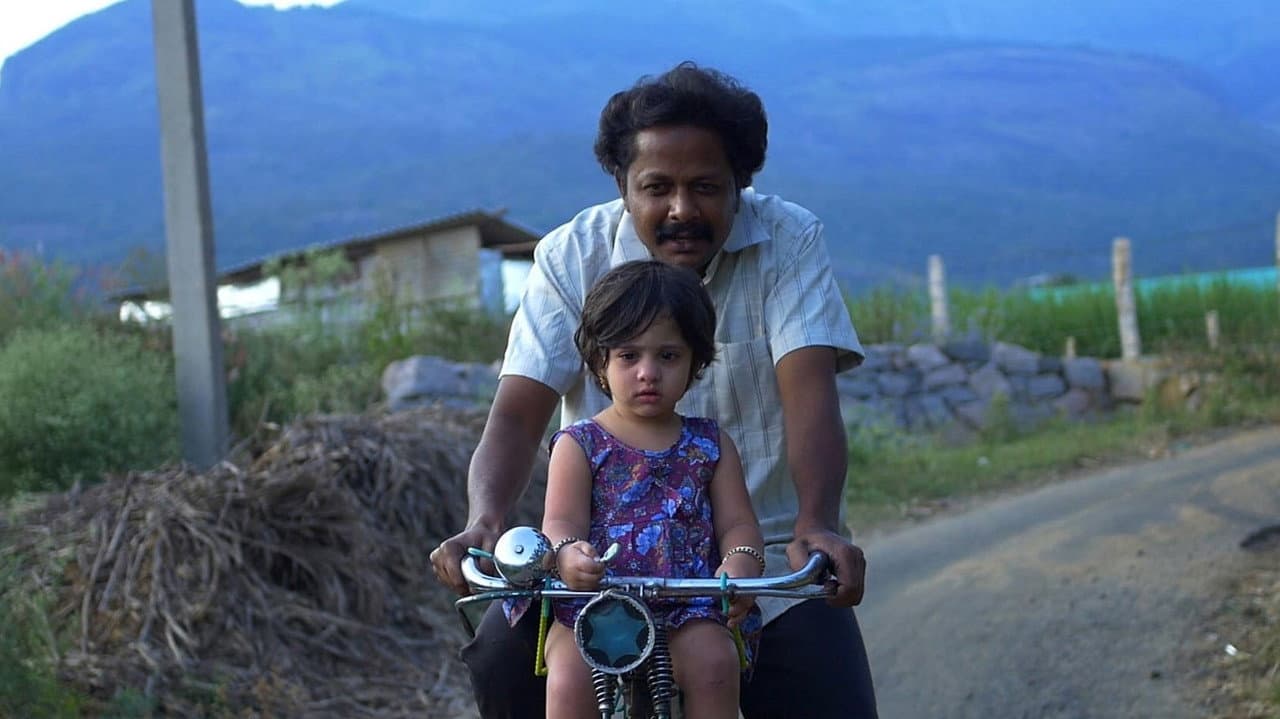
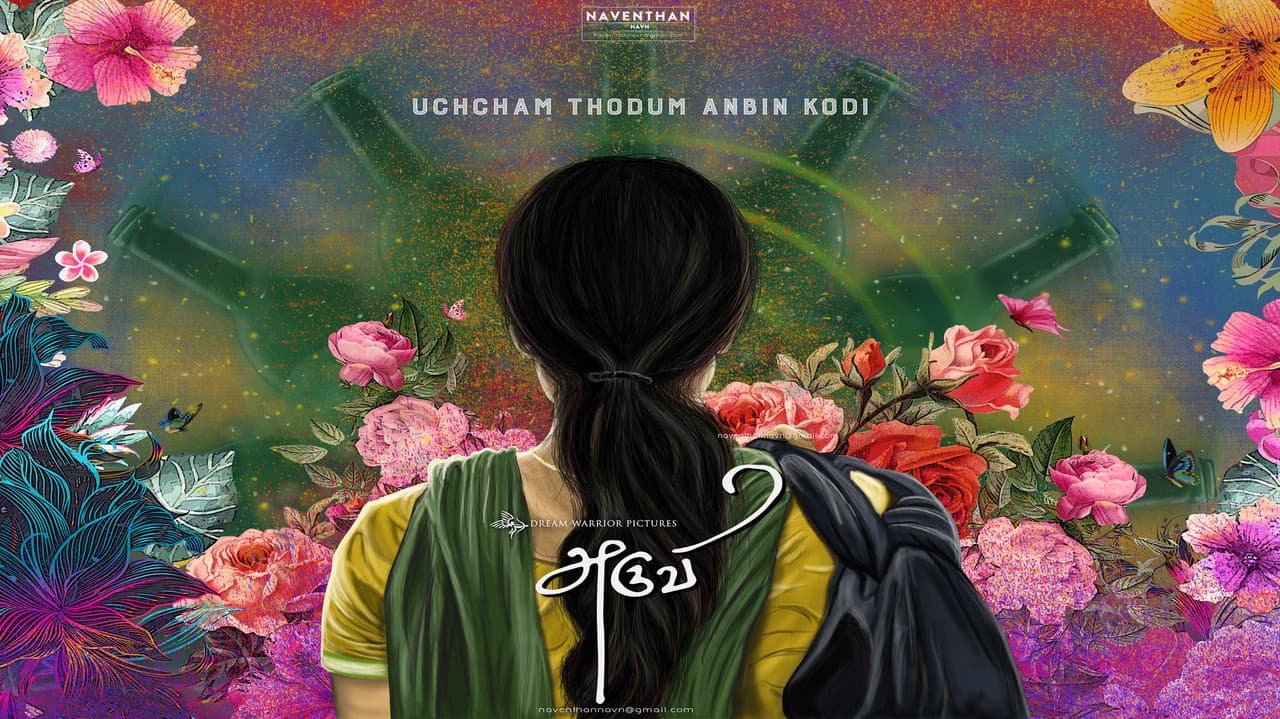
The film opens on a young woman in a sterile, clinical room, covered in blood, being questioned by a journalist. We flash back to her childhood. Aruvi (Aditi Balan) grows up in a middle-class Tamil household, where her father’s rigid expectations and her mother’s silent compliance form the walls of her world. She is bright, but socially awkward-too earnest for the cynical crowd she encounters in college, too gentle for the cutthroat corporate world she later enters. A sexual assault shatters her fragile equilibrium. When society blames her, Aruvi decides she has had enough. She takes hostages, demands a live broadcast, and uses the spotlight to expose the hypocrisies that have suffocated her from birth. The narrative spirals from tragedy to catharsis to a final, devastating punch.

Aruvi Movie Review: A Bold, Brilliant Indie Gem
Director
Arun Prabu Purushothaman
Language
TA
Release
2017-12-15
Runtime
122 min
Quick Verdict
Aruvi is not a film you watch-it’s a film you survive. Arun Prabu Purushothaman’s debut is a raw, unflinching drama that weaponizes its quiet protagonist against the very fabric of contemporary society. Aditi Balan delivers a performance so visceral it feels less like acting and more like exorcism. If you seek comfort cinema, look elsewhere. If you want to be shaken, unsettled, and moved, Aruvi is essential viewing.
Story
Review
Let’s address the elephant in the room: this is not an easy watch. Aruvi is deliberately abrasive, its tone oscillating between deadpan satire and gut-punch realism. Arun Prabu Purushothaman directs with the confidence of a veteran, using long, static takes that force you to sit in the discomfort of Aruvi’s world. The color palette shifts from muted beiges and greens in the first half to stark, fluorescent whites in the second-a visual metaphor for the exposure of hidden rot.
Aditi Balan is the film’s beating heart and its torn-out lungs. She embodies Aruvi’s transformation from a fragile, bird-like girl into a snarling, righteous force of nature. Her eyes convey volumes: fear, rage, exhaustion, and a flicker of tenderness that never fully extinguishes. The supporting cast is uniformly strong-Shwetha Shekar as the empathetic friend Jessy, Lakshmi Gopalaswamy as the cold corporate boss, and Mohammad Ali Baig as the manipulative journalist-but this is Balan’s film. She earns every tear, every scream, every moment of silence.
The screenplay is sharp but uneven. The first half meanders through Aruvi’s adolescence with a whip-smart satirical edge, skewering consumerism, Instagram culture, and the shallow performance of modern relationships. A sequence set in a corporate office, where employees are forced to sing motivational songs, is both hilarious and horrifying. But the pacing can feel languid; several scenes could have been trimmed without losing impact.
Where Aruvi truly soars is its second half, set almost entirely in the hostage room. Here, the film becomes a psychological thriller and a social manifesto rolled into one. The monologues-about caste, class, gender, and the commodification of human pain-are written with scalpel-like precision. Yet Purushothaman resists easy villain-making. The journalist, the police, even the hostages are not caricatures; they are products of the same system that broke Aruvi. This moral ambiguity elevates the film above simple catharsis.
The music by Ved Shankar is sparse but effective, using silence and ambient noise to amplify tension. The cinematography is claustrophobic, often trapping Aruvi in tight frames or behind glass, mirroring her isolation. The final shot-a close-up of her face as the camera slowly pulls back-is haunting and unforgettable.
Pros & Cons
Pros
- Aditi Balan’s career-defining performance-raw, vulnerable, and ferocious.
- Bold, unapologetic satire of consumerism, social media, and institutional hypocrisy.
- Stunning direction and cinematography that weaponize space and color.
- A second half that crackles with tension and ideological heft.
- No black-and-white villains; the film indicts the system, not individuals.
Cons
- First-half pacing drags; some subplots (college romance, office politics) feel undercooked.
- The tonal whiplash between satire and tragedy can be jarring.
- A few monologues verge on preachy, sacrificing subtlety for message.
- Not for the faint of heart-the assault scene and its aftermath are deeply disturbing.
Rating Breakdown
Final Verdict
Aruvi is a Molotov cocktail lobbed at the altar of modern civilization. It is uncomfortable, uneven, and occasionally overreaching-but it is also brilliant, brave, and brutally honest. Arun Prabu Purushothaman announces himself as a filmmaker who refuses to flinch. Aditi Balan delivers a performance so emotionally naked it feels like a confession. The film has aged remarkably well since its 2017 release, its critiques of digital narcissism and systemic apathy more relevant than ever in 2026.
Is it perfect? No. Is it essential? Absolutely. Watch it alone. Watch it with someone willing to discuss it afterward. Then sit with the silence. Aruvi demands nothing less.
Cast

Aditi Balan
Aruvi
Shwetha Shekar
Jessy

Lakshmi Gopalaswamy
Shobana
Mohammad Ali Baig
Mohammad Shakeel Waqaab

Kavitha Bharathi

Aruvi Bala
Thirunavukkarasu
Aruvi's father
Madhan Kumar Dhakshinamoorthy
Venkataapuri Sri Badri Sesaadri Deetsidhar
Anjali Varadhan
Emily
Gallery