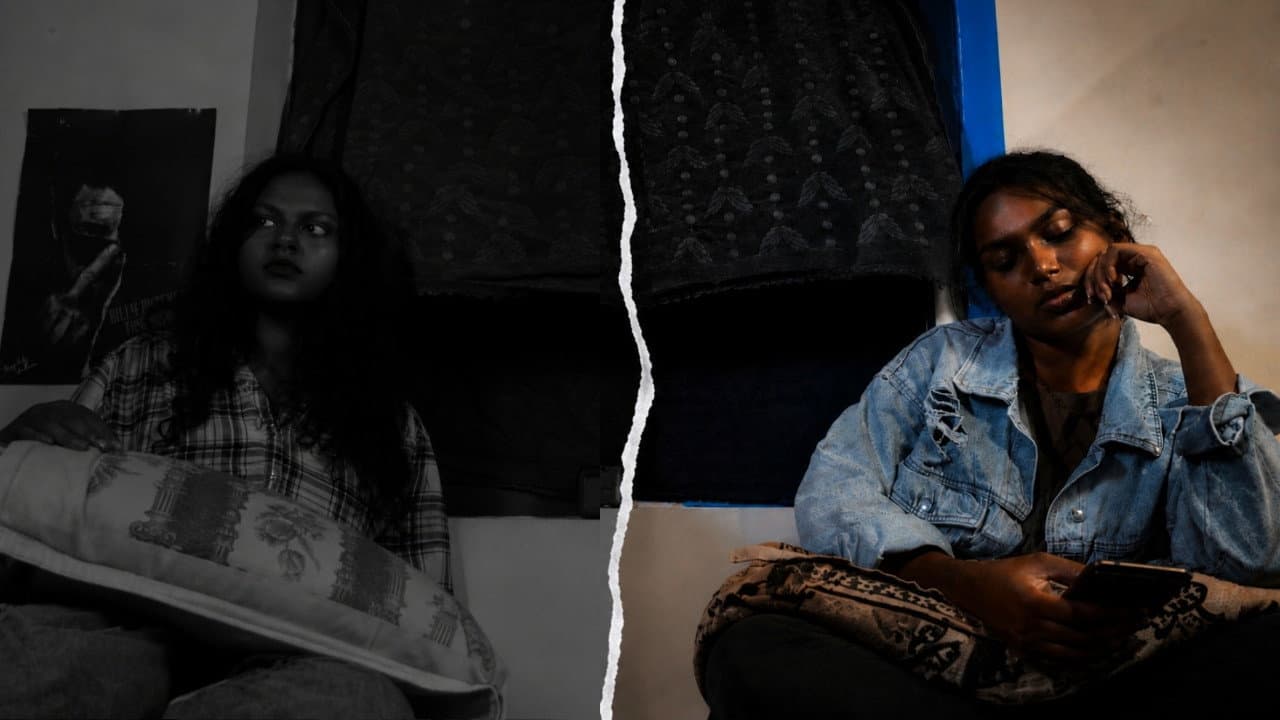
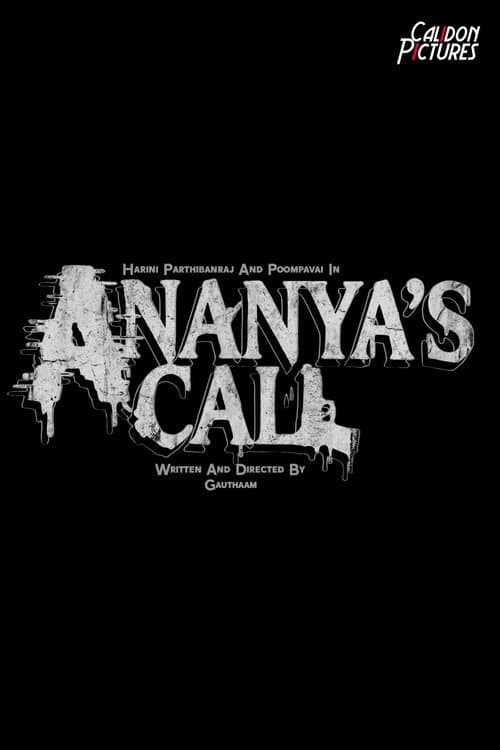
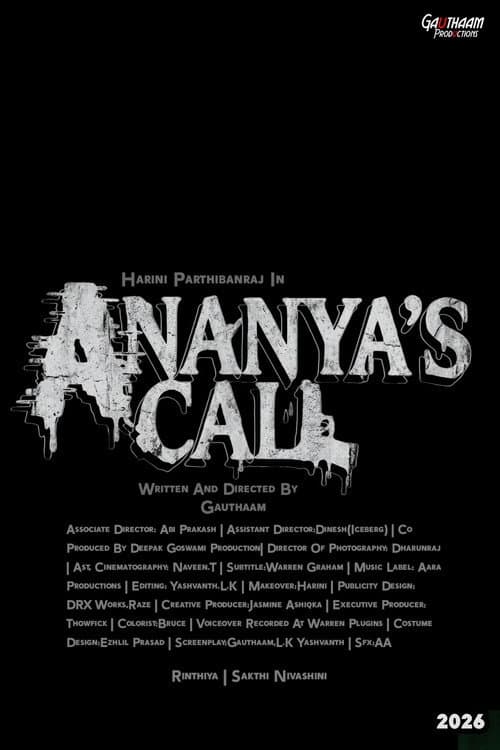
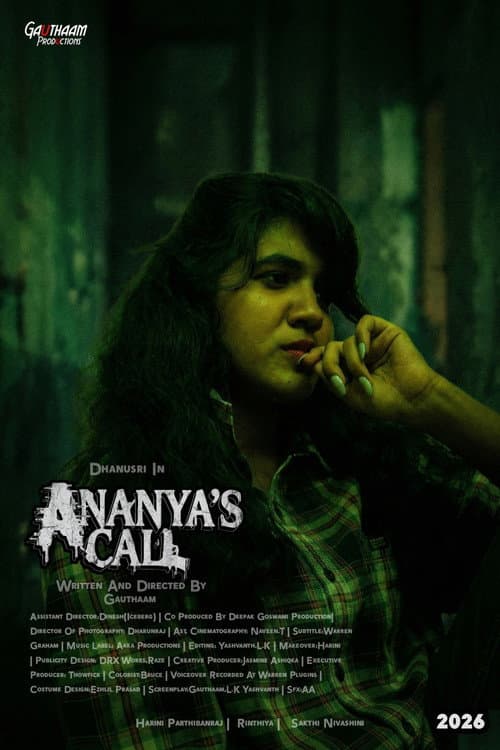
Harini Parthibanraj carries the entire film on her shoulders, and she does so with a magnetic, frayed intensity. Her face is the film’s primary special effect - micro-expressions flickering between denial, panic, and a hollow acceptance. When she whispers a warning into the receiver, you feel the weight of every syllable rewriting existence. Poompavai, though limited to a few scenes as a mother whose memory is being erased, delivers a gut-punch of quiet devastation. The voice cast - Rinthiya and Sakthi Nivashini - deserve special mention; they convey terror and confusion through audio alone, which is a deceptively difficult skill.
Gauthaam’s direction is remarkably assured for a premise that could easily collapse into convoluted nonsense. He shoots the apartment like a pressure cooker: wide shots emphasize Ananya’s isolation, while claustrophobic close-ups on the landline’s coiled cord make the telephone feel like a venomous serpent. The sound design is the unsung hero - background hums, static hisses, and a recurring, ominous ticking that accelerates during timeline shifts. There’s no score in the traditional sense, just ambient dread, which is a bold choice that pays off.
The screenplay, however, occasionally trips over its own cleverness. The rules of the time-loop are sketched out verbally rather than visually, and a mid-film exposition dump feels rushed. You may find yourself rewinding to parse exactly why saving Sobiga erases Navya - the causal link is emotional, not logical, and some viewers will rebel against that. But here’s the thing: Ananya’s Call isn’t about physics. It’s about the frantic, irrational math of grief, where any sacrifice feels acceptable if it delays the pain of loss. Once you accept that the film’s “science” is really metaphor, the narrative cracks smooth over.
The ending is a masterstroke. Without spoiling, it denies the easy catharsis of a “happy timeline” and instead lands on a quiet, devastating note of acceptance. Ananya realizes that some calls are not meant to be answered - they are meant to be heard, processed, and released. It’s a rare piece of speculative fiction that argues against the power of intervention, favoring the tragic wisdom of letting go. That philosophical maturity elevates the film from a clever puzzle to a genuine piece of art.