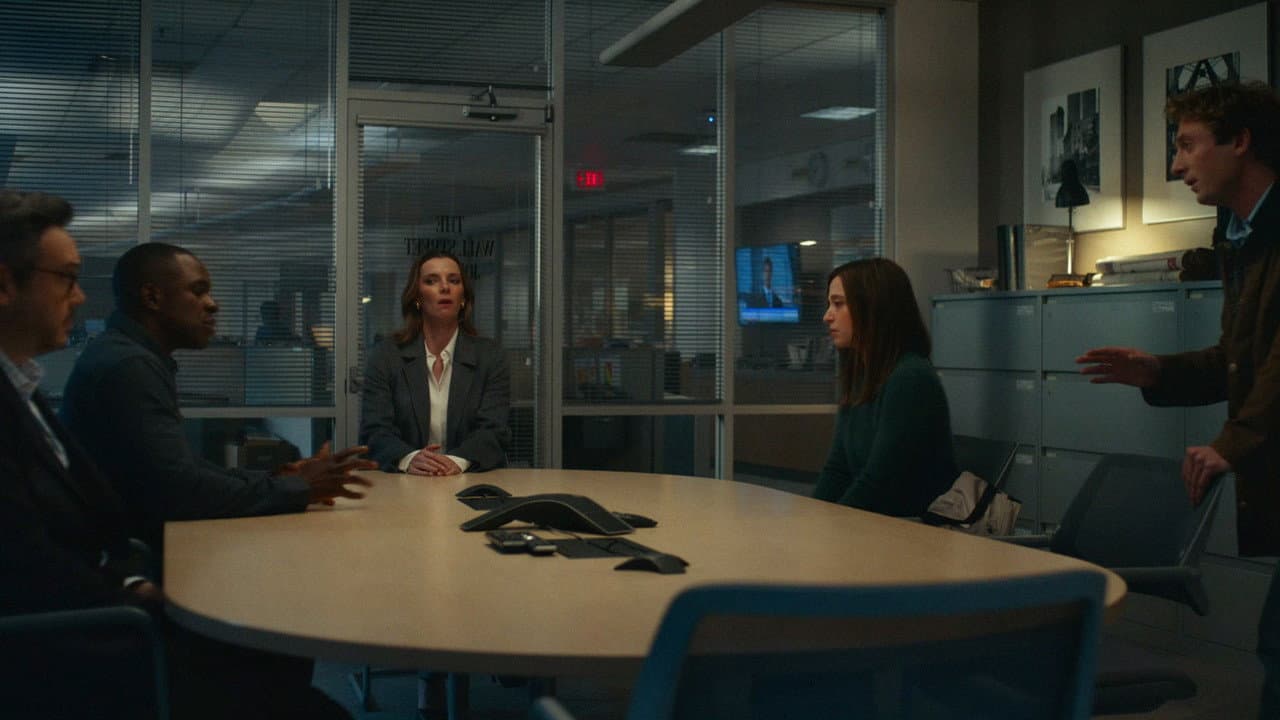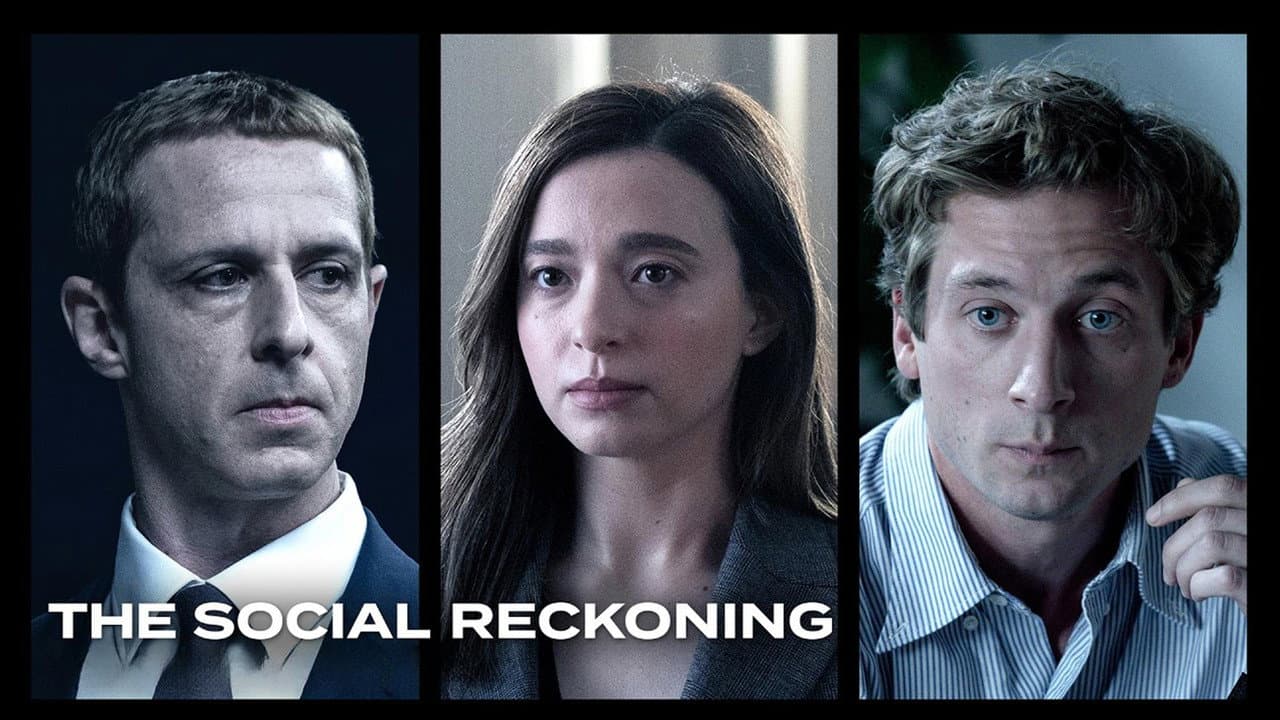


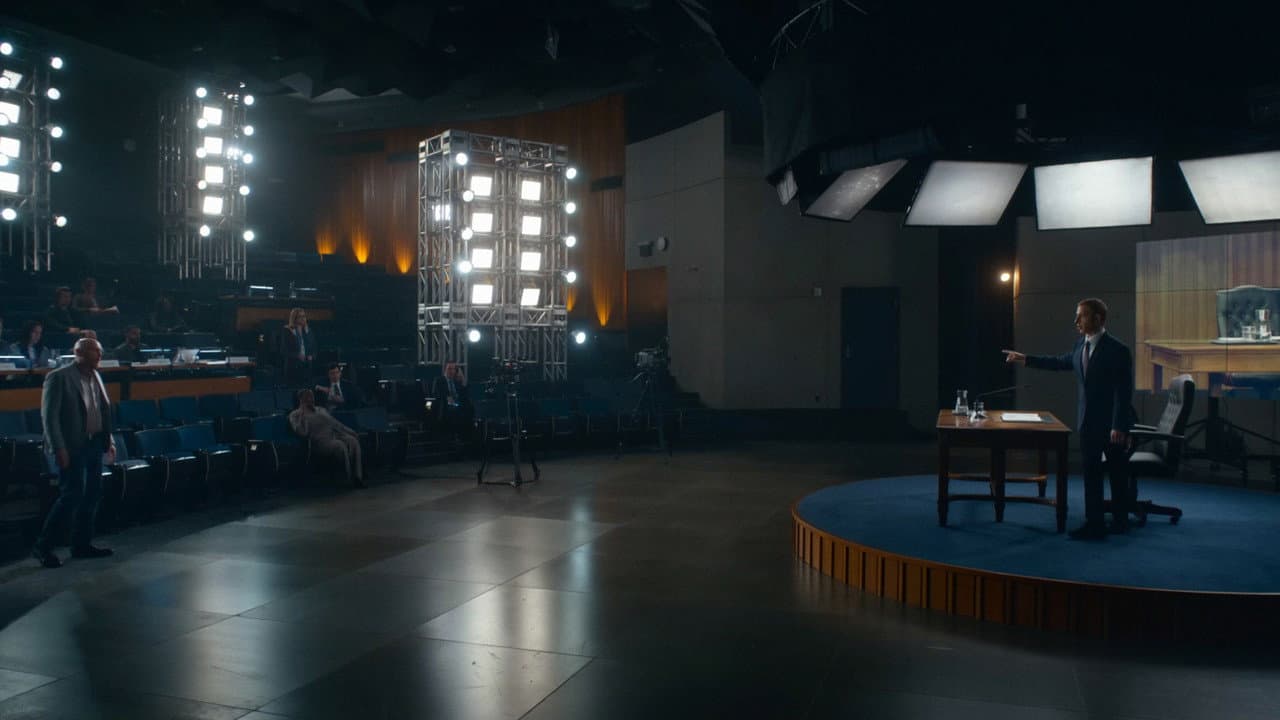
Aaron Sorkin's "The Social Reckoning" arrived in theaters on October 7, 2026, and within two days of release the drama-thriller has already become the most talked-about English-language film on Tamil social media feeds - not because of its box office, but because of the uncomfortable mirror it holds up to the very platforms carrying those conversations. The film stars Mikey Madison as Frances Haugen, the young Facebook engineer whose decision to copy internal documents and hand them to a Wall Street Journal reporter set off one of the most consequential corporate scandals of the decade. Early audience scores are strong, with TMDb users rating the film 7.8 out of 10, and the discourse around it suggests Sorkin has delivered something closer to a thriller than the procedural many expected.
At 112 minutes, "The Social Reckoning" moves with the clipped urgency of a newsroom countdown. The plot follows Haugen as she enlists Jeff Horwitz, played by Jeremy Allen White, to navigate a journey that ends up exposing the social network's most guarded secrets. What could have been a dry retelling of publicly known events instead plays like a two-hander about trust between a source and a journalist, with the machinery of a trillion-dollar company closing in from every direction.
Madison and White Anchor a Tense Two-Hander
Madison, coming off a career-defining run in recent years, plays Haugen not as a crusader but as a systems thinker who slowly realizes the system she helped build cannot be fixed from inside. Her performance leans on quiet precision; the character's resolve hardens in small increments rather than big speeches. White's Horwitz is the necessary counterweight - skeptical, procedural, aware that his source's credibility will be dismantled the moment the story lands.
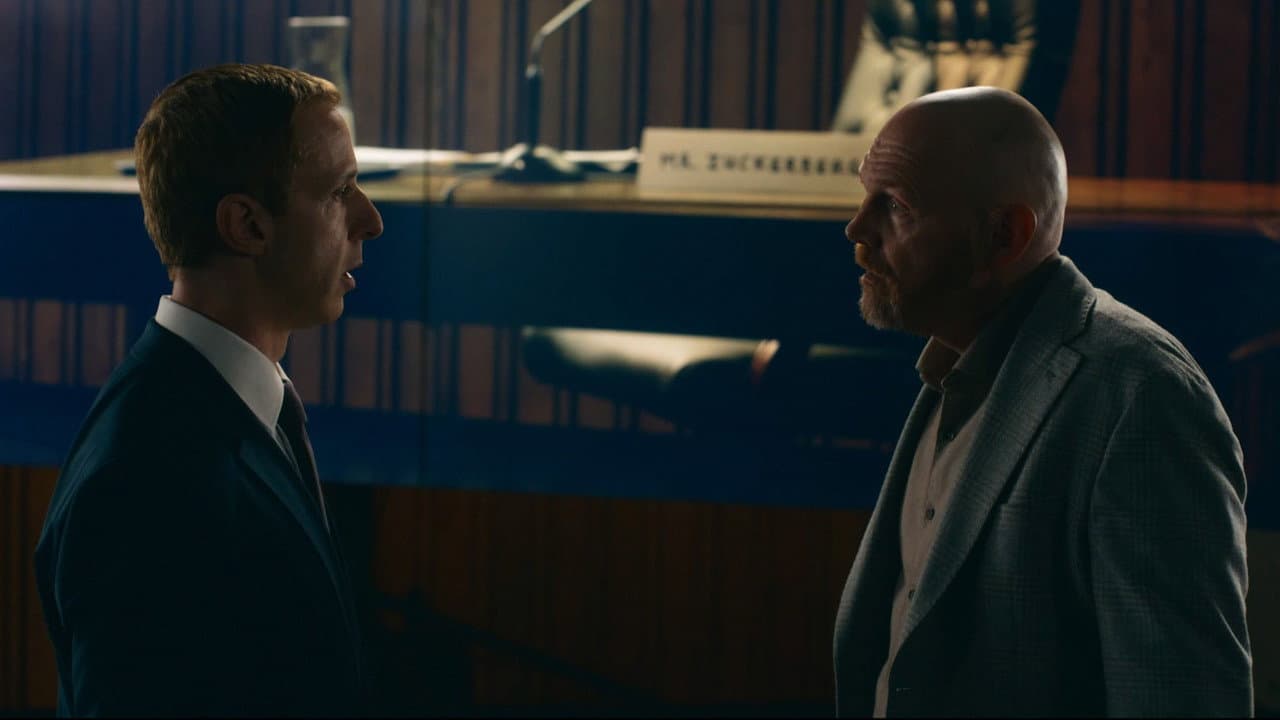
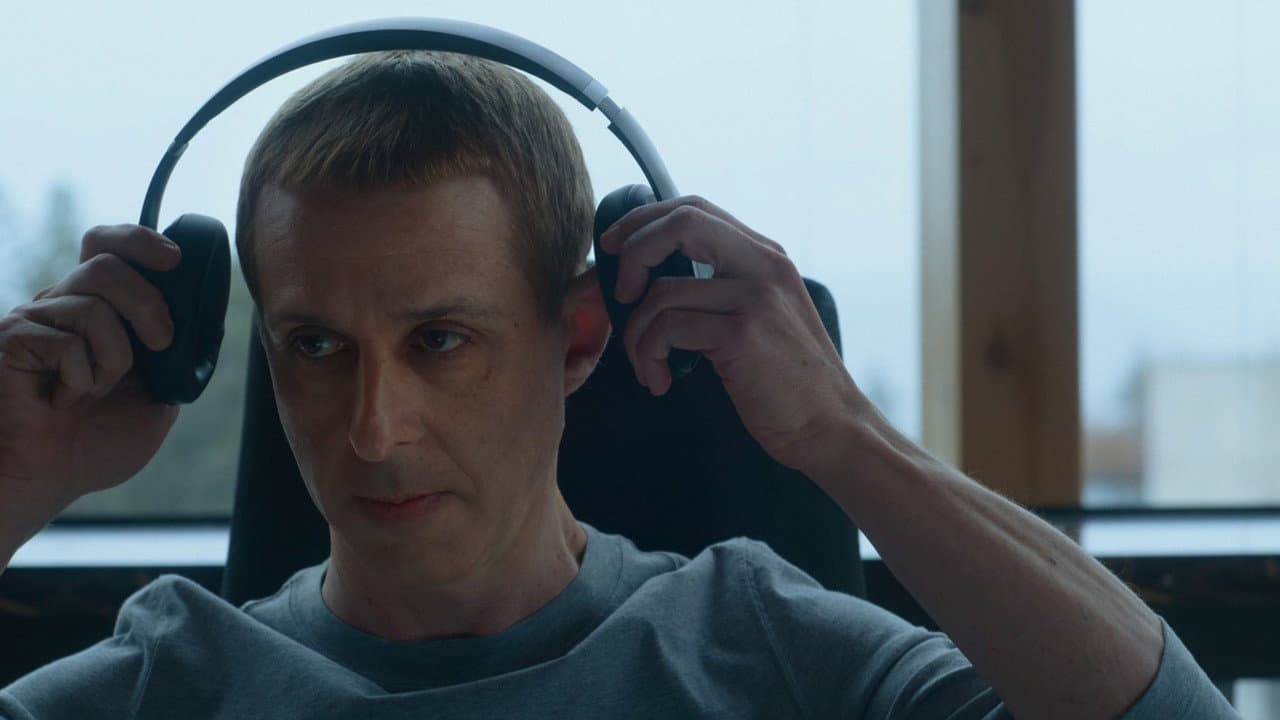
Sorkin regular Jeremy Strong steps into the role of Mark Zuckerberg, and the casting alone has fueled weeks of online speculation. Strong plays the part with a controlled stillness that makes the character's few eruptions land harder. Bill Burr appears as Charlie, Wunmi Mosaku as Raya, Billy Magnussen as Teddy, Betty Gilpin as Kris, and Gbenga Akinnagbe rounds out the ensemble.
For Tamil Audiences, a Familiar Political Question
The film's Tamil title asks a question that translates roughly to: can social media politics really work this way? That question resonates differently in Tamil Nadu, where political messaging, electoral strategy, and public opinion are now fought as much on timelines as on stages. The film's central argument - that a platform's ranking systems can quietly shape what millions of people believe - is likely to spark as much debate among Tamil viewers as it has elsewhere.
In KOLLYWOOD, where dubbed and original English releases compete for the same multiplex screens, "The Social Reckoning" has been positioned as a serious awards-season title rather than a mass entertainer. The genre labels it carries - drama and thriller - understate how much of the film plays like an investigation story, with documents, deadlines, and legal threats replacing chase sequences.
A Whistleblower Story With an Unresolved Aftertaste
What distinguishes the film from a standard issue drama is its refusal to end on triumph. The whistle gets blown, the story gets published, and yet the network at the center of it all keeps running. That ambivalence is the point. Sorkin, working in a register that suits his dialogue-driven style, keeps the focus on process: how leaks are verified, how sources are protected, how institutions absorb scandal and continue.
For audiences in Tamil Nadu and across India who have watched social platforms reshape elections, fan culture, and even film promotion, the parallels are not abstract. The film asks viewers to consider how much of their own political worldview has been assembled by recommendation engines they never chose.
"The Social Reckoning" is running in English in theaters now, with the 112-minute runtime making it an unusually tight sit for a film covering this much ground. Whether it becomes a genuine awards contender or simply a conversation starter, its early reception suggests one thing clearly: the story of how social media shapes society is no longer a niche concern, and audiences are ready to watch it play out on screen.
Source: Filmibeat Tamil