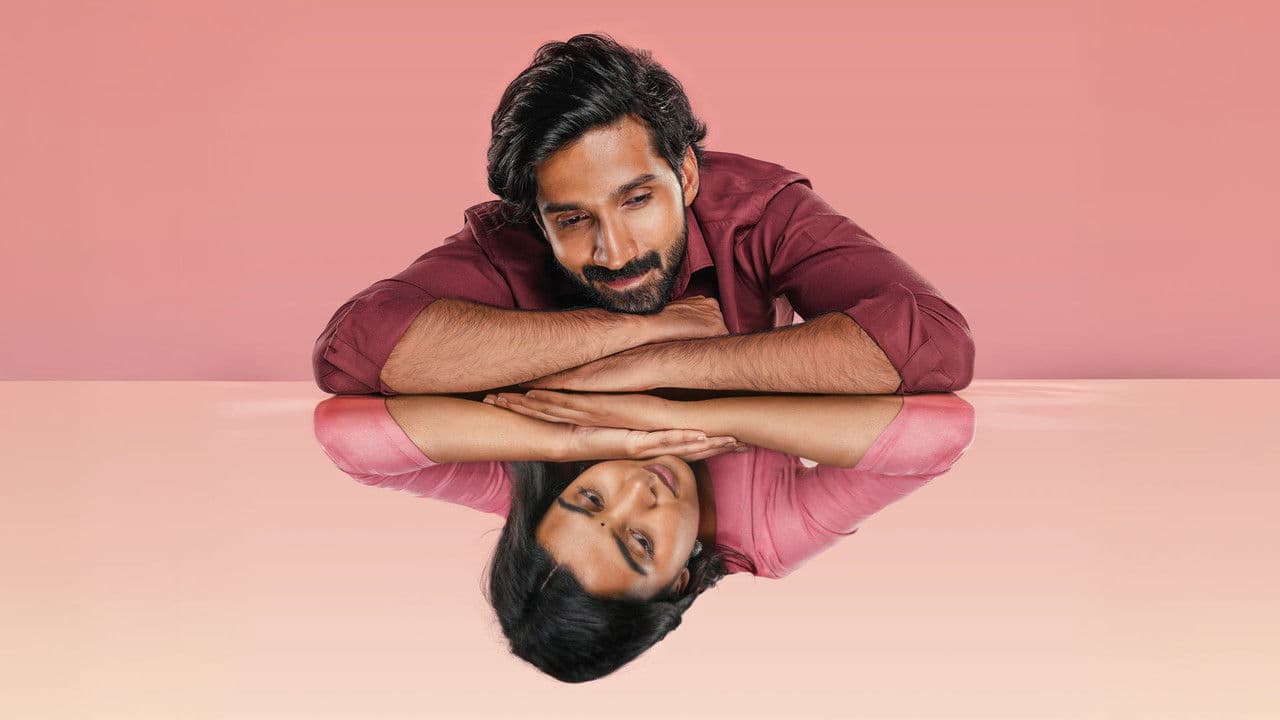
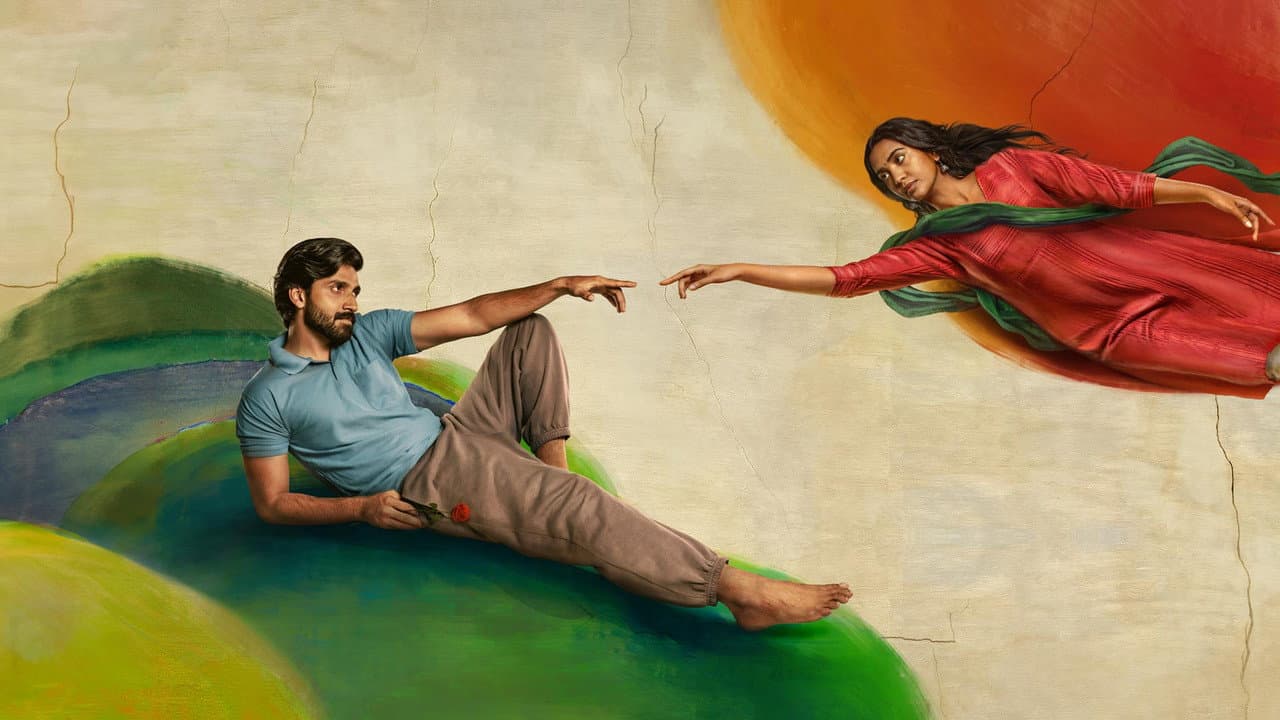
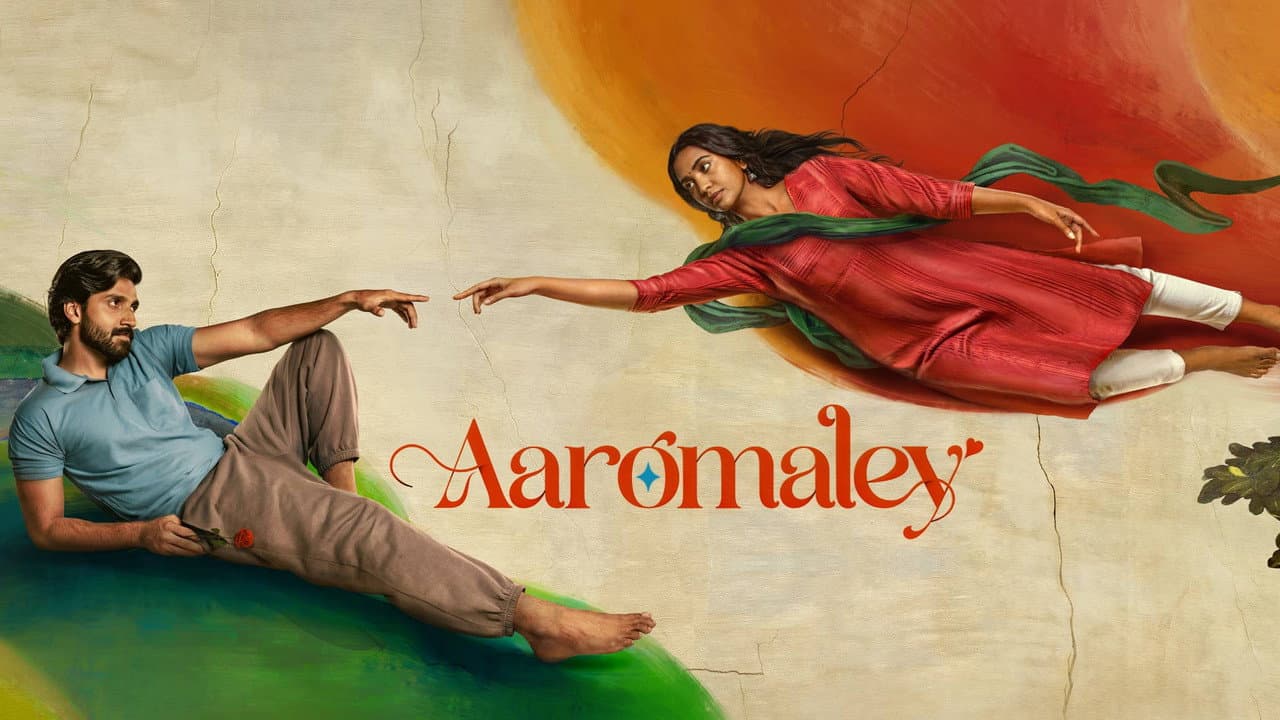
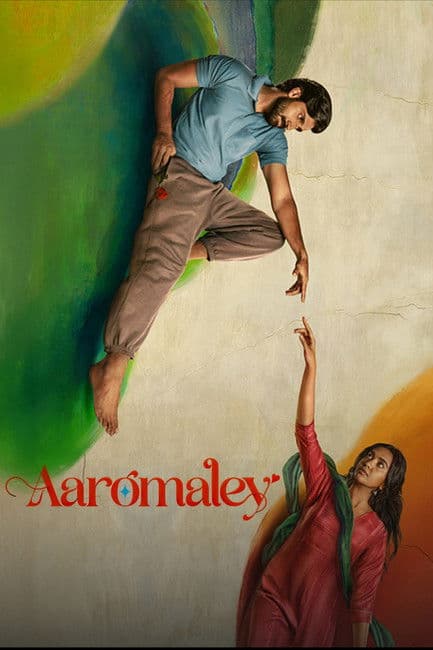
Sarang Thiagu, known for his sharp dialogue and character-driven narratives, brings a breezy yet intelligent touch to "Aaromaley." The film’s biggest strength is its refusal to caricature either protagonist. Ajith isn’t a naive fool-his romanticism stems from genuine belief, not ignorance. Anjali isn’t a cold villain-her pragmatism is a shield, not a flaw. This balance makes their conflicts feel earned rather than manufactured.
Kishen Das delivers his most mature performance yet. He underplays the dreamer archetype, letting his eyes do the talking. A scene where he quietly arranges a surprise for an elderly client without expecting credit shows his range-subtle, warm, never hammy. Shivathmika is a revelation. Her Anjali is sharp and sarcastic but vulnerable around the edges; you see the walls she’s built and why they exist. Their banter crackles. It’s not rapid-fire comedy but the kind of realistic tug-of-war that feels like watching two smart people genuinely misunderstand each other.
The supporting cast elevates the film. VTV Ganesh, as the agency’s eccentric founder Narasimhan, provides comic relief without mugging for the camera. Harshath Khan’s Sachin, a cynical colleague, gets a mini-arc that justifies his screen time. Sandhya Winfred’s Smithy and MV Namritha’s Megha add texture to the office dynamics, though they are lightly sketched. Tulasi, as Ajith’s mother, delivers a heartbreaking scene about her own arranged marriage that reframes the entire film’s argument.
The pacing is brisk at 127 minutes, but the middle act drags slightly during a subplot involving a flamboyant client (Sibi Chakravarthy). The comedy here leans into slapstick that feels at odds with the film’s otherwise grounded tone. The direction, however, compensates with visual storytelling. Notice how the color palette shifts from Ajith’s warm, saturated world to Anjali’s cool, gray-toned office-a clever visual metaphor for their clashing perspectives. The music, an original score by debutant V. R. Prasanna, is unobtrusive but supports emotional beats without overwhelming them.
The writing refuses to "solve" the central conflict too neatly. The resolution doesn’t ask Anjali to suddenly become a poet or Ajith to turn into a corporate robot. Instead, it suggests that love is about accommodating different languages, not merging into one. It’s a mature, refreshing note in a genre that often defaults to dramatic rain-soaked confessions. The film earns its quiet moments, and its humor comes from character, not plot contrivance.