Thaai Kizhavi (2026) - Sivakumar Murugesan’s Tamil Film |
An in-depth feature on Thaai Kizhavi, the 2026 Tamil film directed by Sivakumar Murugesan. Explore its themes, story, and cinematic craft.
Photo: TMDb
The year is 2026, and the landscape of Tamil cinema has already seen its share of experimental dramas, but few have arrived with the quiet, coiled promise of Thaai Kizhavi. It isn’t a film about a grand heist or a high-octane chase. Instead, director Sivakumar Murugesan has trained his lens on something far more volatile: a family reunion forced by mortality, and the ugly, hilarious scramble for inheritance that follows. The film, which hit screens on February 27, has been generating steady word-of-mouth, and with a TMDb rating hovering at a healthy 7.05, it’s clear that audiences are responding to something deeper than a typical family melodrama.
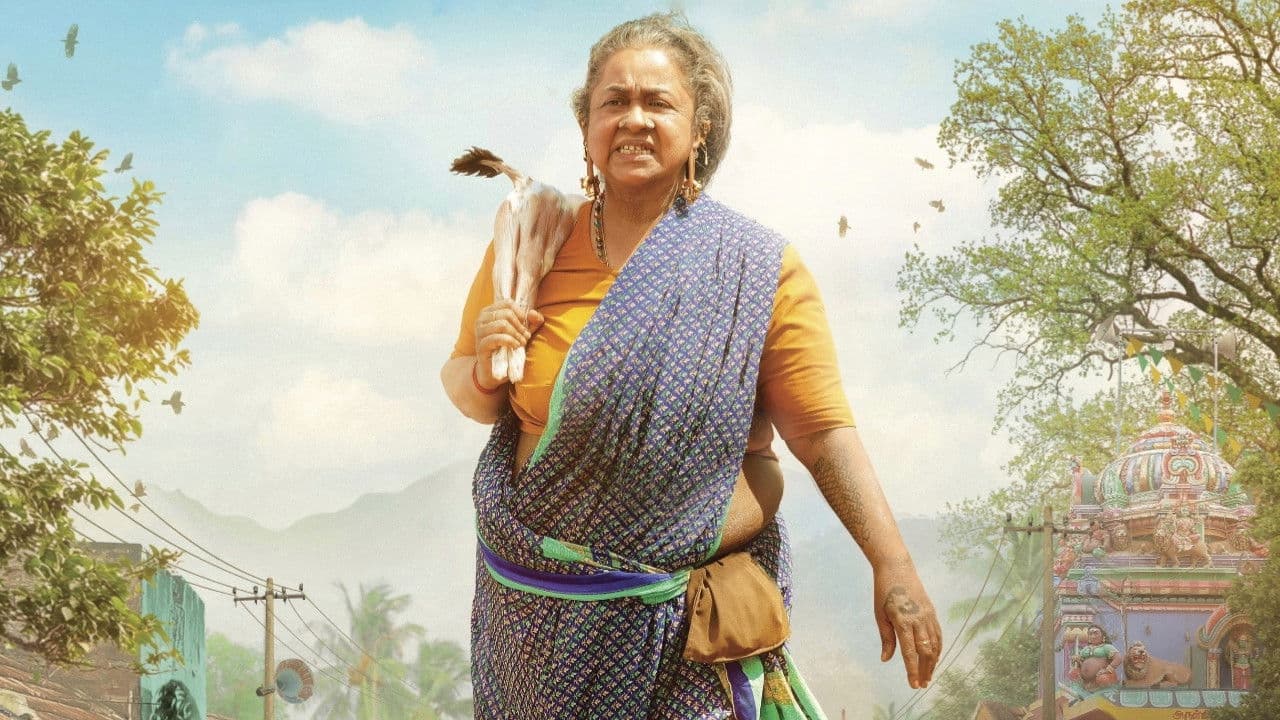
The premise is deceptively simple. Radhika Sarathkumar plays Pavunuthaayi, an elderly and formidable moneylender whose iron grip on her village near Madurai is matched only by the fear she instills in her debtors. When she falls seriously ill, the news acts as a summons. Her estranged sons, who haven’t spoken to her or each other in years, suddenly find their way back to the ancestral home. But this isn’t a reunion born of filial love. It’s a vulture’s gathering. The family drama that unfolds is less about her recovery and more about the vultures circling her wealth, waiting for the moment her breath gives out.
What makes Thaai Kizhavi work so well is its refusal to paint anyone in pure black or white. Sarathkumar, returning to a role that feels tailor-made for her formidable screen presence, delivers a performance that is both terrifying and heartbreakingly vulnerable. Pavunuthaayi is not a victim; she is a woman who spent a lifetime building walls of intimidation, only to realize in her weakest moment that those walls kept out everyone, including her own blood. The film captures this duality beautifully. You see the glint of malice in her eye when she recognizes her son’s fake concern, but you also see the flicker of a mother who just wants someone to sit by her bedside without checking their watch.
The ensemble cast is a masterclass in character acting. Singampuli, as Uppuliyaan, provides a grounded, slightly weary counterpoint to the chaos, while Aruldoss and Balasaravanan portray the two sons, Vijayan and Selvam, with a pitch-perfect blend of feigned grief and desperate greed. Their passive-aggressive squabbles over medical bills and property papers are painfully realistic. Then there’s the comic relief, which isn’t just tacked on but woven into the fabric of the tension. Munishkanth as Pennycuick and Muthukumar as Rendu Idly deliver moments of levity that feel organic to the village setting, as if they’re old neighbors dropping by to gawk at the drama. Raichal Rabecca Philip’s Suruli and Ilavarasu’s Gold Kumar round out a cast that never misses a beat, each character adding a new layer of hypocrisy or hidden motive to the simmering cauldron.
Murugesan’s direction deserves special mention for how he balances the tonal shift between comedy and drama. At 144 minutes, the runtime is substantial, but it never drags. He allows scenes to breathe, letting the awkward silences at the dinner table speak louder than any dialogue. The humor is dry, often born from the sheer absurdity of the situation - grown men arguing over who will foot the bill for a doctor’s visit while their mother lies groaning in the next room. It’s a distinctly Tamil form of satire, one that feels rooted in the cultural reality of family hierarchy, property disputes, and the peculiar way love is often expressed through resentment.
But beneath the laughter and the bickering lies a poignant core. The film asks a question that lingers long after the credits roll: when a parent becomes a burden, what is the true cost of their care? Without spoiling the narrative’s twists, the film suggests that Pavunuthaayi’s illness is not just a medical condition but a mirror reflecting the moral decay of her family. Her moneylending past, we come to understand, was perhaps her way of controlling a world that had otherwise left her lonely. The chaos inside the household is a direct consequence of the emotional debts she never collected on.
The technical aspects are solid, with cinematography that captures the dusty, sun-drenched hues of the Madurai hinterland and a background score that enhances the tension without overpowering the dialogue. It’s a film that trusts its audience to read between the lines, to catch the subtle shift in a character’s eyes when they realize the old woman might just outlive their patience.
In a market saturated with formulaic action spectacles, Thaai Kizhavi stands out as a thoughtful, character-driven piece that isn’t afraid to be messy. It’s a comedy that makes you wince, and a drama that makes you laugh. It’s the kind of film that reminds you why you love cinema - not for the spectacle, but for the truth it holds up to the light, ugly and familiar as that truth may be. For those who haven’t yet made the trip to the theatre, this is one family gathering you won’t want to miss.