Nassar: A Career Built on Range in Tamil Cinema
Nassar is a performer whose name recurs in Tamil films that otherwise share nothing. That is not an accident of casting. It is the signature of a working life spent refusing a single register.
Nassar: A Career In Tamil Cinema is best understood through range rather than a signature mode. Some viewers know him only from one phase of his filmography and mistake him for something narrower than he is. Across four decades, the same screen presence that once carried menace has carried authority, warmth, comedy and quiet grief, sometimes inside a single film.
A note on vocabulary for readers following the industry from outside the region. Tamil cinema is broadly split between "hero" vehicles built around one lead and ensemble or character driven work where supporting performers carry much of the emotional weight. Nassar has moved fluidly between both. That is why his name appears in films that otherwise have nothing in common.
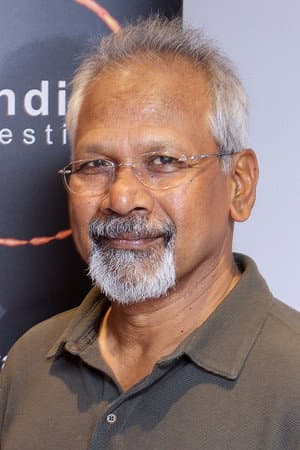
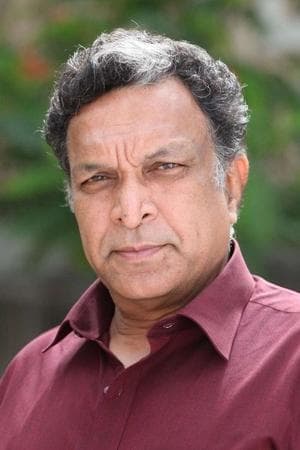
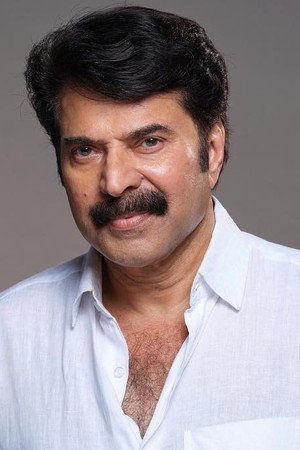 Photo: TMDb
The Throughline: A Performer Who Refuses One Register
Nassar belongs to the small group of Tamil cinema performers whose value lies in versatility rather than a single signature mode. Look across the filmography and the pattern inverts. The same presence that once carried villainy now carries institutional weight, domestic tenderness or wry humour.
This is not a career of scattered parts. It is a deliberate practice of playing the figure who anchors a scene without dominating it. A police officer, a dean, a father, a bureaucrat: each is a variation on the same craft, the ability to make an ordinary authority figure feel specific rather than generic.
His early filmography runs from a secondary supporting turn in Kalyana Agathigal (1985) to villainous roles in Velaikaran (1987) and Vanna Kanavugal. He then played the lead in Kavithai Paada Neramillai, an outlier in a body of work that would largely run through supporting and character parts rather than hero roles.
The turn that changed the trajectory was his performance as a police officer in Mani Ratnam's Nayakan. It is the point at which the industry stopped filing him under "villain" and started treating him as a performer who could carry moral weight. Everything after that reads as a widening of permission, not a reinvention.
The Films and What Each One Adds
Unnal Mudiyum Thambi (1988) casts him as a wine shop owner, a small role sitting inside a much larger drama. Sigaram (1991) gives him a guest appearance, the kind of brief, high impact turn that Tamil cinema reserves for performers whose face alone does narrative work.
Magalir Mattum (1994) places him as Pandian, and Kadhalar Dhinam (1999) as Dean Ramachandra, two roles in which institutional authority becomes personal. Master (2021) casts him as a college founder, a later career example of the same instinct: he is often the figure who represents a system, and then complicates it from inside.
Recent work shows no narrowing. Thug Life (2025) gives him the role of Manikkam, and Retro (2025) the role of Rajavel Mirasu. The 2026 slate is unusually broad. Vishwanath & Sons, in which he plays Ramanadhan, follows a celebrated Olympian shooter who travels to America seeking a donor for his sick child, with an unexpected romance complicating the search. Meesaya Murukku 2, as Seshadri, centres on a young man who learns of his father's struggles and sacrifices and channels that inheritance into a musical career.
Sardar 2, where he is Quartermaster Shekar Dattatri, belongs to the spy thriller mode, following Inspector Vijay against a group called the Black Dagger while the origin of the legendary spy Sardar comes to light. Jana Nayagan casts him as CM Arivudai Nambi, in a story about colliding ideologies and a former police officer drawn back into conflict by a child's fear. Two of these parts sit inside franchise structures, one inside a family drama, one inside a political clash. That spread is the point.
Where He Sits, and Why the Name Matters
The recurring roles fall into recognisable families: guardians and fathers, officers and officials, men who hold institutional power and are tested by it. What changes is the temperature. The police officer in Nayakan and the chief minister in Jana Nayagan are not the same performance, but they draw on the same resource, an ability to suggest a whole interior life behind a formal position.