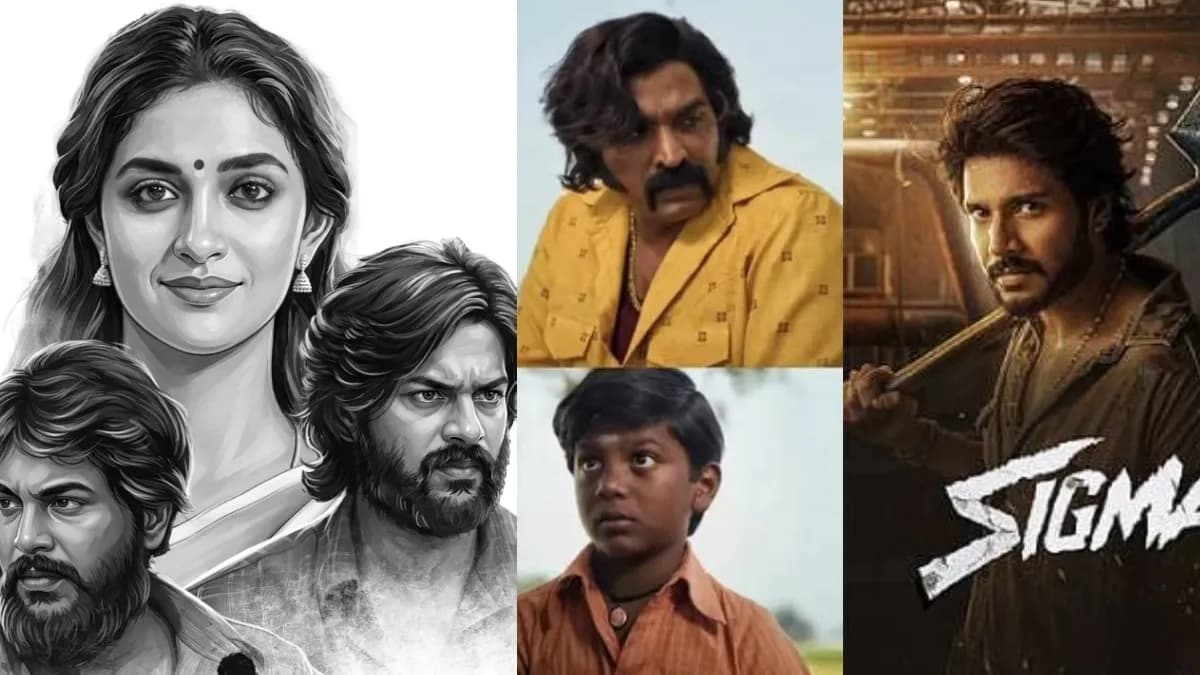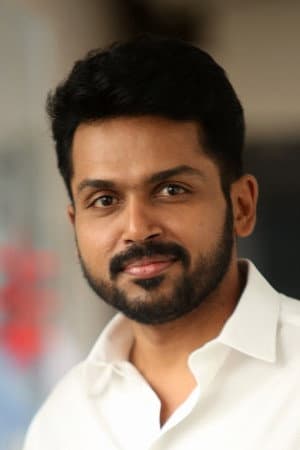
Karthi: A Career In Tamil Cinema is the story of a performer who came to the craft from the workshop floor before he ever stood in front of a lens. He worked as an assistant director to Mani Ratnam on Aayutha Ezhuthu (2004), learning how a shot is planned, how a scene is broken down and how a set actually runs. That apprenticeship ended the moment he stepped in front of the camera. Paruthiveeran (2007), his debut as a lead, turned him into an overnight sensation, and the shape of the career that followed is best understood as a refusal to sit still.
Tamil cinema is a film industry based in Chennai, producing films in the Tamil language. Within it, the reliable leading man usually settles into one register: action, romance, comedy or rural drama. Karthi has cycled through all of them, often within a few years. What connects the work is not a genre but a willingness to disappear into a character rather than repeat a formula.
A Body Of Work Built On Range, Not A Single Register
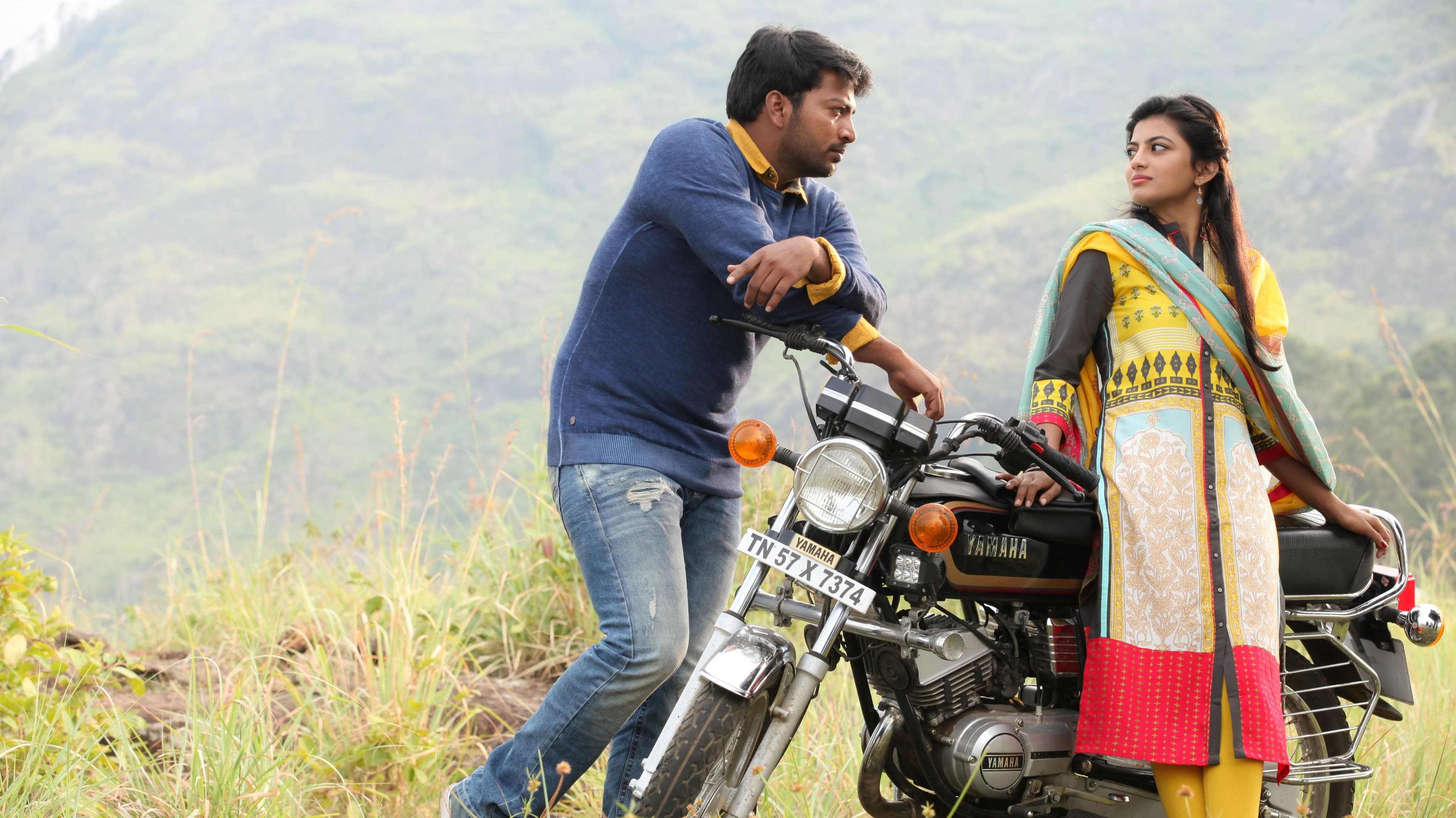
The early run set the template. Paiyaa (2010) and Naan Mahaan Alla (2010) established him as a commercial lead, the kind of presence a producer can build a poster around. Aayirathil Oruvan (2010), in which he played Muthu, pushed him into a more adventurous register, a film that asked for endurance rather than charm. Siruthai (2011) followed, confirming that the industry could build a film around him and expect a return.
What is striking, looking back, is how little those titles resemble one another. The commercial lead of one year became the scrappy traveller of the next. That restlessness is the through line. Karthi has never treated a successful register as a home to settle into, and the result is a filmography that reads less like a ladder than like a set of detours, each one taken deliberately.
There is a practical reason this matters to a reader outside the region. When a performer's name alone signals a certain kind of evening at the cinema, audiences stop needing the plot summary. Karthi's name never quite settled into that convenience, and the trade off has been a body of work with unusual internal variety.
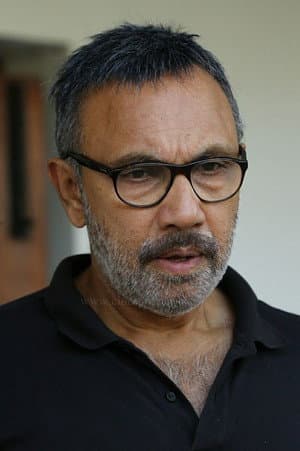
 Photo: TMDb
The Films That Defined Each Phase
A career of this length is easier to read film by film than year by year.
The espionage turn arrived with Sardar (2022), in which Karthi plays Chandra Bose, known as Agent Sardar, and Inspector Vijay Prakash. The plot follows an espionage agent branded a traitor who returns from exile to take down a dubious water project and safeguard the country. Sardar 2 (2026) returns to the same dual role. When the mysterious Black Dagger threatens national security, Inspector Vijay embarks on his most dangerous mission yet, and the film finally reveals the origin of the legendary spy Sardar, along with the sacrifices that forged a legend. The pair shows a performer building a franchise around two roles in one body, a demanding structure in which the two halves must read as distinct people rather than a costume change.
The ensemble epic came with Ponniyin Selvan: Part I (2022) and Ponniyin Selvan: Part II (2023), casting him as Vanthiyathevan in a large-scale historical ensemble drawn from Tamil literature. These films matter less for what they added to his filmography than for what they demanded: holding a distinctive presence inside a crowded canvas rather than carrying the frame alone. An ensemble is a different discipline, and it exposes a performer who cannot share a scene.
Different again is the one-man engine. Theeran Adhigaaram Ondru (2017) places him as Theeran Thirumaran, a police officer at the centre of an investigation. Kaithi (2019) strips things further. Dilli, a convicted criminal, is out on parole to meet his daughter when a drug bust sends him on a mission to save the life of police officers. The film rests almost entirely on his face and body, with minimal dialogue, and it remains the clearest demonstration of what he can do without a crowd around him.