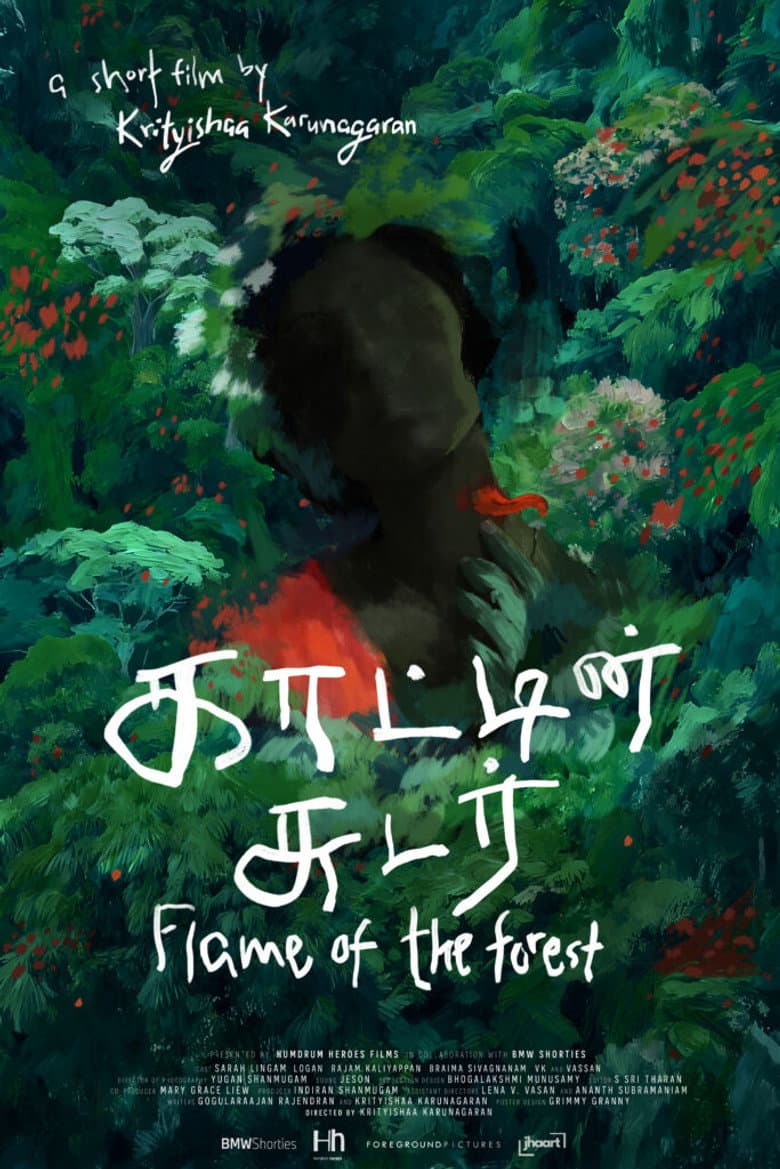
There is a particular kind of quiet that follows a short film long after its final frame - the kind that makes you sit still for a moment before you reach for your phone. Krityishaa Karunagaran's Flame of the Forest appears to be chasing exactly that sensation. Clocking in at just fifteen minutes and arriving in theatres on October 21, this Tamil-language piece looks poised to deliver the sort of compact, emotionally bruising storytelling that the short format does better than almost anything else.
Release Date & Where to Watch
Flame of the Forest lands on October 21, 2026, giving audiences a little over a week from today to plan their viewing. The film runs fifteen minutes - brief enough to slip into a lunch break, substantial enough, if the premise is anything to go by, to linger far longer than its runtime suggests. Given that this is a Tamil-language Kollywood production with a limited theatrical window, screens are likely to be concentrated in urban centres and major multiplexes.
Prospective viewers would be wise to check local listings early rather than assume a wide rollout. Short films in this market tend to appear in curated slots - often bundled with festival programming or playing a limited number of shows per day - so availability may vary considerably from one city to the next. In other words, keep an eye on your preferred theatre chain's schedule rather than waiting for word of mouth to build.
Cast & Crew
The film is directed by Krityishaa Karunagaran, and that name on the poster is the strongest signal we have about what to expect. Directing a fifteen-minute narrative is a discipline in its own right - there is no room for the narrative padding that a feature can absorb, and every scene has to justify its place. Karunagaran is working in a format that rewards precision and punishes indulgence, which makes the project an intriguing test of craft.
Beyond the director, the production has kept its cards close to the chest. The cast has not been publicly announced, and no details about the wider crew have surfaced ahead of release. That anonymity is unusual but not unheard of for a short film with its sights set on a theatrical outing, and it does mean audiences will walk in without the usual shorthand of familiar faces to guide their expectations. Whether that proves to be a liability or a gift - no stars, no preconceptions - will become clear soon enough.
Story & What to Expect
The premise is deceptively simple and considerably darker than it first appears. A young nurse, having stolen a brief taste of freedom, returns home - and is promptly blamed for her grandmother's death. That is the whole of it, at least on paper, and it is more than enough to suggest where the emotional weight will fall.
What stands out is the word "blamed." Not accused, not suspected - blamed, which carries a distinctly familial sting. This sounds less like a legal thriller than a study of guilt and grievance inside a household, the sort of story where the real damage is done around a kitchen table rather than in a courtroom. The setup also raises an uncomfortable question the film seems designed to sit with: what does it mean to be blamed for something you may or may not have caused, by the very people who should be grieving alongside you?
The title itself offers a clue worth noting. The flame of the forest - known in India as the palash tree - blooms in a striking burst of orange and red, often on land that looks barren for most of the year. It is a motif of sudden, fierce life emerging from apparent desolation. Whether Karunagaran intends that as a metaphor for her protagonist's brief taste of freedom or as something more ironic remains to be seen, but it is unlikely to be a coincidence.
Given the fifteen-minute runtime, expect compression over sprawl. There will be little space for subplots or extended backstory; the film will likely drop us into a moment of crisis and trust us to keep up. Short films that work tend to operate on implication, letting a single glance or an unanswered question carry the weight that a feature would spread across three acts. Flame of the Forest seems built for exactly that kind of restraint.
Why It's Worth Watching
Short films rarely get a theatrical release, and when they do, it is usually because someone believes the work can hold a room. That alone makes this one worth a look. Fifteen minutes is a small investment for the chance to see a director working in a format that demands clarity and discipline - and to gauge the instincts of a filmmaker who may well be building toward something larger.
There is also the matter of the story itself. Stories about how families assign blame after a death - who gets cast as responsible, who gets forgiven, who never does - tend to hit close to home for almost anyone who has sat through a tense funeral gathering. The nurse at the centre of this film gets a handful of free hours and then returns to a home that has already decided what she is. That is a potent dramatic engine, and in the right hands, fifteen minutes is plenty of time to make an audience feel it.
With no rating yet recorded and no cast details circulating, Flame of the Forest arrives as something of an unknown quantity. That is not a drawback here. It is an invitation to walk in curious, with no trailer-induced expectations to manage, and to let a compact, sharply focused piece of Tamil-language filmmaking do its work. Come October 21, that fifteen minutes may well be the most quietly devastating quarter-hour in theatres.